
Ever wonder if just living in the moment feels different from setting aside time just to clear your mind? Being mindful means really enjoying everyday moments, like tasting every bite of your favorite meal or feeling the soft warmth of water on your skin. Meanwhile, meditation is all about taking a few dedicated minutes to focus deeply and let your thoughts settle. In this post, we dive into both ways of easing your mind and boosting focus, helping you decide which fits best with your daily flow.
mindfulness vs meditation: Clear Insights Ahead
Mindfulness is all about being in the here and now, noticing your thoughts, feelings, and what’s happening around you without judging anything as good or bad. It’s like feeling the warm splash of water when you wash your hands or really tasting the flavors in your food. In 1994, mindfulness was defined as paying attention on purpose without judgment. You can add this quality to everyday activities to make them more calming.
Meditation, meanwhile, is a more planned and steady routine where you focus your attention on something specific. It usually means sitting in a set position for a certain time and gently guiding your mind to one thought, like your breath. So whether it’s a quick 3-minute breathing break or a longer guided session, you’re setting aside special time to clear away distracting thoughts.
The big difference is that mindfulness fits naturally into your day-to-day life, giving you little breaks of quiet while you do normal things. Meditation, on the other hand, requires you to take time out just for your mind. Often, meditation might even include mindfulness ideas, but it can go further with practices like repeating a calming word, sitting in silent stillness, or doing a body scan. Each of these methods helps bring you to a state of calm and focus.
Imagine you’re out for a walk and you notice the feel of the breeze or the crunch of leaves under your feet. That’s mindfulness at work. Then picture setting a timer to just focus on your breathing for a few minutes, that’s meditation. Both ways have their own unique benefits, letting you find peace in different moments of your day.
Historical Roots of Mindfulness and Meditation
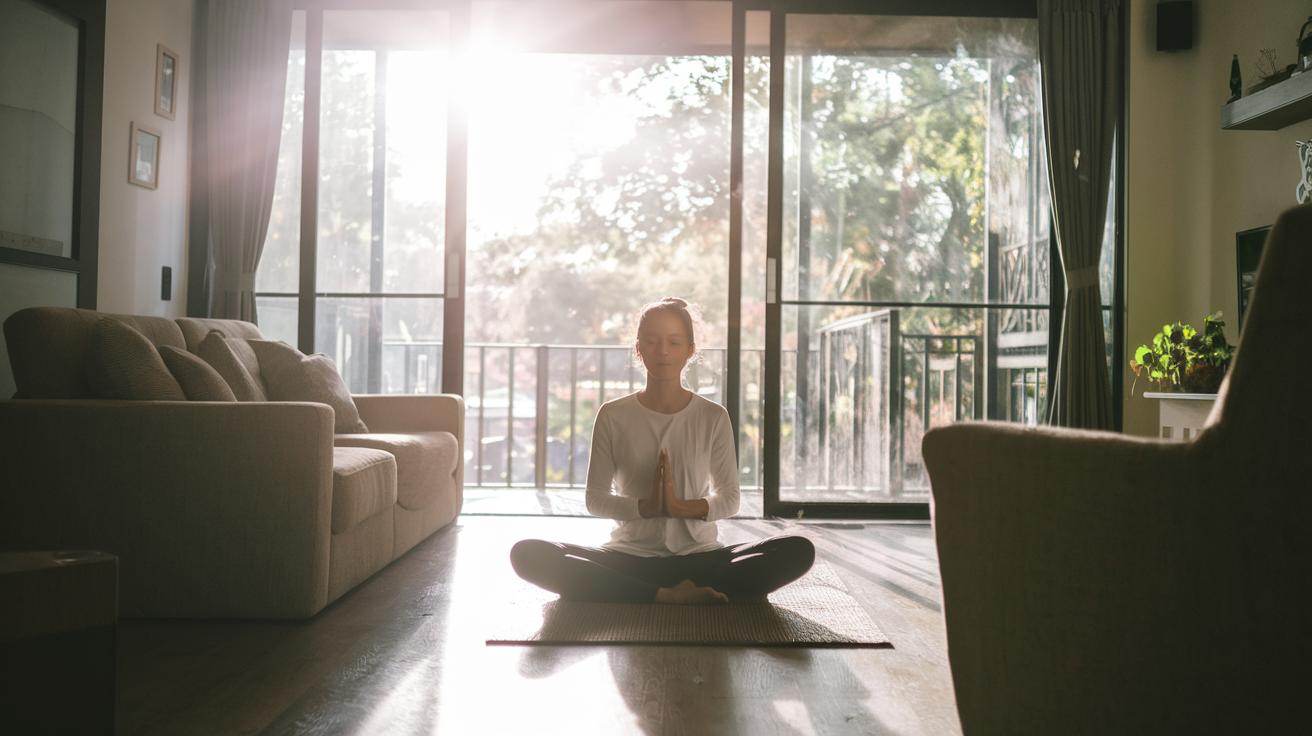
Mindfulness started with Buddhist vipassana practices around the 5th century BCE. Back then, people learned to notice each moment with a calm, steady watchfulness. Over time, these simple techniques spread across Eastern traditions, inspiring many forms of mindful living.
Meditation, in its more formal sense, has roots in both Hindu and Buddhist cultures. Zen meditation, for example, began about the 6th century CE and focused on sitting quietly and deeply concentrating. Then, in the 1950s, Transcendental Meditation became popular by introducing practices like repeating a mantra to help settle the mind.
It’s pretty cool to see how these ancient practices have evolved. Today, Western psychology has embraced mindfulness to help clear our minds and ease stress. This journey from old Eastern wisdom to modern mind-calming techniques shows how something so ancient can still make a big difference in our daily lives.
Practice Approaches: Mindfulness vs Meditation
Mindfulness gives you simple, everyday tricks to sharpen your focus and ease stress. It’s like taking a mini-break during your busy day. For example, you might try a few of these ideas to feel more present:
- Do some gentle stretching as soon as you wake up and really notice how each muscle lengthens.
- Enjoy eating a piece of fruit slowly, so you can pick up on its texture and scent before you take a bite.
- When you’re washing dishes, pay attention to the warm water, the bubbles, and the feel of your hands moving.
- Take a short one-minute pause when you’re waiting. Count your breaths and sink into the little sensations.
- Look closely at your surroundings, maybe the spiral of a leaf on a plant, to invite a calm feeling.
Meditation, on the other hand, is about setting aside special time to relax and clear your mind. Even a few minutes can help boost your focus and keep your emotions in balance. Here are some guided meditation ideas to try out:
- Practice alternate nostril breathing. Breathe slowly through one nostril, then switch, to create a balanced rhythm.
- Go through a progressive muscle relaxation session, tensing and then relaxing different parts of your body.
- Picture a peaceful scene in your mind. Imagine all the details, the colors, sounds, and smells, of that calm place.
- Listen to the sounds around you. Let natural noises gently bring your focus back to the present.
- Repeat a short, calming phrase in your mind. This simple mantra can help steady your thoughts and soothe your inner chatter.
Scientific Benefits of Mindfulness vs Meditation
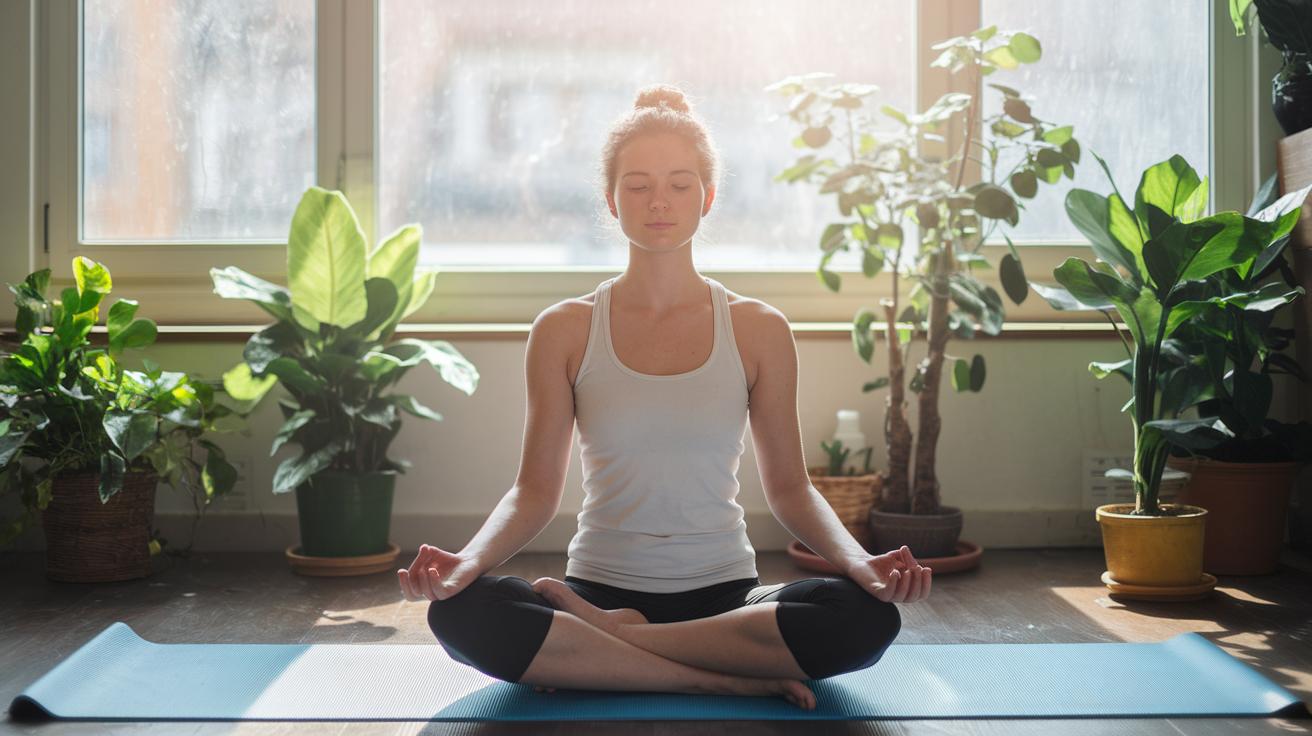
Research tells us that mindfulness and meditation can make a real difference in how you feel every day. These practices help calm your mind, cut down on anxiety, and even boost your sleep quality. They remind you to break free from those autopilot moments and build up self-confidence while keeping emotions in check. By gently training your focus and creating a steady sense of calm, both mindfulness and meditation work together to bring you many of the same awesome benefits. For more details, check out mindful meditation benefits – "https://greenjuicelife.com?p=749".
| Scientific Benefit | Observations |
|---|---|
| Stress reduction | Makes your mind feel calmer and lowers stress |
| Attention control | Helps you stay focused and attentive |
| Emotional regulation | Keeps your mood steady and eases mood swings |
| Decreased mind wandering | Keeps you present and less likely to drift off |
| Better sleep | Helps you unwind and enjoy a more peaceful sleep |
| Increased self-acceptance | Boosts self-worth and personal insight |
| Mood balance | Helps keep your emotions in check |
| Lowered stress markers | Reduces the physical signs of stress in your body |
| Improved cognitive performance | Sharpens your mind for clearer decision-making |
| Enhanced resilience | Makes it easier to handle life’s challenges |
| Reduced depressive symptoms | Lifts feelings of sadness by easing depression |
| Heightened present-moment focus | Improves how well you notice and enjoy each moment |
These practices help you hit the reset button on your daily stress. They give you a moment to step back, catch your breath, and refocus on what really matters. With a clearer mind and a more balanced outlook, you’re better equipped to tackle everyday challenges and enjoy a richer, calmer life. Whether you’re new to these methods or a long-time fan, mindfulness and meditation are great tools to help you stay centered and focused all day long.
Daily Integration of Mindfulness vs Meditation
Studies find even a tiny minute of mindful breathing can actually lower stress hormones when things heat up. I remember someone saying, “Right before a hectic conference call, I took 60 seconds to pause, and my racing heart noticeably calmed down.”
One trick is to swap out your usual habits with cues that match the moment. So before a high-stress meeting, take a minute for deep breathing to clear your head. For instance, one person shared, “Before I stepped on stage for a big presentation, I closed my eyes and focused only on my breath.”
Another idea is to use your sense of touch to stay mindful. Grab a small object like a piece of your desk or a smooth pebble in your pocket. When work gets overwhelming, feeling its cool, smooth surface can really ground you. Someone even said, “When I felt overwhelmed in a busy office, I’d hold a small stone and concentrate solely on its texture.”
You can also lean on wearable technology when stress peaks. If your device tracks stress, use that extra nudge to take a quick micro-break, just a minute or two, to help ease anxiety.
Plus, science has got your back. Research shows that even 1-2 minute sessions of mindful breathing can lower your cortisol levels in high-pressure moments. One athlete mentioned, “A quick session of focused breathing really helped lower my pre-competition stress.”
| Technique | Benefit |
|---|---|
| Context-Specific Breathing | Reduces heart rate before stressful events |
| Tactile Mindfulness | Enhances grounding through physical sensations |
| Wearable Monitoring | Identifies high-stress periods for timely micro-breaks |
| Brief Scientific Sessions | Links short practices with lower cortisol levels |
Advanced Synergy of Mindfulness and Meditation
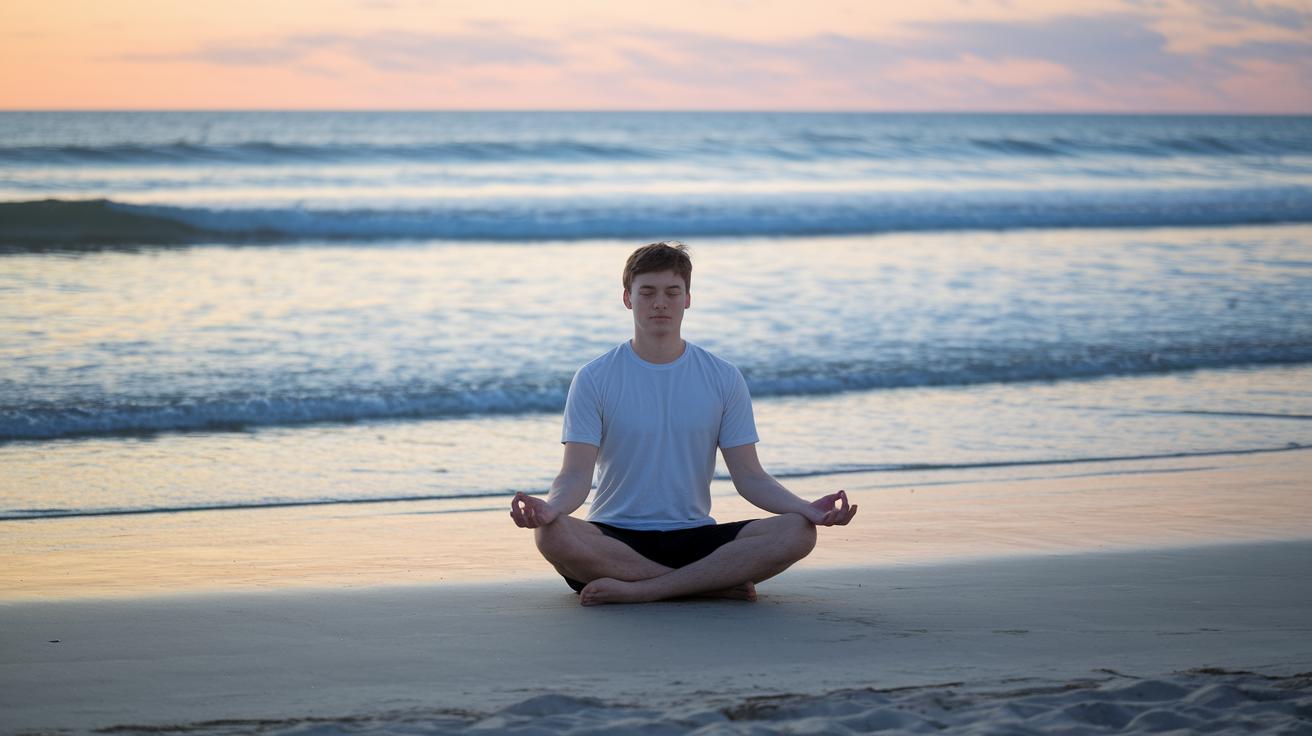
When you blend meditation with mindfulness, you create a special kind of calm that goes beyond basic relaxation. It often begins with noticing your thoughts and feelings, so you slowly shift your focus to a deeper, more centered state.
Take Transcendental Meditation for example. Here, you repeat a simple mantra (a short phrase) to guide your mind into a deep, quiet space. And then you have observational mindfulness, where you simply notice each sensation and thought without trying to change them. There’s also the Zen practice known as shikantaza or "just sitting," where you relax and let your awareness naturally expand, supported by a gentle inner dialogue.
By mixing these techniques, you create a cycle where mindfulness deepens your meditative experience and meditation, in turn, sharpens your everyday awareness. Many people who try combining both say they feel more grounded, with a clearer focus and smoother control over their emotions. This blend nurtures a balanced state of mind that embraces both moments of quiet concentration and thoughtful self-reflection.
Final Words
In the action of exploring core differences, historical roots, practical routines, and advanced blending of mindfulness and meditation, we’ve seen how each practice fits into daily life. We compared mindful moments and meditative sessions while uncovering scientific benefits and real strategies to embrace both methods.
Our look at mindfulness vs meditation reminds us that integrating small, purposeful moments can boost well-being every day. Keep experimenting with these techniques and enjoy every step toward a balanced, energized life.
FAQ
What distinguishes Buddhist, Transcendental, and focused meditation from mindfulness?
Buddhist, Transcendental, and focused meditation use set techniques like mantras or deliberate postures to guide focus, while mindfulness centers on nonjudgmental, present awareness you can apply throughout everyday activities.
What is mindfulness meditation?
Mindfulness meditation blends sitting quietly with turning your attention to the present, noticing thoughts and sensations without judgment. It’s a gentle method to build awareness and calm.
How do mindfulness and meditation differ, and can meditation include mindfulness practices?
Mindfulness means living with present, nonjudgmental attention, while meditation is a structured practice that can include mindfulness techniques. Both boost focus and calm in real life.
What is the difference between mindfulness and awareness?
Mindfulness involves intentional, nonjudgmental attention to the present moment, whereas awareness is a broader state of recognizing inner and outer cues without a set focus.
Can I practice mindfulness without meditating?
Yes, you can practice mindfulness during routine activities like eating, walking, or washing dishes. It’s about being fully present in the moment without needing a formal meditation session.
What are the origins of mindfulness practices?
Mindfulness practices trace back to ancient Buddhist vipassana methods from around the 5th century BCE and have since influenced modern, everyday practices of purposeful, nonjudgmental attention.
What are the 3 C’s of mindfulness?
The 3 C’s of mindfulness typically refer to clarity, calm, and concentration, which help you maintain a steady focus on the present moment.

