
Have you ever felt like stress is holding on a little too tight? Sometimes, taking a moment to breathe mindfully can be exactly what you need. Imagine each slow breath as a soft, rolling wave that eases the tension in your body and mind.
In this post, we dive into simple tips like mindful breathing, guided meditation (that is, focusing on your breath to calm your thoughts), and gentle movement. These easy techniques help you catch stress before it takes over. Focusing on the here and now can turn a jumble of worries into a quiet, calming moment.
So, are you ready to try a fresh and simple way to beat stress?
Essential Mindfulness Practices for Stress Relief
Mindfulness gives you simple tools to create a peaceful pause between your thoughts and your reactions. By focusing on your breath, doing guided meditations, tuning into a body scan, or trying mindful movement, you can stay more present and ease tension both right away and gradually. Mindful meditation is all about being right here, right now, so you can watch your thoughts without judging them. If you’re curious, take a look at “What is mindful meditation” for a quick definition.
Start with breath awareness. Sit quietly for a moment and feel the fresh air going in and out of your lungs. Imagine that each inhale and exhale is a little wave calming your mind. This simple act helps you accept each moment as it comes, making it easier to let go of worries about what happened before or what could come later. For those needing a bit more step-by-step guidance, checking out “How to practice mindfulness” might be a great next move.
Guided meditation is another gem to add to your practice. You might use a recorded voice or an app that gently pulls your focus toward different body parts or sensations. Picture a guided body scan where you slowly move your attention from your toes up to your head. This steady focus not only soothes your muscles but also helps shift your mind away from stress.
Mindful movement adds a fun, physical twist. Whether it’s a gentle yoga flow or a peaceful walking meditation, moving with your breath helps you clear your head. Think about taking a slow walk where you notice each step and sync your breathing with your movement, each step becomes a mini break from stress.
Even a few short minutes a day can make a difference. Many experts suggest starting with a little bit and gradually building up to 20 minutes. This practice can help build your emotional strength and give you practical tools to manage stress both now and in the long run.
Mindful Breathing Exercises for Relaxation
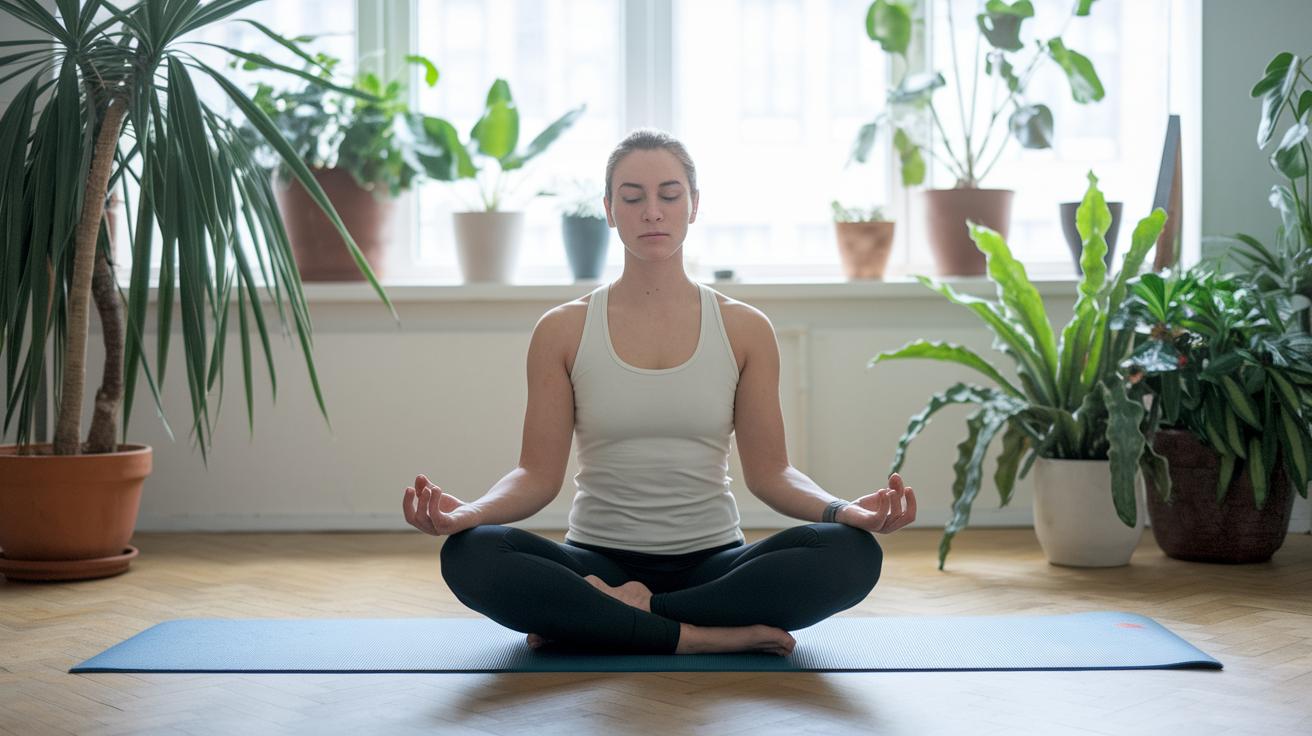
Let’s chat about some simple breathing exercises that help soothe your body and calm that fight-or-flight feeling. First off, try being mindful with your breath. Just notice the natural flow of air you breathe in and out without any judgments. Picture yourself sitting comfortably and feeling each breath, like the gentle push and pull of ocean waves that keep you anchored in the present moment.
Next up is the 4-7-8 breathing technique. Breathe in slowly for 4 counts, hold that breath for 7 counts, and then exhale gently for 8 counts. Imagine yourself in a peaceful spot where every count pulls you deeper into relaxation. It’s like savoring a cozy moment with every breath you take.
Then there’s box breathing. In this method, you breathe in, hold, breathe out, and hold again, each for 4 counts. This steady rhythm gives your mind structure and helps clear out stress when things get hectic. It’s a quick way to press the reset button during your busy day.
After that, try diaphragmatic breathing. This technique uses your diaphragm to take slow, deep breaths that send calming signals all through your body. Think of it as letting your belly move naturally with each inhalation and exhalation, easing away any tension you might be feeling.
Finally, there’s alternate nostril breathing which helps balance the air flow from both sides of your nose. This method brings a sense of harmony and focus, almost like tuning your body so every part can work together smoothly. Have you ever felt that gentle shift towards balance after trying a new breathing trick?
Meditation Techniques to Reduce Stress
Have you ever tried mindfulness meditation? It's a simple way to let go of stress. Focus on your breathing and notice how your body feels, without judging anything. Even just five minutes can calm your thoughts, kind of like a quiet lake after a gentle rain.
Music meditation is another soothing practice. Imagine listening to soft instrumental tunes or the chirping of birds at sunrise. Each sound acts like a gentle reminder to relax and center yourself, making it easier to push away those racing thoughts.
Body scan meditation helps you check in with how your body feels. Whether you're lying down or sitting, slowly move your attention from your feet up to your head. Think of it like running your fingers over a soft fabric, feeling every bit before moving on. This way, you can spot any areas that feel tense or relaxed.
Mantra meditation uses the power of repeating a calming phrase to help keep your focus. For example, silently saying "I am at peace" can set a steady rhythm that drowns out distracting thoughts. It's a gentle tool to use when your emotions are running high or your mind is too busy.
Walking meditation mixes movement with mindfulness. As you take slow, careful steps, notice the lift and fall of each foot. An ordinary walk turns into a chance to replace stress with calm awareness. And then there's loving-kindness meditation, where you send warm good wishes to yourself and others. This can ease emotional strain and help you handle tension with more compassion.
Each of these techniques offers its own way to bring balance into your day, whether you’re easing physical tension, quieting your mind, or soothing emotional stress, there's a mindful path waiting for you.
Integrating Mindfulness into Daily Routines for Stress Management
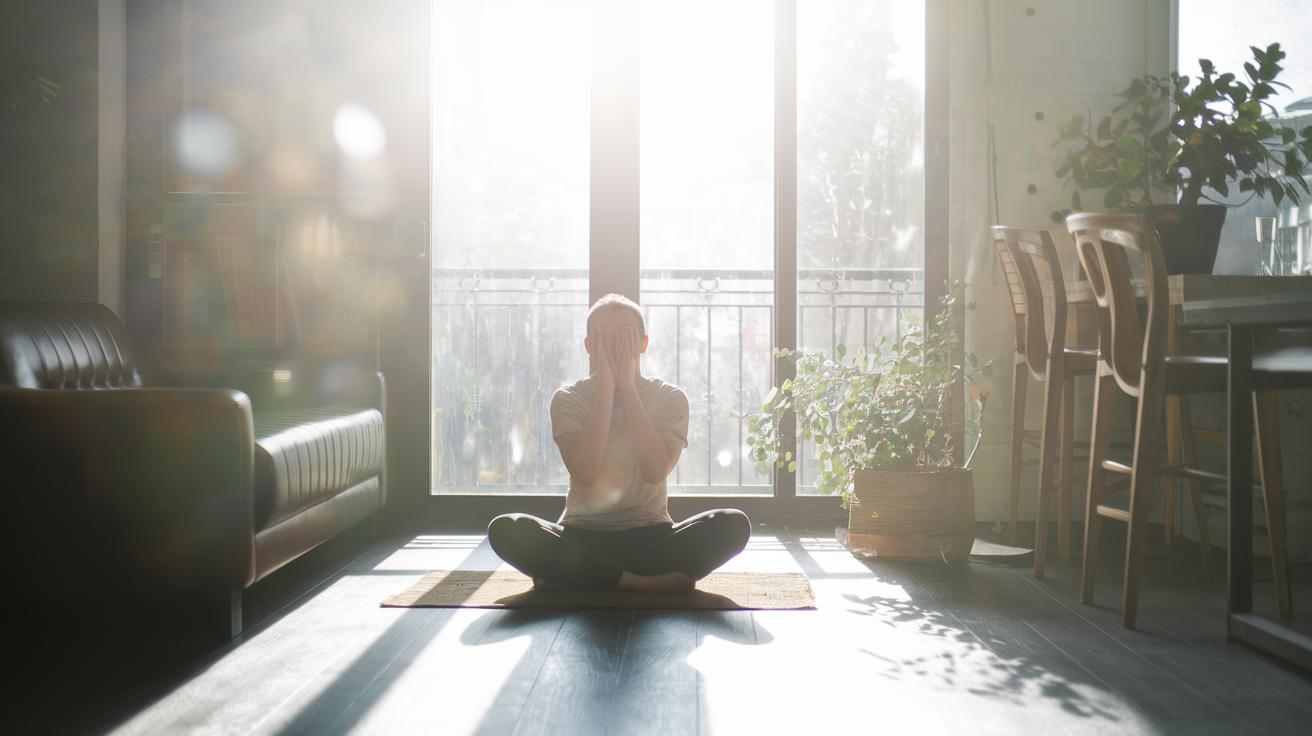
Start your day by taking a quiet moment for yourself. Try a simple three-step mindfulness exercise: first, notice your thoughts; next, name the feeling you’re sensing; then, gently guide your focus back to your breath. Imagine sitting for a minute as the morning light spills in, giving you a calm start.
At midday, pause for a few moments. Take three minutes to breathe deeply and break the cycle of stress. Picture yourself at your desk, closing your eyes for a quiet, deep breath that resets your energy before you dive back into work.
When you’re on a work break, try the S.T.O.P. method. Stop what you’re doing, take a soothing breath, check in with how your body and mind feel, and then continue with a clearer head. It might only take a minute, but that pause can make all the difference in feeling grounded.
In the evening, allow yourself time to unwind. A brief guided body scan or some gentle music can help you shift from a busy day to a peaceful night. These small, mindful rituals ease your transition into rest and can help wash away daily stress.
| Time of Day | Mindfulness Practice |
|---|---|
| Morning Check-In | 3-Step Mindfulness Exercise |
| Midday Pause | 3-Minute Breathing Space |
| Work Break | S.T.O.P. Practice |
| Bedtime Wind-Down | Guided Body Scan or Mindful Listening |
Evidence-Based Benefits of Mindfulness Practices for Stress Relief
Research shows that practicing mindfulness not only soothes your mind but also makes a real difference in your body. When you get into a regular habit of being mindful, your brain starts working in ways that help you manage your feelings better. For example, studies suggest that mindfulness can trigger signals through the vagus nerve, a nerve that helps control vital body functions, to calm your body down. This makes mindfulness a smart and soothing way to ease tension and promote relaxation.
| Study Description | Outcome |
|---|---|
| University XYZ; 60 adults with chronic stress | 30% drop in cortisol levels after 8 weeks |
| Hospital ABC; 50 nurses | 25% improvement in sleep quality and 40% less reported tension |
| College DEF; 80 students | 20% decrease in anxiety scores after daily 10-minute body scans |
These results back up the idea that mindfulness can be a helpful tool in cutting down stress. Simple practices like quick body scans or short meditation sessions do more than just clear your head, they actually lower stress hormones like cortisol. This not only helps you sleep better but also makes you feel less tense overall.
If you're curious to learn more, take a look at “Mindful meditation benefits” for further insights on how these mindful practices can ease stress. Maybe it's time to try integrating mindfulness into your day, it might be the extra boost your routine needs to bring lasting calm and a happier, healthier life.
Quick On-Demand Mindfulness Practices for Stress Reduction
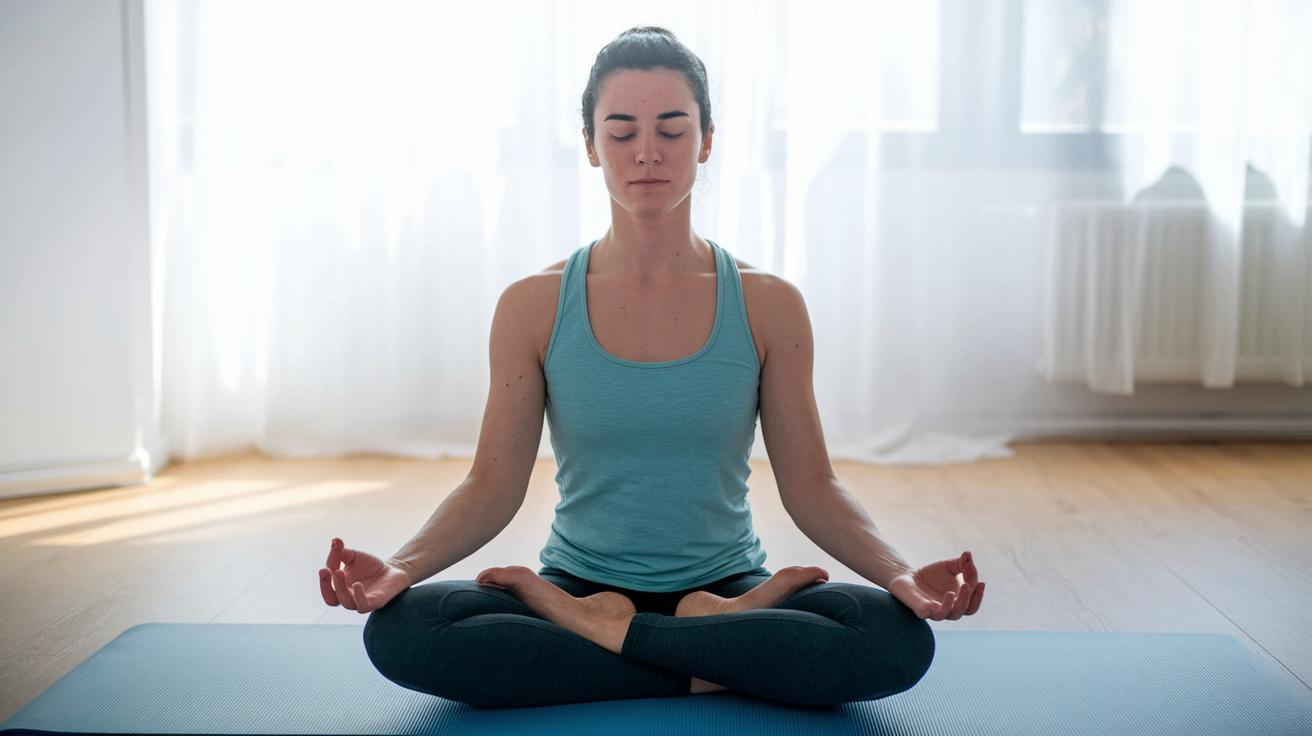
Ever feel your stress spike when you're caught in heavy traffic or moments before an important meeting? Try these quick mindfulness tricks that help calm you right away.
• Two-minute S.T.O.P
Take a brief pause, breathe deeply, and check in with your feelings. Imagine you’re getting ready for a tough call and you carve out two minutes to clear your mind and feel centered.
• Three-minute Breath Focus
Sit comfortably and simply tune into your breathing. Picture yourself in a hectic moment, using each calm breath to ground your thoughts and steady your heart.
• Seated Body Scan
Sit down and slowly shift your focus from your feet up through your body. Imagine running a quick self-check, noticing any tight spots, and letting them relax away.
These easy practices slip right into even the busiest day, helping you break the cycle of stress and embrace a moment of calm.
Mindful Movement and Body Scan Practices for Stress Relief
We all know about standard body scans, but here's a new twist. Try taking a little extra time on any spot that feels tight. Imagine softly scanning your lower back, then pausing to take a slow, deep breath. Picture cool air easing in and warm air gently pushing the stress out. Studies even hint that these small tweaks might help lower stress hormones and clear your mind.
Next, why not add a small mindful pause between each segment of your scan? Instead of moving in one continuous motion, you could take a slow step or shift your posture for just a few seconds. These tiny movements serve as a reset, heightening your body awareness and sending calming signals to your brain.
- Variation: After checking in with your legs, stop for a centered breathing exercise to dive deeper into relaxation.
- Variation: Pause mid-scan, stand up slowly, notice the change in your posture, then settle back into your position.
These simple adjustments put a fresh spin on your practice and strengthen the connection between your body and mind.
Final Words
In the action, we covered a range of core practices, from mindful breathing and guided meditation to micro-breaks that fit easily into your daily routine. Each method shows how simple techniques can help you ease tension and boost relaxation. We broke down how step-by-step exercises and mindful movement make it easier to manage stress and enjoy calm moments throughout your day. When you weave mindfulness practices for stress into your tasks, every small effort adds up to an uplifting boost in overall wellness.
FAQ
What does mindfulness meditation mean?
Mindfulness meditation means focusing on the present moment with an open heart, paying attention to your breath and body sensations, which helps calm the mind and reduce stress.
Where can I find mindfulness techniques for stress in PDF format?
Mindfulness techniques for stress in PDF format provide step-by-step guides on relaxation practices such as mindful breathing and body scans. These resources are available on wellness websites and mindfulness hubs.
How do mindfulness practices help with anxiety and stress?
Mindfulness helps with anxiety and stress by anchoring your attention in the present moment. This focus reduces racing thoughts, eases tension, and builds self-awareness for a calmer state of mind.
What are some mindfulness exercises for adults?
Adults can try exercises like mindful breathing, body scans, and gentle movement practices such as walking meditation. These practices help ease tension and support a balanced, relaxed state.
What are the key frameworks and basics in mindfulness practice like the 5 basics, 5 R’s, and 3 C’s?
The basics of mindfulness include focused attention and non-judgment. The 5 R’s involve recognizing, reflecting, responding, regulating, and reframing, while the 3 C’s focus on being calm, centered, and compassionate.
What does mindfulness research say about stress?
Research shows that regular mindfulness practice lowers cortisol levels, improves sleep quality, and boosts emotional regulation. Studies support its role in reducing overall stress and enhancing mental clarity.
What meditation techniques relieve stress and anxiety?
Techniques such as mindful meditation, mantra repetition, body scans, and walking meditation relieve stress and anxiety by calming the mind and promoting physical relaxation.

