Research
Push Pull Legs Warm Up and Prehab Exercises Prevent Injury
By fitness
November 16, 2026
Field Notes

Think warm-ups are optional? That’s how most nagging gym aches begin.
A short, targeted 5–15 minute push, pull, legs warm-up plus a few prehab moves wakes up the right muscles, fixes weak links, and helps you load the bar safely.
This post lays out simple, session-ready routines for push, pull, and leg days, including cardio, mobility, activation, and the essential ramp sets.
Do them consistently and you’ll lower injury risk, move better, and keep training week after week.
The 5–15 Minute PPL Warm-Up Plan at a Glance
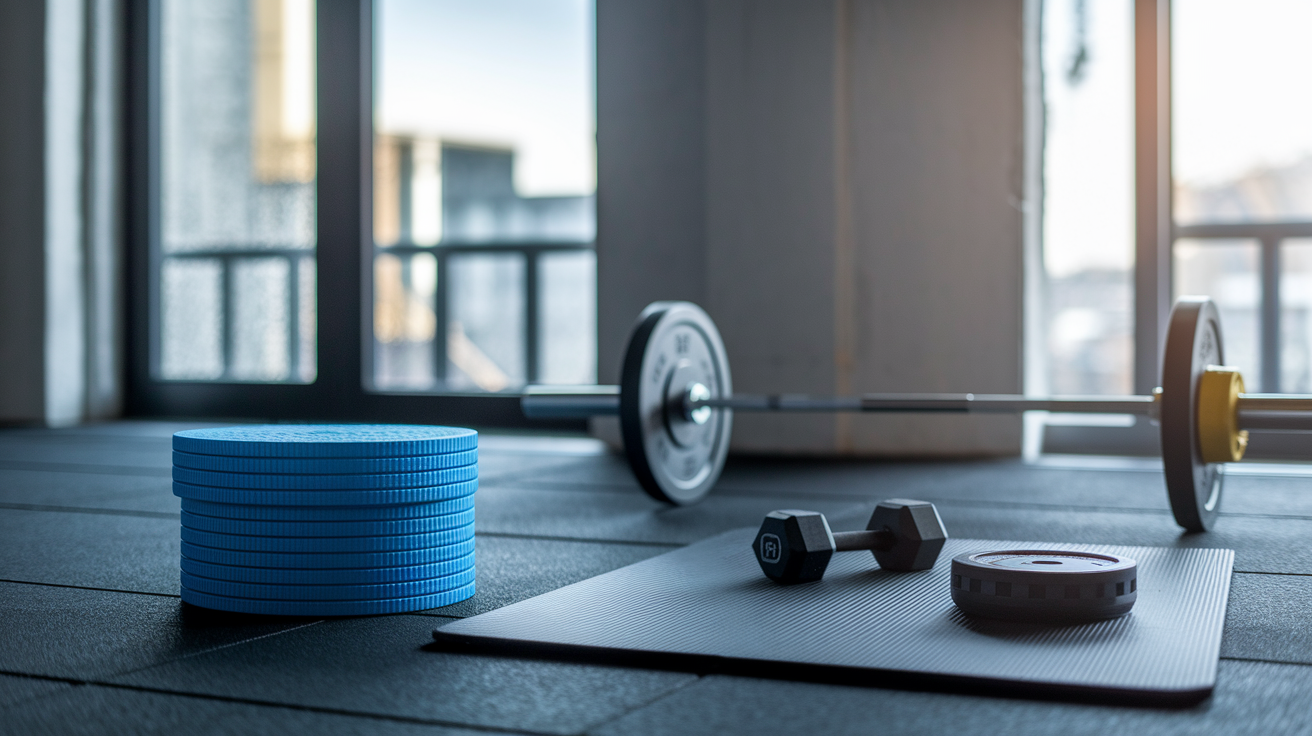
A dynamic warm-up is active movement that raises your body temperature and takes your joints through the range you’re about to use. Prehab (short for prehabilitation) is targeted activation work for a specific weak link, like a cranky shoulder or a knee that never quite feels stable. Neither one guarantees you’ll never get hurt. But done right, both improve how well your body moves, controls load, and handles the work ahead.
The table below gives you compact, session ready defaults for push, pull, and leg day. Think of it as a starting point, not a full tutorial. For exact technique cues, substitutions, and day specific adjustments, head to the detailed section further down for whichever day you’re training.
| PPL Day | 5–15 Minute Default Sequence | Sets/Reps | Primary Areas | Equipment |
|---|---|---|---|---|
| Push | Light cardio, arm circles (15s forward/15s reverse), band external rotations, scapular push-ups, inchworms (8–10 reps), pressing ramp sets | 2 sets x 10–15 per movement | Chest, shoulders, triceps, rotator cuff, scapula | Light band, bodyweight |
| Pull | Light cardio, arm circles, band rows or face pulls, active hang, band pullover, row or deadlift ramp sets | 2–3 sets x 12–15 per movement | Lats, traps, rhomboids, posterior delts, grip | Band, pull-up bar (optional) |
| Legs | High knees or butt kicks (20 reps/leg), leg swings (10/leg), walking lunges (10/leg), glute bridges, bodyweight squats, squat or deadlift ramp sets | 2–3 sets x 12–20 per movement | Glutes, quads, hamstrings, hips, ankles | Bodyweight, mini-band (optional) |
Short on time? Go with the 5 minute version: just cardio, two or three drills, and one light ramp set. For most sessions, 8 to 12 minutes hits the sweet spot. And if you’re dealing with a known weak link, a shoulder that bugs you, a hamstring you’ve tweaked before, stretch it to 12 to 15 minutes and fold in a couple of extra prehab moves.
One thing stays non negotiable across every version: the movement specific ramp sets leading into your main lift. Everything else, the extra mobility work, the targeted prehab, gets added based on what you actually need. Not just because it’s on a list somewhere.
Why Push Pull Legs Training Requires Targeted Warm-Up and Prehab Work
(((alt-img2)))
Pressing and pulling don’t ask the same things of your body, and that’s exactly why a one size fits all warm-up falls short. Push day needs shoulder rotation, solid scapular control, and a stable upper back to support the bar path. Pull day flips that demand. Your shoulder blades need to retract and depress, your lats need to switch on, and your grip needs a little rehearsal before you’re hanging bodyweight (or more) off a bar. If your pull day starts with a hinge movement like deadlifts, your hips need attention too.
Leg day is its own animal entirely. Squatting and hinging patterns lean heavily on hip mobility, ankle dorsiflexion (how well your shin can move forward over your foot), knee tracking, and posterior chain strength. Think glutes and hamstrings firing when you need them to. Add in balance and core bracing, and you’ve got a warm-up checklist that looks nothing like what push day needs.
Here’s where a lot of lifters get it wrong: holding a static stretch for 30 plus seconds right before a heavy set. Long static holds can temporarily reduce force output, which is the last thing you want before a working set. Dynamic movement, the kind that raises temperature and range of motion without draining you, works better as a lead-in. Watch for warning signs along the way, nagging soreness, a joint that won’t move through its normal range, sloppy control during warm-up reps, jumping straight to heavy weight, or skipping ramp sets altogether. These tend to show up again and again if ignored.
So here’s the sequence this article builds from, every single day. Raise your temperature, mobilize the joints you’re about to use, activate the stabilizers that support them, rehearse the actual movement pattern, then load up gradually.
Push Day Warm-Up and Shoulder Prehab Exercises
(((alt-img3)))
Use this sequence before chest, shoulder, or triceps focused training. Keep the resistance light throughout, this isn’t the place to chase a pump. The numbered list below is your complete protocol, order, dosage, equipment, target muscles, and cues all in one place.
-
Light cardio. 60 to 90 seconds on a bike, rower, or just brisk walking. No equipment needed. Targets general circulation and raises core temperature. Cue: keep effort conversational, you’re not training yet.
-
Arm circles. 15 seconds forward, 15 seconds reverse. No equipment. Targets shoulder joint and surrounding tissue. Cue: start small and let the circles grow gradually, don’t force full range immediately.
-
Band external rotations. 2 sets of 10 to 15 per arm. Light resistance band. Targets rotator cuff, specifically the infraspinatus and teres minor. Cue: keep your elbow pinned to your side the whole rep.
-
Scapular push-ups. 2 sets of 8 to 15 reps. Bodyweight. Targets serratus anterior and scapular control. Cue: push the floor away at
Final Words
Start sessions with 60–90 seconds of easy movement, then follow with mobility, activation, and movement-specific ramp sets. This post gave three compact 5–15 minute PPL defaults and clear push, pull, and leg protocols so you don’t start heavy cold.
Use 5 minutes when rushed, 8–12 for most days, or 12–15 when addressing a weak link. Make ramp sets mandatory, add prehab only for persistent limits, and reassess every 2–4 weeks.
Use the push pull legs warm up and prehab exercises as your baseline, tweak them to your lifts, and you’ll show up ready and confident.
FAQ
Q: What is the 5–15 minute PPL warm-up plan at a glance?
A: The 5–15 minute PPL warm-up plan is 60–90 seconds of light movement, dynamic mobility, targeted activation (2–3 sets), then progressively loaded ramp sets before the first main lift to improve readiness and control.
Q: How should I choose between 5, 8–12, or 12–15 minute warm-ups?
A: You should choose the 5-minute option when rushed, 8–12 minutes for most sessions, and 12–15 minutes when addressing a known weak link; movement-specific ramp sets remain mandatory.
Q: What are ramp sets and how many should I do?
A: Ramp sets are progressively heavier rehearsal sets for the main lift; do 1–4 sets starting near 40% of the working load, increase about 10–20% per set, and avoid approaching failure.
Q: What sets and reps should activation work use?
A: Activation work should use roughly 2–3 sets of 8–20 reps, stay light and controlled, focus on feeling the target muscle, and avoid pre-fatiguing the primary movers.
Q: What are compact default routines for push, pull, and leg days?
A: Compact defaults are: Push — 60–90s cardio, arm circles, band external rotations, scapular push-ups, inchworms, press ramp sets. Pull — cardio, band rows/face pulls, hangs, pullovers, ramp sets. Legs — high knees, leg swings, lunges, bridges, ramp sets.
Q: When should I add targeted prehab and how do I choose drills?
A: Targeted prehab should be added only for recurring limitations across sessions; pick one or two drills that address the specific restriction, place low-fatigue work in the warm-up and heavier eccentric work after training.
Q: How often should I do prehab and how should I progress it?
A: You should do prehab 2–4 times weekly when needed; progress by improving control and usable range first, then increase reps, hold time, band tension, or add light load, and reassess every 2–4 weeks.
Q: How do I keep warm-ups effective and avoid recurring flare-ups?
A: You should keep warm-ups effective by matching them to the main lift, using ramp sets each session, avoiding fatiguing activation, tracking movement quality and pain, and reassessing drills every 2–4 weeks.
Q: When should I stop and see a physiotherapist or medical professional?
A: You should stop and seek assessment for sharp joint pain, sudden weakness, instability, visible swelling or deformity, numbness or radiating pain, or symptoms lasting beyond 48–72 hours or recurring despite 4–6 weeks of scaled prehab.