Research
Push Pull Legs Deload Week Smartly Schedules Your Recovery
By carterblackwell
November 16, 2026
Field Notes
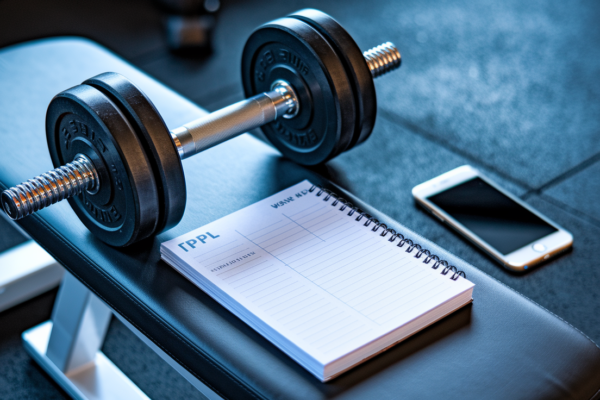
Think skipping the gym for a week is the best way to recover? Think again.
On a push-pull-legs split, a smart deload keeps you moving without adding stress.
Plan a seven-day deload every 4–8 weeks by trimming weekly sets first, then lower loads or cut sessions based on whether your joints or your mind are fried.
This post gives simple rules and three PPL layouts so you can protect strength, ease soreness, and keep practice without grinding.
Read on to schedule recovery that actually helps you get stronger.
A Practical PPL Recovery Week Schedule

Plan for a seven day deload after every 4 to 8 weeks of demanding training. Start by trimming your weekly sets first, then adjust working loads or session frequency depending on where your fatigue is actually coming from. If your joints feel beat up, drop the load. If you’re just burnt out mentally and physically everywhere, cut a session or two. Deload sets should feel like RPE 5 to 7, meaning comfortable with room to spare. No AMRAP sets, no grinding out ugly reps, no forced reps, no maxing out. This week is about preserving movement practice without maintaining your normal workload. That’s exactly why shorter, lighter sessions work better than skipping the gym entirely.
| Normal Routine | Seven-Day Deload Layout | Session Prescription | Best Use |
|---|---|---|---|
| Six-day PPL | Push Monday, Pull Tuesday, Legs Wednesday, repeat Thursday through Saturday, rest Sunday | 30 to 40 minute sessions, 50% to 60% of normal weekly sets, 60% to 70% of usual working loads | Lifters who want to keep their normal schedule but need less stress per session |
| Three-day PPL | Push Monday, Pull Wednesday, Legs Friday, rest or light activity Tuesday/Thursday/Saturday/Sunday | About two easy sets per main lift, total weekly sets at 50% to 60% of normal | Lifters already training three days who want a simple, low-effort deload week |
| Four-day modified PPL | Push Monday, Pull Tuesday, rest Wednesday, Legs Thursday, rest Friday, optional technique session Saturday, rest Sunday | Total weekly sets at 50% to 60% of normal, no more than one easy accessory set per movement | Lifters who want extra rest days built into the week without going to zero sessions |
| Full-rest option | Seven days away from structured lifting, with optional walking and mobility work | No structured sets, light movement only if desired | Burnout, illness, heavy life stress, or widespread joint discomfort where even light training feels counterproductive |
If one specific lift is driving most of your fatigue, say your bench press feels rough while everything else is fine, you don’t need to deload your whole split. Just cut that lift down to 50% of its normal sets and keep the rest of your week submaximal as usual. If that movement keeps bothering you past the deload week, swap it for an easier variation (think machine press instead of barbell, or dumbbells instead of a bar) for the next 4 to 6 weeks while things settle.
And honestly, you don’t need to keep the exact PPL structure during a deload. Main lifts can drop to two sets of 6 to 8 controlled reps, and accessories can shrink to one set of 10 to 12 reps or get cut entirely for the week. How to Structure a Deload Week Without Losing Strength or Momentum covers this well. Shorter sessions and lower stress keep your movement patterns sharp without forcing you to grind through a normal workload. The right layout is simply whichever version feels the least demanding while still supporting recovery, movement familiarity, and your motivation to keep training.
Pros and Cons of a Push Pull Legs Deload Week
(((alt-img2)))
Most of the downsides people run into with deload weeks come from doing it wrong, not from the deload itself. Plan it well and there’s really not much to lose and a lot to gain.
Benefits:
- Reduced accumulated fatigue across your whole training week
- Relief from soreness that’s been sticking around longer than it should
- Lower joint stress, especially helpful if your knees, shoulders, or lower back have been barking
- Restored motivation heading into your next training block
- Maintained technical familiarity with your main lifts, so you don’t lose your groove
Limitations and trade-offs:
- Temporarily lower training stimulus, which can feel unproductive in the moment
- Possible boredom from lighter sessions, especially if you love pushing hard
- Reduced skill practice if you choose complete rest instead of light sessions
- Deloading unnecessarily after one rough workout, when you really just needed a good night’s sleep
- Failing to actually recover because the “lighter” sessions are still too intense
Here’s the thing though, a deload week shouldn’t just look like your normal workout with a couple exercises removed. Reps need to stay controlled and comfortably short of failure, not just lighter weight pushed to the same effort level. And your sleep, nutrition
Final Words
You’ve got four concrete seven-day deload layouts, a single-lift alternative, and clear rules for sets, loads, and session length.
Start by cutting weekly sets, keep effort at RPE 5–7, and keep sessions short so you preserve movement without adding stress. Use lighter accessory work or skip it.
Use this push pull legs deload week how to schedule recovery guide to plan your next break, treat the first session back as an assessment, and add volume slowly so you don’t recreate fatigue. You’ll come back stronger.
FAQ
Q: How many reps should I do on a deload week?
A: The number of reps you should do on a deload week is lower and controlled: main lifts about two sets of 6–8 reps at RPE 5–7, with accessories limited to one easy set of 10–12 or removed.
Q: What is the 5-3-1 method of powerlifting?
A: The 5-3-1 method of powerlifting is a four-week cycle using sets of five, three, then one rep at increasing intensities based on percentages of your one‑rep max, with small weight increases each cycle for steady progress.
Q: How many days a week should I do push pull and leg days?
A: The number of days a week you should do push pull and leg days is flexible: three days (one each) for most people, four days for a balanced split, or six days (repeat the cycle) for advanced lifters who recover well.
Q: Is it okay to take a week off from working out?
A: It is okay to take a week off from working out: a single week rarely causes meaningful strength loss, aids recovery from fatigue or illness, and you should return with a short 1–2 week ramp.