Recovery
Performance Anxiety: Causes, Symptoms, and Proven Relief
By cindymellow
November 15, 2026
Field Notes
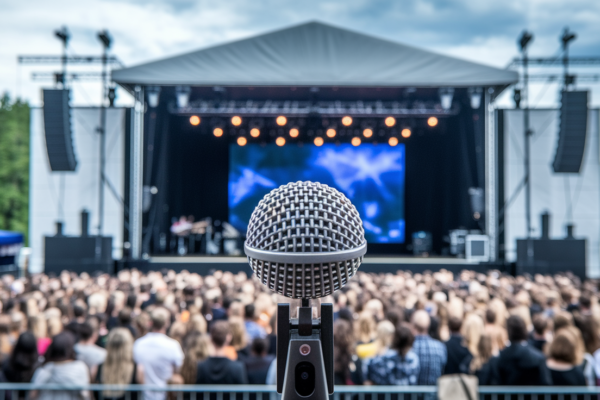
What if your own body betrayed you at the moment that mattered most?
Performance anxiety is the nervousness that shows up when you expect judgment, before a speech, an audition, a job interview, or in the bedroom.
It can make your hands shake, your mind blank, or push you to skip the event altogether.
This post breaks down what causes those reactions, how to spot the symptoms before, during, and after, and clear, proven ways to ease them so you can perform more often and feel like yourself again.
It’s fixable.
Normal Nerves Versus Disruptive Fear
Performance anxiety is situation-specific nervousness tied to being judged while doing something in front of others. Giving a speech, taking the stage, competing, interviewing, presenting at work, or being intimate with a partner all count. It’s built around a fear of judgment, failure, embarrassment, or losing control at the exact moment it matters most. This kind of pre-performance nerves usually spikes right before or during the event, then fades once it’s over.
Here’s the thing though, not all nervous energy is a problem. A little edge before walking on stage can sharpen focus and boost energy. That’s just your body getting ready. Stage fright becomes disruptive when it starts working against you instead of for you. Think shaky hands that won’t steady, a mind going blank mid sentence, or skipping the audition entirely because the fear feels like too much to face.
The encouraging part is that this is incredibly common, and it responds well to help. Preparation, specific behavioral techniques, therapy, and in some cases, medication guided by a clinician can all make a real difference. We’ll get into the full symptom list, how common this actually is, and where panic attacks fit into the picture in the sections ahead.
Types of Performance Anxiety and How Common They Are
(((alt-img2)))
Performance anxiety doesn’t look the same in every setting. The pressure of a boardroom presentation feels different from the pressure of a free throw with seconds left on the clock, and both feel different from worry in the bedroom. Prevalence estimates swing widely too, depending on who’s being studied and how the question gets asked. None of these numbers should be read as formal diagnostic rates. They’re broad patterns drawn from surveys and research samples.
Social, Academic, and Professional Pressure
Public speaking fear shows up in speeches, timed exams, job interviews, team meetings, and live product demos. What’s being judged shifts depending on the setting. Sometimes it’s verbal fluency and quick recall, other times it’s projecting authority, managing timing, or just looking competent under a spotlight. Workplace performance anxiety often centers on the fear that one stumble will define how colleagues see you.
Artistic and Athletic Pressure
Stage fright in musicians and actors tends to hit memory, emotional expression, timing, and fine motor control. Think of a violinist’s bow hand trembling right before a solo. Sports competition nerves work differently. Athletes under pressure need rapid decisions, coordination, accuracy, and often carry the added weight of letting teammates down. Audition anxiety blends both worlds, performing a skill while being directly evaluated in real time.
Sexual Performance Concerns
Sexual performance concerns stand apart because anxiety here can directly interfere with arousal, erection, lubrication, orgasm, attention, and open communication with a partner. It’s also worth saying clearly, not every sexual difficulty is anxiety driven. Physical health conditions and medications can play a role too, so ruling those out matters before assuming the cause is purely psychological.
| Context | Distinctive Demand | Possible Context-Specific Effect | Estimated Scope |
|---|---|---|---|
| Public speaking or work | Verbal fluency, recall, authority | Blanking, rushed pace, avoidance of meetings | Roughly 40-75% report fear (broad survey estimate) |
| Music or acting | Memory, expression, fine motor control | Hand tremor, voice shake, missed cues | Approximately 15-60% depending on population |
| Sport | Rapid decisions, coordination, team pressure | Choking under pressure, overthinking routine skills | Varies widely by sport and competition level |
| Tests | Recall under time pressure | Mental blanking, rushed answers | Commonly reported among students (broad estimate) |
| Sexual activity | Arousal, communication, intimacy | Erectile or orgasm difficulty, reduced focus | Affects a substantial minority of adults (broad estimate) |
Performance Anxiety Symptoms Before, During, and After an Event
(((alt-img3)))
Performance anxiety symptoms don’t just appear the second you walk on stage. For a lot of people, the anticipatory phase starts 24 to 72 hours before the event. That can look like dread creeping in during the day, rumination that won’t quit, disrupted sleep the night before, over rehearsing far past the point of usefulness, or a strong urge to just cancel and avoid the whole thing.
Once the event actually starts, physical signs of anxiety tend to take over. A racing heart, sometimes climbing 20 to 40 beats per minute above your resting rate and occasionally topping 100 bpm, is common. So is sweating, hand tremor, dry mouth, nausea, shortness of breath, lightheadedness, and muscle tension that makes movement feel stiff or unnatural. Intensity varies a lot from person to person, and even event to event for the same person.
On the psychological side, fear of humiliation can narrow your attention down to a pinhole. Catastrophic predictions sneak in (“I’m going to completely blank”), memory lapses happen, and some people describe a kind of detachment, almost like watching themselves from outside their body. Self talk tends to get harsh fast.
Afterward, the mind often keeps running the tape. Replaying perceived failures, seeking reassurance from others, reaching for alcohol to unwind, or avoiding similar situations going forward are all common patterns. Here’s the tricky part,
Final Words
Spot the difference: normal nerves can sharpen your focus, but disruptive fear gets in the way of doing the task. Learn the common settings so you know when it’s situational.
You now know the typical symptoms, what triggers them, short-term calming tools, a four-week self-practice plan, and when therapy or medication might help. We covered readiness, mistake recovery, and tracking progress.
With steady practice—breathing, graded exposure, simple rituals, or professional help—performance anxiety becomes manageable. Small steps add up, and you’ll get better at showing up.
FAQ
Q: How to overcome stage fear and nervousness?
A: To overcome stage fear and nervousness, use focused preparation, graded exposure (small practice steps), short breathing and grounding routines, rehearse your opening, practice quick recovery from mistakes, and seek therapy if avoidance continues.
Q: How can I manage anxiety during work meetings?
A: To manage anxiety during work meetings, prepare key points, use three to five minutes of diaphragmatic breathing, pick one process cue, rehearse a short opening, and ask for an agenda to reduce uncertainty.
Q: What is chronic performance anxiety?
A: Chronic performance anxiety is persistent, situation-focused fear that regularly interferes with tasks, causes repeated avoidance or distress across performances, and often benefits from professional assessment or treatment.
Q: Can Viagra help with performance anxiety?
A: Viagra can help erectile problems but does not treat performance anxiety; sildenafil may improve physical response, yet anxious thoughts still need behavioral strategies, therapy, or clinician-guided treatment when psychological factors contribute.