
Have you ever felt like you needed a quick pick-me-up without leaving your home? When you do cardio workouts in your living room, you can get that heart-pumping burst of energy without any fuss. Imagine doing jumping jacks that wake you up or skipping in place to feel light and strong.
In this article, you'll discover simple bodyweight moves that work your entire body and give you an instant boost. Ready to feel more energetic and focused? Let's dive in and see how your home can turn into a vibrant space for movement.
Essential Bodyweight Cardio Workouts at Home
Looking for a fun way to boost your energy and build strength without needing any equipment? Try these moves that fire up your heart and work your whole body, even in a small space.
- Jumping Jacks with a star jump twist. This exercise boosts your coordination and gets your heart pumping.
- Skip in place with high knees. It strengthens your legs and builds endurance.
- Ice Skaters. Picture yourself gliding side-to-side like you’re on ice, which helps improve your balance.
- Jump Squats. They power up your lower body and add a burst of explosive energy.
- Modified Burpees. A great full-body exercise that lets you control how hard you land.
- Mountain Climbers. These work your core while keeping your heart rate high.
- Single-Leg Hops using stairs or steps. Perfect for sharpening balance and leg stability.
- Side-to-Side Hops. They boost your agility and help you move smoothly laterally.
- High Knees with a low-impact option. This move safely raises your heart rate while keeping it gentle on your joints.
Give each exercise 20 to 30 seconds to start. As you get more comfortable, try doing them for 60 seconds to really challenge yourself. Gradually ramp up your routine over the weeks, and enjoy every step towards a healthier, more active you.
High-Intensity Indoor HIIT for Maximum At-Home Burn
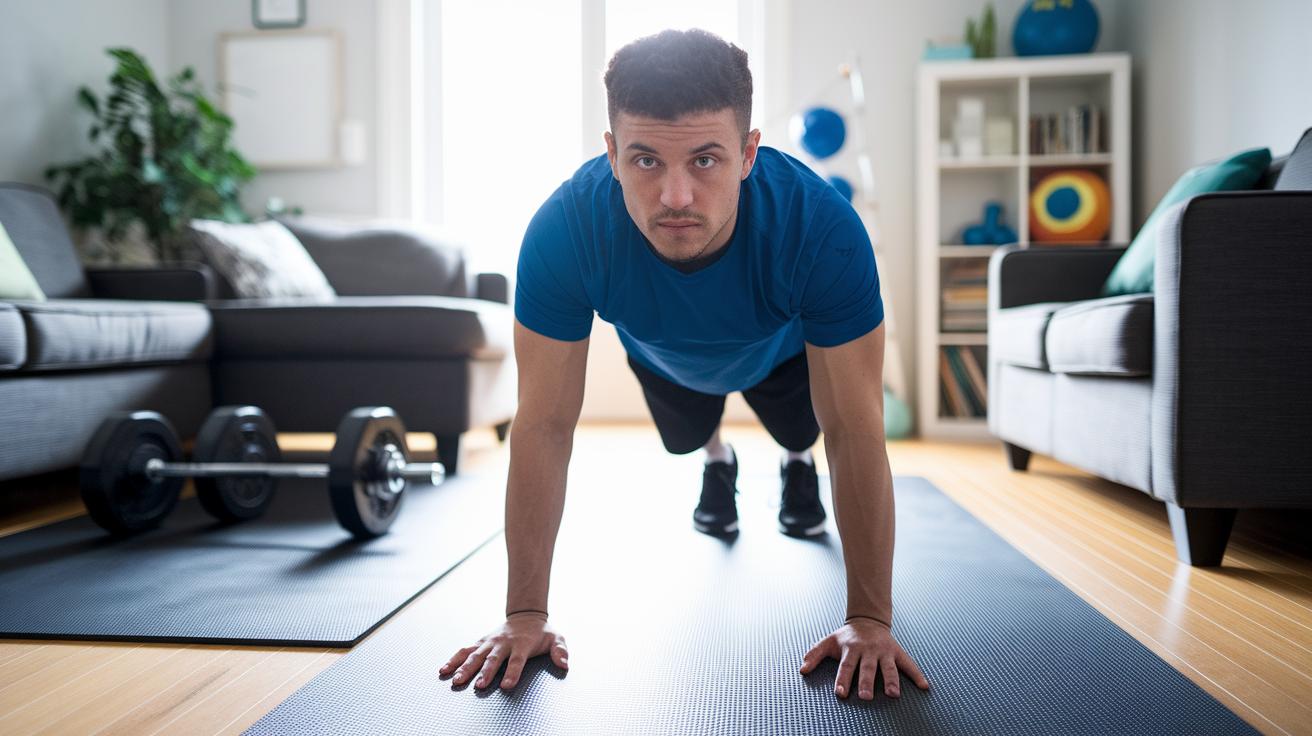
Get ready to feel an instant boost of energy with indoor HIIT sessions. These workouts quickly raise your heart rate while pushing your muscles to work hard, even in the coziest corners of your home. It’s like turning your living room into a personal powerhouse. And here’s a cool fact: burpees, one of the key moves, can fire up your endurance so fast that even a few minutes make a big difference.
Start by picking 4 to 5 exercises that work several muscle groups. Think of moves like burpees, mountain climbers, jump squats, and high knees. Use short bursts of activity for each drill, about 20 to 30 seconds of work. Then, take brief rests of 10 to 15 seconds to keep that heart pumping strong. Choose a total workout time that fits your fitness level and imagine pushing yourself to 60 seconds of active effort as you improve.
- Choose 4 to 5 exercises that target multiple muscle groups, like burpees, mountain climbers, jump squats, and high knees.
- Do each move for about 20–30 seconds.
- Rest for 10–15 seconds between each burst.
- Pick a total time that feels right for you and aim to move towards 60-second intervals as you get stronger.
| Exercise | Work (seconds) | Rest (seconds) |
|---|---|---|
| Burpees | 30 | 15 |
| Mountain Climbers | 30 | 15 |
| Jump Squats | 30 | 15 |
| High Knees | 30 | 15 |
Low-Impact Aerobic Moves for Joint-Friendly Home Cardio
If you're just starting out, give simple moves a try, like Butt Kicks, Lunges, or even Plank Shoulder Taps. These moves help your heart beat a little faster without putting too much stress on your joints. Just keep your movements smooth and steady, imagine engaging your tummy while doing lunges and keeping your back straight during Plank Shoulder Taps. A little tip: begin slowly and gradually pick up the pace, kind of like how you’d ease into a fun, light warm-up before your favorite dance.
If you're over 40, you might enjoy trying moves that are extra gentle on your joints. Exercises such as Malasana Squats, Side Lunges, and Plank Knee to Elbow can be a great way to build stability and core strength. They take some pressure off your knees and hips. You might even find it helpful to reduce the range of each move and do more reps as you get stronger, this makes each workout both safe and rewarding.
Aim for 20 to 30 minutes per session and try to make these low-impact moves a regular part of your week. Starting with short workouts and slowly building up the time lets your body get used to the activity, keeping your joints happy while boosting your flexibility and heart health.
Quick 10-Minute Cardio Sessions for Busy Home Schedules
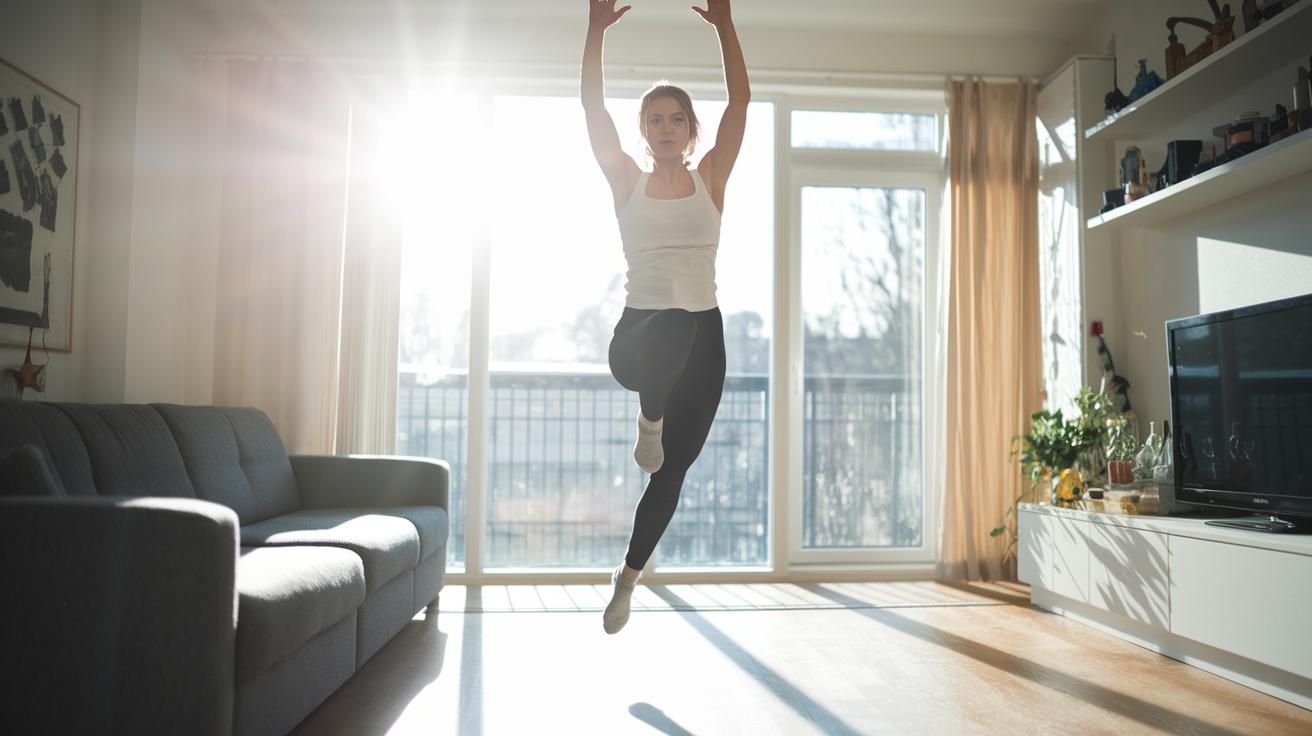
Start with a one-minute warm-up by lightly jogging or marching in place. Then, jump right into your circuit: do high knees for 20 seconds, follow up with jump squats for 20 seconds, and keep the pace with mountain climbers for 20 seconds. Next, hit 20 seconds of burpees, switch it up with 20 seconds of ice skaters, and then perform jumping jacks with a fun twist, imagine spreading your arms like a star, for 20 seconds. Continue with 20 seconds of skipping in place with extra high knees, move to 20 seconds of single-leg hops on your stairs, and finish this round with 20 seconds of side-to-side hops. Wrap it up with a one-minute cool-down stretch to relax your muscles.
If you're looking for a bit more of a challenge and have extra time, try extending each move to 30 seconds. Aim to complete this circuit three times a week for a burst of energy that fits perfectly into your busy schedule.
Crafting a Living Room Cardio Circuit Routine
Working out in your living room is a fun way to boost energy and tone different muscles at once. All you need is a little clear space, move aside a coffee table or lay down a non-slip mat, to make sure you’re safe while you get moving.
Pick 5 or 6 exercises that target different parts of your body. For example, you might try Jumping Jacks for a full-body warm-up, Ice Skaters for side-to-side movement, Burpees to build strength, Single-Leg Hops to challenge your balance, and Plank Jacks to work your core. And if you’re tight on space, feel free to tweak moves like stepping back for Burpees. A good start is 45 seconds of work followed by 15 seconds of rest, repeated for 3 to 4 rounds.
| Move | Duration (sec) | Rounds |
|---|---|---|
| Jumping Jacks | 45 | 3-4 |
| Ice Skaters | 45 | 3-4 |
| Burpees | 45 | 3-4 |
| Single-Leg Hops | 45 | 3-4 |
| Plank Jacks | 45 | 3-4 |
Here are a few quick safety tips: clear away any clutter, secure loose rugs, and use a non-slip mat or a safe surface. Adjust the number of rounds and the intensity depending on how comfortable you feel. With a few tweaks and a bit of planning, you'll keep your workout fun, safe, and energizing right at home.
Customizing Cardio Intensity for Beginner to Advanced Levels
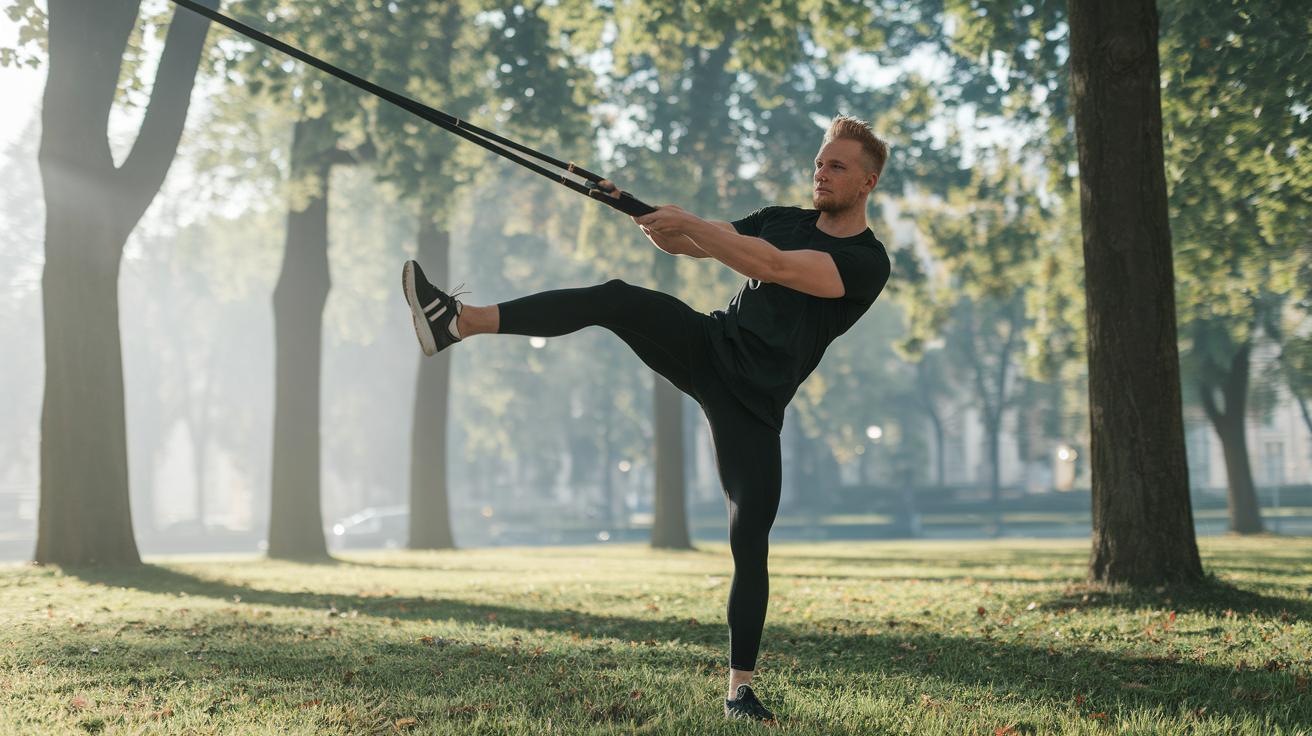
Progression is super important when you’re matching your workout to your pace and strength. When you slowly boost the intensity, your body gets the time it needs to build endurance and nail down proper form. This way, each workout stays challenging yet safe, and you keep things fresh without hitting a plateau.
Modifications for Beginners:
If you’re just starting out, try easing into your routine with gentler moves. Begin with bursts of activity lasting about 20 seconds paired with 40 seconds of rest, letting you enjoy each change of pace. You might swap out high-impact jumps for simple steps, reduce how far you move your limbs to keep your balance, and slow the pace to really focus on your form. These small tweaks help you build a strong foundation while your body gradually gets used to a tougher workout.
Challenges for Advanced:
For those who are more experienced, it's time to kick things up a notch. Add jump variations that boost your power and coordination. Stretch your work intervals to 45–60 seconds and cut back on rest to keep that heart rate up. Mixing moves together in supersets can add an extra layer of challenge, and alternating between high and low-intensity days helps manage fatigue.
Keep track of your progress in a workout log or a handy app. It’s incredible to see how far you’ve come, making every session feel a little more rewarding.
Key Warm-Up and Cool-Down Practices for At-Home Cardio
Start your workout with a light warm-up to get your body ready and your blood flowing. A gentle warm-up, like a few minutes of easy in-place jogging, slowly boosts your heart rate, eases muscle tightness, and sets you up for a great session.
Next, try adding four dynamic moves to help loosen your joints and improve your mobility. Begin with leg swings by gently moving your leg forward and back to wake up your hips. Then do some arm circles to clear your shoulders and a few torso twists to get your core active. These simple moves not only prepare your muscles but also lower the chance of getting hurt when you move into tougher exercises.
After your workout, take 5 to 10 minutes to cool down with some static stretches. Stretch your hamstrings and quads with gentle holds, lean against a wall for a calf stretch, and take a moment to relax your shoulders. Deep breathing during these stretches helps bring your heart rate back to normal and speeds up your recovery.
Safety Guidelines and Injury Prevention for Home Cardio Workouts
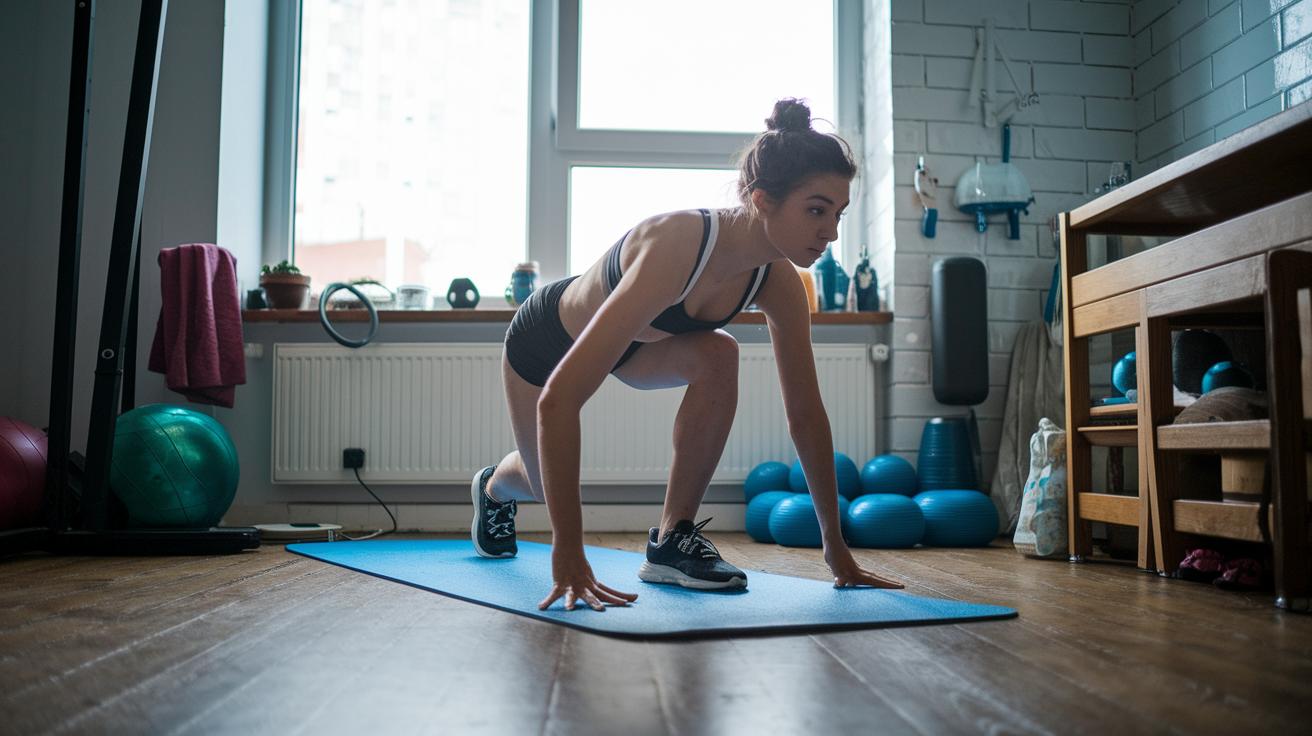
When you're ready to work out in a small space or apartment, start by clearing an area where nothing can trip you up. It helps to wear supportive shoes that keep your feet comfy, especially during those quick, gear-free workouts. Taking the time to get your form right with every move can really cut down on the chances of muscle strains or joint aches.
Make sure you sip plenty of water and take breaks when you need to catch your breath. Alternating between bursts of effort and short rests not only shields you from overuse injuries but also gives your workout a nice performance boost. And hey, listen to what your body is telling you, if something feels off, it’s totally fine to ease up a bit.
By putting safety first, you’re setting yourself up for steady progress and a healthier, happier routine.
Monitoring Progress and Staying Motivated with Home Cardio
Keeping track of your progress can really boost your energy and keep you smiling during every workout. When you log details like how long you exercise or your heart rate (that’s a simple way to see how hard your heart is working), every session feels more meaningful. Video-guided workouts and online classes provide clear instructions, while built-in timers and tracking features let you see your improvements. It’s genuinely fun to look back at your workouts and realize how each one builds your strength and endurance.
Mixing up your routine with tools like fitness apps, digital timers, workout logs, heart rate monitors, and virtual classes can add some excitement to your workout. Fitness apps even let you join a home cardio challenge with friends, and digital timers help you stick to your intervals. Writing down your sessions in a log makes it easy to see your progress over time. Plus, heart rate monitors show you how effectively you're working those muscles, and virtual classes keep the energy high by connecting you with others on the same journey.
Set clear goals for each week and track every achievement. That way, you’ll build the confidence to try new moves. Celebrate every little milestone because every win, no matter how small, gives you the motivation to push a little harder next time.
Final Words
In the action, the article led us through various home-based routines, from high-energy HIIT sessions to gentle, low-impact aerobic moves. It broke down essential bodyweight exercises and quick 10-minute circuits while highlighting safety tips like proper warm-ups and cool-downs.
We also touched on methods to scale routines and track progress, making these workouts adaptable for everyone. Keep your energy high and your workouts fun with steady practice and mindful adjustments.
Keep moving forward with those cardio workouts at home!
FAQ
Frequently Asked Questions
How do cardio workouts at home work for weight loss, beginners, and various groups?
Cardio workouts at home are designed to suit all fitness levels, whether you’re starting out or looking to burn calories. They often use bodyweight moves that require no equipment, making them accessible for women, men, and beginners alike.
What is the best home cardio workout?
The best home cardio workout is the one that fits your routine and fitness level. It combines moves like jumping jacks and mountain climbers to effectively raise your heart rate and build endurance.
Which cardio workout burns the most fat?
Cardio workouts that deliver high-intensity bursts, like HIIT routines and jump squats, burn significant fat by boosting your heart rate quickly and sustaining a high calorie burn even after the workout.
Is 30 minutes of cardio a day enough?
A daily 30-minute cardio session can support overall health and endurance. Regular sessions build cardiovascular strength and help burn calories, making them an effective part of a balanced fitness plan.
What does the 12 3 30 rule for cardio mean?
The 12 3 30 rule means setting a treadmill to a 12% incline, a speed of 3 mph, and walking for 30 minutes. This setup provides a moderate, joint-friendly workout that boosts your heart rate safely.
How are workouts like burpees, HIIT, aerobics, anaerobic exercise, and street workouts different?
Each method offers a distinct style of cardio. Burpees and HIIT focus on rapid bursts for maximum calorie burn, while aerobics, anaerobic exercises, and street workouts blend rhythm, strength, and agility for varied benefits.
How do home cardio workouts compare to gym cardio workouts?
Home cardio workouts offer flexible routines with minimal equipment, while gym sessions might include more specialized machines and class options. Both are effective for boosting heart health and endurance based on your preference.
What does a typical home cardio workout plan include?
A typical home cardio workout plan mixes dynamic moves like jumping jacks, burpees, and high knees. It involves varied work intervals and rest periods tailored to your progress and fitness level.

