
Have you ever noticed how some meals give you a burst of energy while others leave you feeling tired? When you pile your plate with lean protein (like fish or beans), a mix of colorful veggies, whole grains, and healthy fats (such as avocado), it's like giving your body the best fuel possible. This type of balanced meal helps keep your energy steady and makes even the longest afternoons feel lighter. In this guide, we'll take a look at a few simple changes you can make so you feel strong, satisfied, and ready to smile all day. Ready to try out a plan that lifts your energy and your mood?
How to Craft Balanced Healthy Meals: A Step-by-Step Guide
Eating meals that include protein, carbohydrates, and fats helps keep your energy steady throughout the day and eases those nagging hunger pangs. When you serve up a plate with lean protein, non-starchy vegetables, fiber-rich carbohydrates, and healthy fats, you’re giving your body ingredients that build muscle and help you recover faster. For example, lean protein like chicken or beans not only builds strong muscles but also keeps you feeling satisfied longer.
A balanced mix of nutrients means you don’t have to stress about counting calories or tracking every macro. When your body gets the right blend of foods, it naturally manages hunger and releases energy slowly, kind of like enjoying a smooth, gradual run on a breezy morning. This way, you can focus on the joy of eating rather than obsessing over numbers.
- Pick a lean protein source such as chicken, beans, or tofu.
- Pile on non-starchy vegetables like leafy greens or colorful peppers.
- Choose fiber-rich carbohydrates like whole grains or legumes.
- Sprinkle in some healthy fats from sources like avocado, nuts, or olive oil.
Using these simple steps creates a meal plan that keeps your energy up all day and helps you feel full longer. It’s a natural, balanced approach that supports a vibrant, active lifestyle without the extra hassle of strict calorie counting.
Essential Food Groups in Balanced Healthy Meals
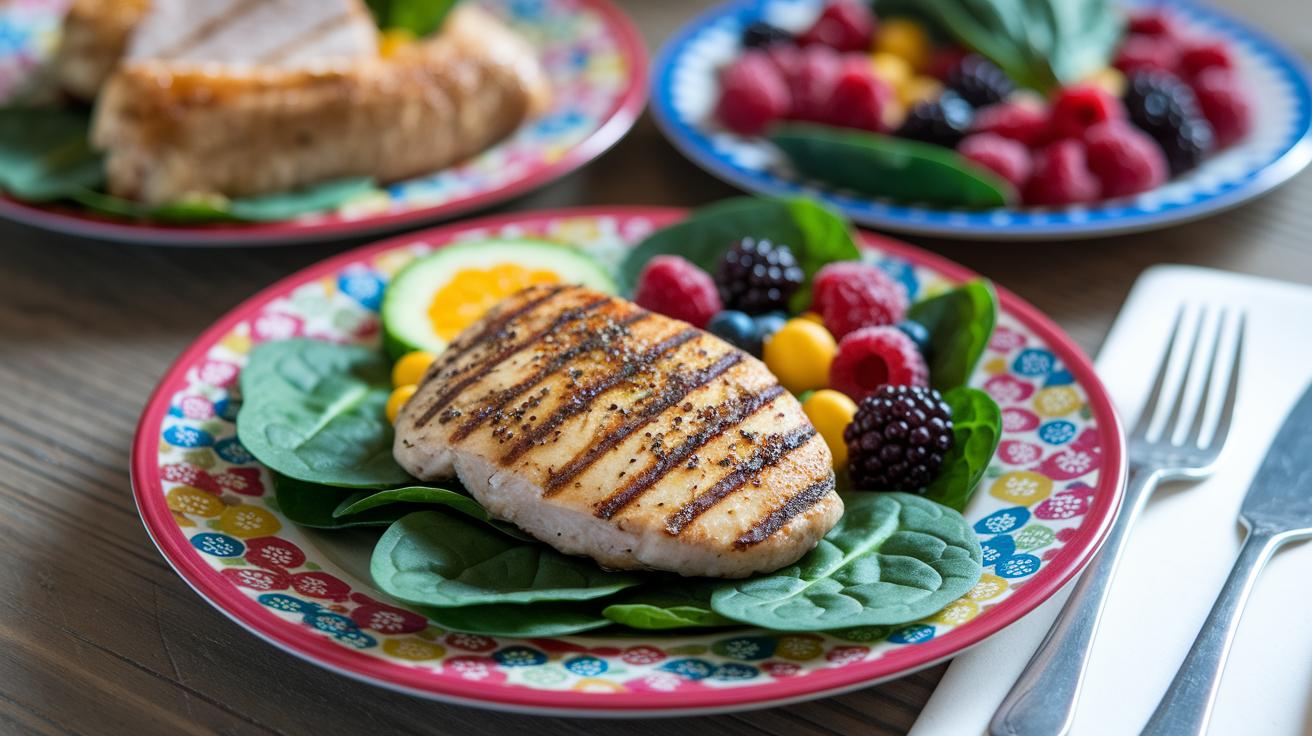
This guide builds on our earlier steps by offering a handy table that links exact serving sizes with easy meal planning tips. Imagine visiting your neighborhood market and picking out fresh, seasonal veggies to add a burst of color to your plate while keeping your portions just right.
Small changes can really make a big difference. For example, planning a meal with bright, natural ingredients not only boosts your nutritional balance but also makes cooking a fun, creative adventure.
Think of the table below as your go-to guide filled with practical cooking ideas. It suggests pairing lean proteins with non-starchy vegetables (which are full of vitamins and fiber) and fiber-rich carbohydrates (good for digestion) to create a meal that looks as good as it tastes. Picture a plate with perfectly grilled chicken alongside a bed of spinach and a handful of berries, each element working together to offer both flavor and function.
| Food Group | Key Benefits | Recommended Serving |
|---|---|---|
| Lean Protein | Helps build muscle and keeps you full | 3-4 oz or a palm-sized portion |
| Non-starchy Vegetables | Loaded with vitamins and fiber | 1-2 cups |
| Fiber-rich Carbohydrates | Supports digestion and balances blood sugar | About 1/4 of your plate |
| Healthy Fats | Helps absorb nutrients and adds meal satisfaction | 1-2 tablespoons or a small handful |
Mix these ideas with some real-life meal planning tips. Imagine creating a plate with grilled salmon, a mix of roasted seasonal veggies, and a sprinkle of creamy avocado, each part working together to form a balanced and delightful meal.
Portion Control Strategies and the Balanced Plate Method for Healthy Meals
Portion control makes a real difference in helping you manage hunger and energy naturally. It means you won’t have to count calories all day long. Imagine filling your plate with colorful fruits, crisp vegetables, lean protein (like chicken, beans, or tofu), whole grains, and healthy fats. Doing so helps you feel full longer and stops you from overeating. Visual cues like these can really shift the way you see mealtime.
Try out the Balanced Plate Method. Picture your plate split into two halves and two quarters. Fill one half with a mix of fruits and vegetables for vitamins, minerals, and fiber. Reserve one quarter for lean proteins that build muscle and keep you satisfied. The last quarter is perfect for fiber-rich carbohydrates (like whole grains or legumes) to fuel your energy.
You can adjust these portions based on how active you feel or how hungry you are. Maybe after a busy afternoon walk, you might add extra veggies or a bit more protein. Using divided plates or meal-prep containers can make this visual balance simple and stress-free.
Simple tools like measuring cups or even your hand are great for this. Think of a palm-sized portion of protein, a handful of carbs, and a couple of cupped hands of fruits and vegetables for every meal. This easy guide can help you keep your meals balanced and make your healthy journey feel natural and enjoyable.
Meal Planning Techniques for Balanced Healthy Meals
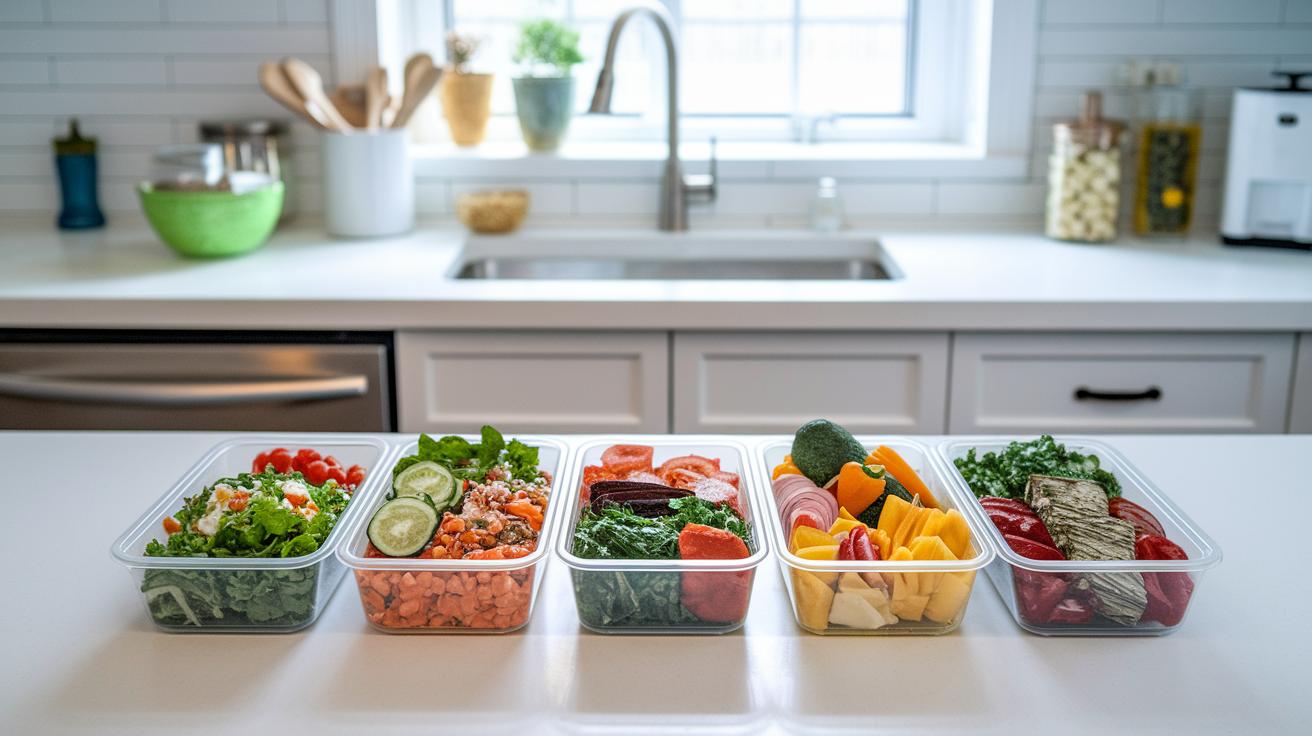
Planning your meals for the week makes sticking to healthy meals so much easier, and it gives you more time to enjoy your day without worrying about what’s for dinner later on. When you decide in advance what you'll cook, you're less likely to grab something impulsively. It also helps you meet your nutrition goals with ease.
One great tip is to prepare lean proteins like chicken breast, beans, or tofu (a plant-based protein option) in large batches during the weekend. Spending just a few hours cooking can make weeknights a breeze because you'll have ready-to-go portions in your fridge or freezer. It’s almost like having a little helper waiting for you when time is short.
Similarly, washing, chopping, and storing fruits and veggies ahead of time gives you quick options for busy mornings or a fast lunch. A few minutes spent prepping a bowl of crisp, chopped vegetables can bring freshness to your meals and ease the stress of last-minute cooking.
And don’t forget, using simple planning ideas, like rotating meal themes or trying out recipes like Mason Jar Salads, can take the guesswork out of meal planning. These strategies not only keep your menu exciting but also fuel your body with lasting energy throughout the day.
Sample Recipes for Balanced Healthy Meals: Breakfast, Lunch, and Dinner
For breakfast, mix whole grains, protein, and fresh fruit to kickstart your day full of energy. Picture a warm bowl of oatmeal with a spoonful of creamy yogurt, sprinkled with crunchy almonds and fresh berries. It’s a simple, satisfying combo that keeps you fueled. Or try avocado toast topped with a perfectly cooked egg, where the rich avocado meets a soft, runny yolk.
At lunch, aim for a balance of lean protein, veggies, and fiber to keep you feeling strong through the afternoon. Imagine a crunchy tuna salad tucked inside a soft pita, delivering both protein and a refreshing crunch. Another great option is a Mason Jar Salad layered with crisp greens, juicy cherry tomatoes, and lean grilled chicken (a protein that helps build muscle). You might also love a tofu and brown rice bowl, where lightly seasoned tofu, hearty brown rice, and fresh vegetables come together. Need more ideas? Check out some healthy salad recipes that highlight fiber-rich ingredients.
For dinner, choose a meal that is both hearty and balanced to help you ease into a calm evening. Picture a plate of pesto chicken pasta where tender chicken and colorful veggies mingle with whole wheat pasta, creating a comforting, wholesome feel. Maybe a salmon stir-fry with rice sounds good, combining lean protein and crisp vegetables in every bite. And if you’re leaning towards plant-based options, a rich lentil and sweet potato curry, mixed with spices, fiber, and protein, rounds out the meal with a delightful lasting flavor.
Snack Solutions and Macronutrient Optimization in Balanced Healthy Meals
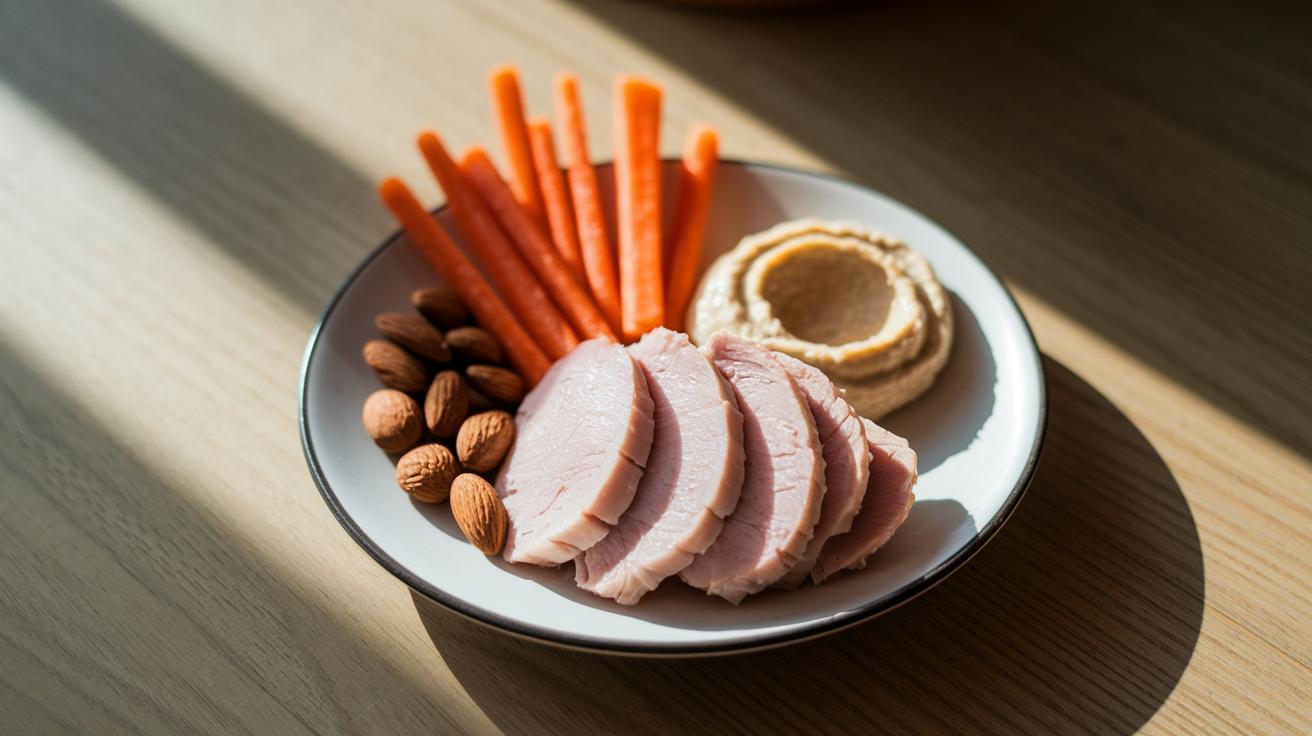
A snack full of protein can really help keep your energy balanced between meals. Picture a small plate with lean turkey slices, a handful of almonds, and crisp carrot sticks. This mix works wonders because protein takes a bit more energy to digest (that’s called the thermic effect of food) and helps you feel full longer. Adding a little healthy fat, like a spoonful of hummus, makes it even better by keeping hunger at bay without weighing you down. For example, you might enjoy cottage cheese with berries, a tasty blend of tangy and sweet.
Smoothies are another great choice for a boost of energy. Think about blending your favorite fruits and veggies with a scoop of protein powder and a splash of olive oil or nut butter. This drink packs vitamins, fiber, and healthy fats into one glass. It’s like a refreshing burst that keeps your energy steady and helps prevent overeating later. One idea is a smoothie made with banana, spinach, and a dollop of Greek yogurt, a delicious, nutrient-packed mini meal you can sip on the go.
Special Considerations for Dietary Preferences and Health Conditions in Balanced Healthy Meals
When you customize your meals, you’re choosing foods that truly work for your body. Whether you follow a plant-based routine or have specific dietary needs, keeping things balanced is important. Using fresh, whole ingredients can really boost your meal while still giving you a good mix of protein, carbohydrates, and healthy fats.
Vegan and Vegetarian Variations
For friends enjoying vegan or vegetarian diets, foods like beans, tofu (a protein-packed soy product), and whole grains work wonderfully to meet your protein and fiber needs. These options help keep your muscles strong and your blood sugar steady, all while bringing fun textures and tasty flavors to your plate.
Diabetic-Friendly and Allergen-Free Options
If you’re watching your blood sugar or dealing with food allergies, try using low-glycemic carbohydrates (foods that raise blood sugar slowly) and mindful portion sizes to keep your energy consistent. Swapping in alternatives like almond milk or gluten-free grains ensures you still get the nutrients you need. Small changes like these can make your meal both safe and satisfying.
Tweaking recipes to match your personal health goals is a smart move. Chatting with a registered dietitian (a health professional specializing in food choices) can help adjust your meals so they continue to support your overall well-being.
Final Words
In the action, we explored how balanced meals can fuel your body, blending lean proteins, vegetables, fiber-rich carbohydrates, and healthy fats for sustained energy. The guide broke down simple steps, portion control tips, and meal planning techniques to support a steady, happy lifestyle.
Each section offered clear ideas to help you plan balanced healthy meals without counting calories. Keep moving forward with a plate full of flavor and goodness!
FAQ
Frequently Asked Questions
What are examples of balanced healthy meals recipes for various meals?
Examples include breakfast with oatmeal, yogurt, and berries; lunch featuring a salad with lean protein and vibrant veggies; and dinner with whole grains, lean meat or beans, and a drizzle of olive oil.
How can balanced healthy meals help with weight loss?
Balanced healthy meals help with weight loss by stabilizing energy and reducing hunger. They combine lean proteins, fiber-rich carbohydrates, and healthy fats that keep you full longer and support steady energy levels.
What should be included in a balanced diet food list?
A balanced diet food list includes lean proteins like chicken or tofu, plenty of non-starchy vegetables such as leafy greens, fiber-rich grains, and healthy fats found in nuts or avocado to support overall wellness.
How does a 7-day healthy eating plan support balanced nutrition?
A 7-day healthy eating plan offers structure and variety by ensuring each day features key food groups. This helps maintain steady energy and distributes nutrients evenly throughout the week.
What are healthy foods to eat everyday for a balanced meal?
Everyday choices for balanced meals include lean proteins, colorful vegetables, whole grains, and healthy fats. These foods work together to fuel your body, support digestion, and manage appetite effectively.
How can I prepare quick, easy healthy meals?
Quick, easy healthy meals can be made by using pre-cooked lean proteins, pre-chopped vegetables, and whole grains. Simple seasonings and divided meal-prep containers also make balanced nutrition fast and accessible.
What does a balanced diet chart look like?
A balanced diet chart visually divides your plate into sections for lean protein, non-starchy vegetables, fiber-rich carbohydrates, and healthy fats, providing a simple guide to achieving proper portion control with each meal.
What is the healthiest balanced meal?
The healthiest balanced meal combines lean protein, a variety of non-starchy vegetables, whole grains, and a source of healthy fats. This blend fuels energy, supports muscle building, and promotes long-term satiety.
What is a good healthy balanced dinner?
A good healthy balanced dinner often features moderate portions of lean protein, a generous serving of vegetables, fiber-rich carbohydrates, and a bit of healthy fat to keep you satisfied and energized through the evening.

