
Ever feel like the day's noise is just too much? Sometimes, a few deep, mindful breaths can be all you need to reclaim your calm and spark a little joy.
Picture this: you pause for a moment and focus on the gentle rhythm of your breath. With every exhale, stress starts to melt away and your mind quiets down. It's like pressing the reset button on your day.
This simple act not only relaxes your body but also gives you a fresh perspective, helping heavy moments seem a bit lighter. So why not give it a try? With each slow, steady breath, you might just find that extra balance you’ve been looking for.
Understanding Mindful Breathing Exercise: Definition, Benefits, and How It Works
Mindful breathing exercise is a simple way to bring calm into your day. You just pay attention to your natural breathing rhythm, letting your inhale and exhale flow as they do, and it gently pulls you into the present moment. This little pause can shift your focus away from daily stress and help you feel more at peace.
Research shows that mindful breathing benefits both your mind and body. Studies from 2010 and 2014 found that it can lower stress, sharpen your focus, and lift your mood. In plain terms, it helps trigger your body’s natural relaxation mode, slowing your heart rate and easing your blood pressure. When your heart is calm, you know your body is using stress management techniques to soften anxiety.
Practicing mindful breathing on a regular basis may help ease anxiety and reduce negative thoughts. This, in turn, supports mood balance and can even ease symptoms of depression. Whether you only have a minute during a busy day or you carve out time for a longer session, mindful breathing is accessible to everyone. Next time, try noticing how your chest or belly moves with each breath, it might feel a bit like enjoying the beat of your favorite tune.
To get started, find a quiet spot, sit comfortably, close your eyes, and tune into how the air fills your lungs. Many people find that this focused attention turns ordinary moments into chances for deep inner joy and relaxation.
Mindful Breathing Exercise: Embrace Inner Joy
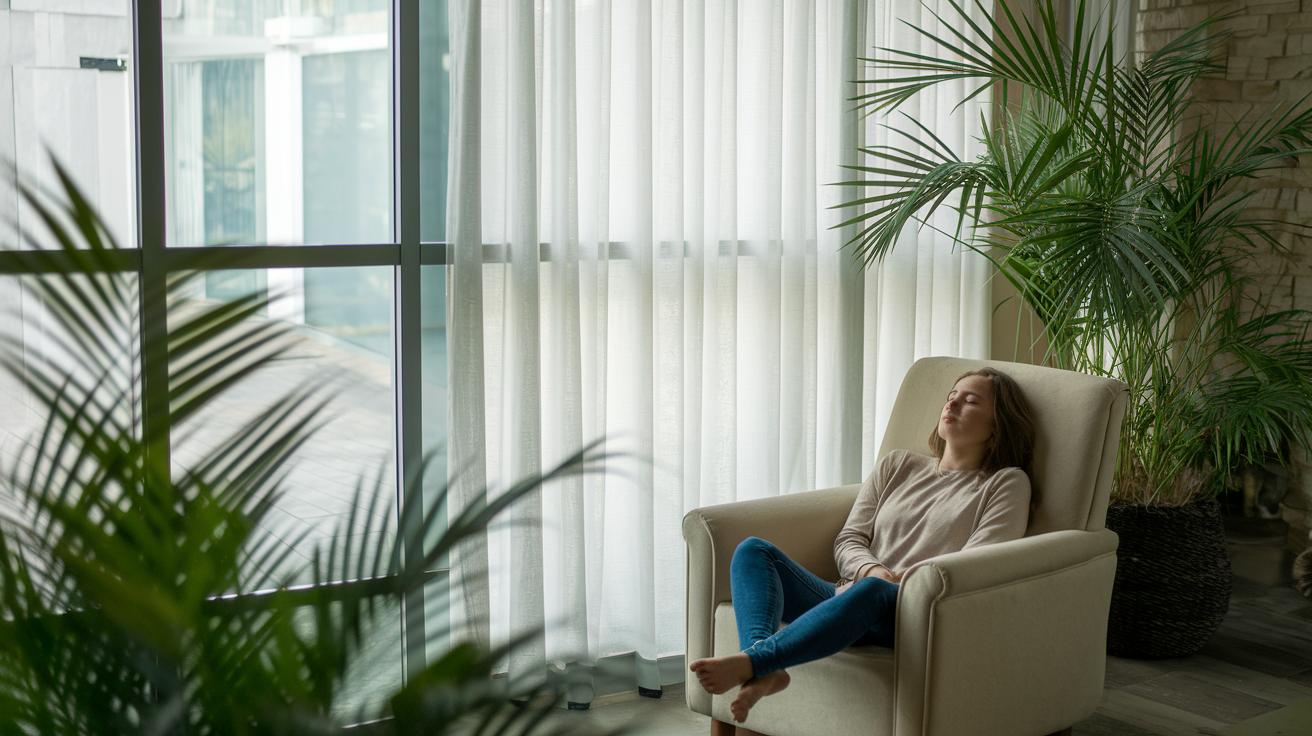
Ever feel like you need a little break that both soothes and lifts your spirits? Try this simple breathing exercise to bring some calm and joy into your day.
-
First, get comfy.
Sit in a quiet corner or lie down, making sure your back is supported and you feel relaxed, kind of like sinking into your favorite chair after a tiring day. -
Now, close your eyes.
Let them gently shut, blocking out distractions so you can focus on the here and now. -
Next, focus on your breathing.
Notice the cool air as you breathe in and the warm air as you breathe out. Picture it like a gentle, steady beat that brings calm. -
Try belly breathing.
Place your hand on your tummy and feel it rise and fall with each breath. Imagine your belly expanding like a soft balloon, that simple touch helps you connect with each breath. -
Set a little time aside.
Start with just five minutes, or maybe try a six-minute guided session inspired by those calm breathing techniques from Thich Nhat Hanh. If you like, use a soothing visual cue to stay on track. -
Finally, if your mind starts to wander, gently steer it back to your breath.
Don’t worry about any stray thoughts, simply refocus and let your breath bring you back to the moment. Keep this up for about 5 to 10 minutes each day, and notice how it brightens your mood.
Variations of Mindful Breathing Exercise: Techniques and Timing Options
Mindful breathing can be done in several easy ways that feel just right for you. One favorite is the 4-7-8 breathing method. This simple exercise means you breathe in for 4 seconds, hold your breath for 7 seconds, and then slowly breathe out for 8 seconds. It’s like telling your body, “It’s time to relax,” making it a great way to wind down before sleep.
Another neat trick is triangle breathing. Here, you use the same count for breathing in, holding, and breathing out. Imagine tracing a triangle with your breath. For example, if you pick a count of 4 for each step, you set a steady and calming pace. It’s like finding a natural rhythm that helps quiet your mind during a busy day.
There’s also the paced breath technique that fits into almost any part of your day. Whether you only have 3 minutes to catch your breath during a hectic moment or you can spare 10 minutes for a deeper reset, this method works well. Sometimes, just a brief pause, and a deep, mindful breath, can make all the difference, much like taking a moment before an important talk or after a tough workout.
For those who want a deeper and more immersive practice, a traditional 20-minute guided meditation might be just right. This option is perfect if you’re looking to deepen your calm and get into an even richer state of relaxation.
- 4-7-8 breathing technique for sleep enhancement
- Triangle breathing for an easy, balanced rhythm
- Paced breath techniques that work for quick 3-minute or full 10-minute reset sessions
- Extended 20-minute guided meditation for a more immersive experience
Each of these methods lets you choose the best way to find your moment of calm, whatever your day may bring.
Science of Mindful Breathing Exercise: Effects on Body and Mind
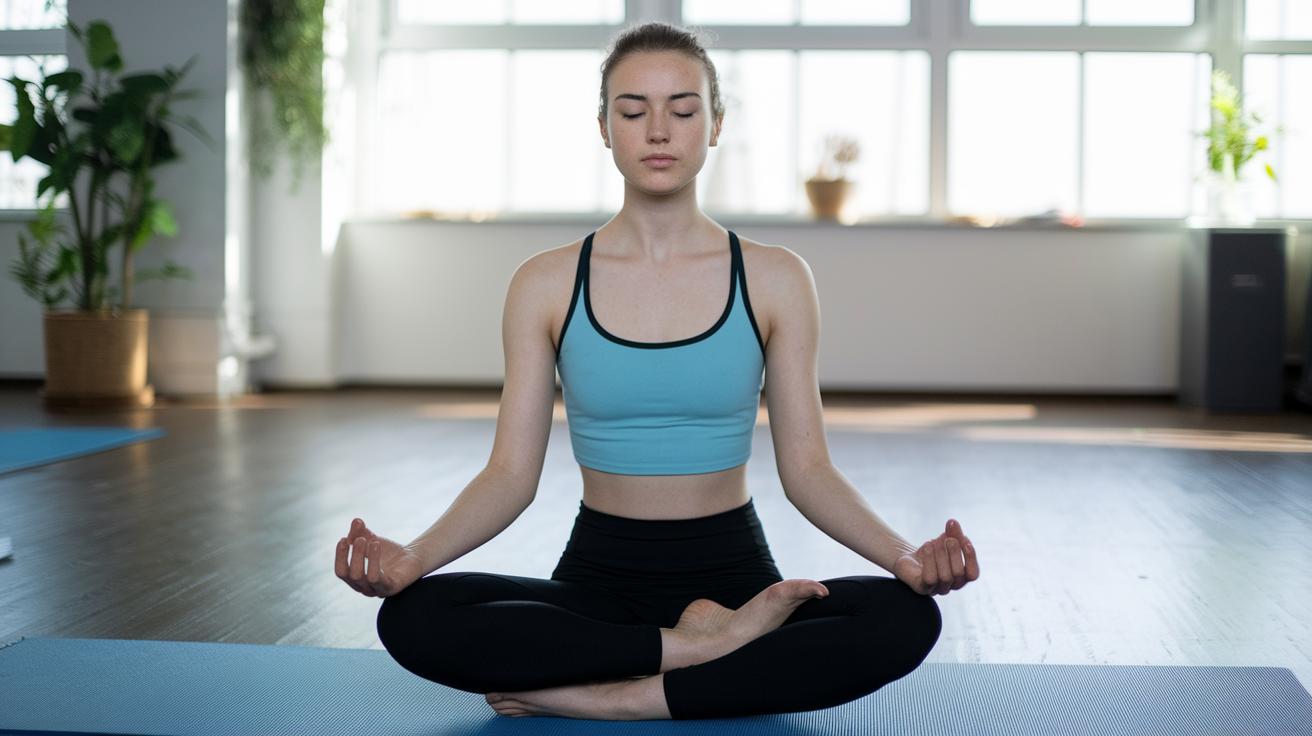
When you take deep, calm breaths, your body shifts into a more relaxed state. This simple act helps slow your heart and lower your blood pressure, setting the stage for a peaceful mind. It’s like giving your body a mini-break from worry. Studies show that mindful breathing not only cuts down stress but may also help manage pain from issues like fibromyalgia, migraines, or lower back discomfort.
One study from 2016 found that slowing your breath can ease pain without the need for strong medications. When you focus on each inhale and exhale, you naturally quiet those negative thoughts. This simple practice can lift your mood and smooth out feelings of anxiety or depression.
Science tells us that mindful breathing does more than relax you, it rebalances both your body and mind. The more often you practice, the better your heart gets at staying calm. Think of it as a friendly little reset during a tough day. Try it out and enjoy the lasting benefits that come with just a few mindful breaths.
Mindful Breathing Exercise: Embrace Inner Joy
Mindful breathing can easily fit into your everyday routine. Imagine pausing for a moment, maybe while you're gearing up for a job interview, sitting in traffic, or even brushing your teeth, to catch a few deep breaths and invite a comforting calmness. Whether you're trying to quiet your nerves before a first date or helping your body recover after a tough workout, a few mindful breaths can truly steady your thoughts.
Why not try a quick three-minute breathing break at work when things get hectic? Even teachers sometimes lead a brief breathing exercise in class to help everyone refocus. And if you're a student feeling stressed during exams, just a minute of focused breathing might help you feel more centered. Simple and fun breathing exercises work for kids too, helping them manage big emotions. Ultimately, taking a moment for mindful breaths can offer a gentle, reassuring pause during any stressful time.
Resources for Mindful Breathing Exercise: Guides, PDFs, and Video Tutorials
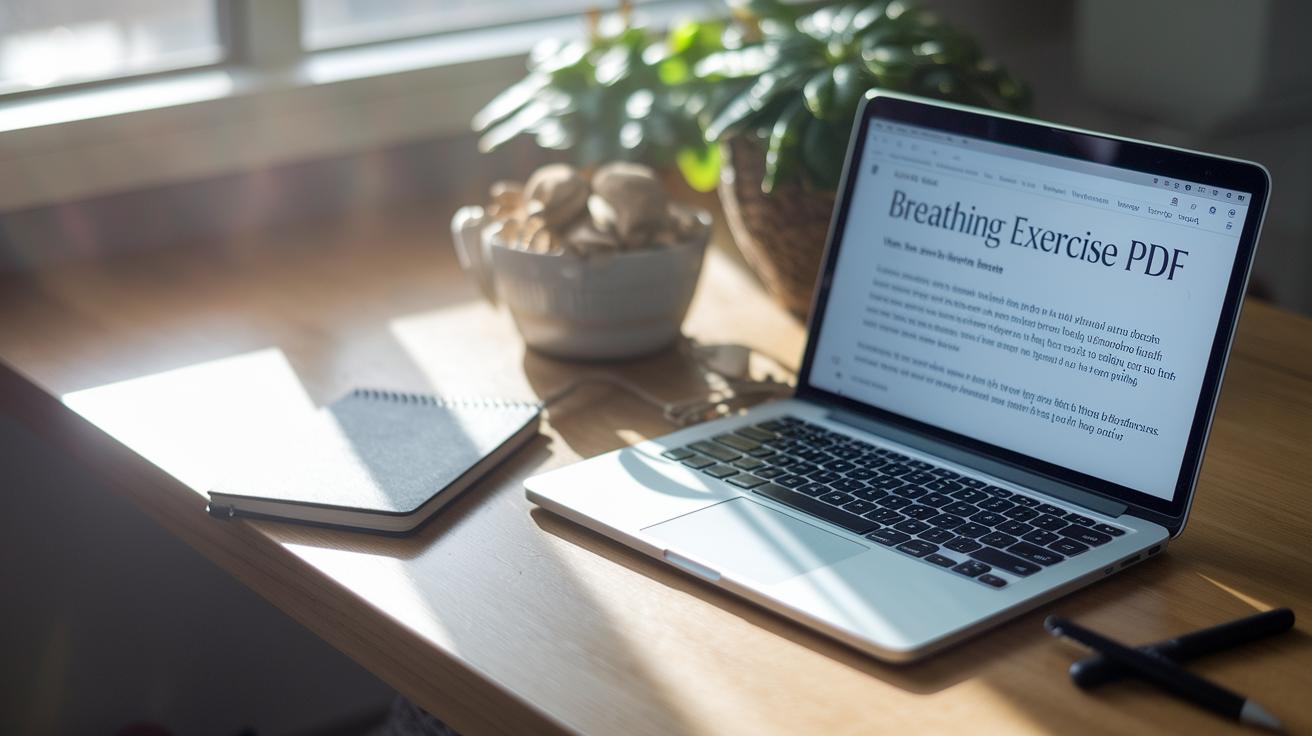
There’s a handy PDF you can download that walks you through three proven exercises to boost your mental, physical, and emotional health. It’s perfect if you’re curious about getting started with mindful breathing.
You might also enjoy a printable breath guide. This simple tool serves as a daily nudge, helping you remember your practice when you need a moment of calm.
If you want to dive right in, a free meditation script for breathing is available. Think of it like a mini-workshop you can do at your own pace, gently guiding you through each step of a mindful breathing session.
For those who like to have all the details sorted, there’s a downloadable practice manual. It’s filled with easy cues that keep your routine smooth and steady.
Plus, there’s a guided breath PDF that lays out structured exercises you can easily fit into your day.
And if you prefer visuals, five video tutorials, including YouTube demonstrations, show off different techniques so you can follow along and get that refreshing breath of clarity.
| Resource Type | Description |
|---|---|
| Downloadable PDF | Three exercises for mental, physical, and emotional health |
| Printable Breath Guide | A daily reminder to support your practice |
| Free Meditation Script | A mini-workshop to guide each mindful breathing step |
| Breath Practice Manual | Detailed, easy-to-follow cues for smooth practice |
| Guided Breath PDF | Structured exercises for daily routines |
| Video Tutorials | YouTube demonstrations showcasing different techniques |
Final Words
In the action, we explored what a mindful breathing exercise is, its soothing benefits, and easy steps to get started. We broke down simple techniques and timing options that help calm the mind and ease stress. There’s even science-backed evidence showing tangible effects on mood and heart rates. Practical tips for using this method throughout your day made it simple to integrate. Keep practicing, stay positive, and let this mindful breathing exercise bring a sense of calm into your everyday life.
FAQ
What is a mindful breathing exercise?
A mindful breathing exercise involves focusing on your natural breath to calm your mind and relax your body. It helps reduce stress and improves focus through intentional, simple practice.
What are the benefits of mindful breathing?
Mindful breathing benefits include lowering heart rate and blood pressure, easing anxiety, and supporting mood balance. This practice can also clear negative thoughts and boost overall mental clarity.
How can I access resources like a mindful breathing exercise PDF or script?
A mindful breathing exercise PDF or script offers clear, guided instructions that you can download. These resources provide easy-to-follow steps to help both beginners and regular practitioners maintain their practice.
How does the 4-7-8 breathing trick work?
The 4-7-8 breathing trick involves inhaling for 4 seconds, holding for 7 seconds, and exhaling for 8 seconds. This method helps slow your heart rate and calm the mind, promoting better sleep.
What is the 5-4-3-2-1 breathing exercise?
The 5-4-3-2-1 breathing exercise asks you to notice five things you see, four you can feel, three you can hear, two you can smell, and one you can taste. This technique grounds you in the present moment.
What is the 3-6-5 breathing method?
The 3-6-5 breathing method calls for an inhale lasting 3 seconds, a 6-second hold, and an exhale for 5 seconds. This approach supports calmness and helps you regain focus.
How do mindful breathing exercises adapt for adults, students, and kids?
Mindful breathing exercises can be adjusted to suit adults, students, and kids by using age-appropriate cues and durations. Adults and students may follow focused routines, while simplified versions support little ones.
What breathing exercises work best for beginners?
Breathing exercises for beginners start with short periods, like a 5-10 minute session of focusing on natural breath. Guided instructions or visual prompts can make it easier to start and stick with the practice.

