
Ever notice your muscles hit a plateau even when you’re lifting heavy? FST-7 mixes strong compound lifts, which work several muscles at once, with seven high-intensity pump sets to kick your muscle growth into gear. Picture your muscles getting a burst of energy with every pump set, paving the way for new growth. The idea is that stretching the fascia, a tough band covering your muscles, creates extra space for them to expand. So, are you ready to mix up your routine and boost your muscle gains with a fresh, effective method?
FST-7 Workout Overview: Method, Benefits, and Results
FST-7 stands for Fascia Stretch Training 7, a muscle-building method created by Hany Rambod. It starts with heavy compound exercises done in 8–12 reps that help build solid muscle density. Then, you hit seven high-intensity pump sets that really focus on the target muscle. Think of it like topping off your workout with a burst of energy that floods your muscles with blood.
Each pump set comes with a quick rest of 30–45 seconds to let the blood flow and stretch the fascia, the tough tissue around your muscles. This stretching creates extra room for muscle fibers, so your muscles can grow fuller and faster. You'll not only get an amazing pump during your workout but also notice better muscle fullness over time.
Before you start, a light dynamic warm-up gets your muscles and joints ready for the challenge ahead. This warm-up is important to prevent injuries and to set you up for a great pump session. FST-7 works best for those who already have a bit of experience and can keep good form on heavy lifts. It’s a straightforward way to boost your muscle growth, one pump set at a time.
FST-7 Workout Principles: Fascia Stretch and Pump Set Science

After you finish your heavy compound lifts, add on seven pump sets with a quick 30 to 45-second break in between. Picture doing a cable row pump set where every short rest keeps your blood flowing strong, helping your muscles feel that burning pump while your tiny capillaries widen up.
Train these big muscle groups with FST-7 just once a week so you don’t overdo it. This fresh twist keeps your workouts sharp and efficient without repeating the same moves over and over.
FST-7 Split Routine: Weekly Training Frequency and Periodization
If you’re looking for a smart way to mix heavy lifts with targeted pump sessions, try a 5–6-day split with the FST-7 method. This approach lets you focus on one muscle group each day and end with a pump session that increases blood flow and helps stretch your fascia for extra growth.
Here’s a sample week to get you started:
- Day 1: Chest and Triceps. Begin with solid compound moves like the bench press, then finish with pump sets using cable flies.
- Day 2: Back and Biceps. Start with exercises such as the bent-over row and wrap up with focused pump sets like reverse-grip lat pulldowns.
- Day 3: Shoulders. Pair heavy overhead presses with isolation sets like machine lateral raises for a full shoulder workout.
- Day 4: Legs. After squats or leg presses, hit the leg extension machine for pump sets that boost muscle fiber stimulation.
- Day 5: Arms or Active Recovery. Choose between more pump sets for your arms or spending the day on gentle movement to let your body recover.
- (Optional) Day 6: Extra active recovery or a session for smaller muscle groups if you feel up to it.
This routine blends heavy compound lifts with pulse-raising pump sets, helping you build both strength and muscle size. Plus, adding in rest or light recovery days after tough leg or back sessions can really help cut down on fatigue and support muscle repair. By targeting each body part with its own prime pump session each week, you can manage your training volume and steer clear of overuse, all while encouraging meaningful muscle growth.
FST-7 Exercise Routine Examples for Major Muscle Groups
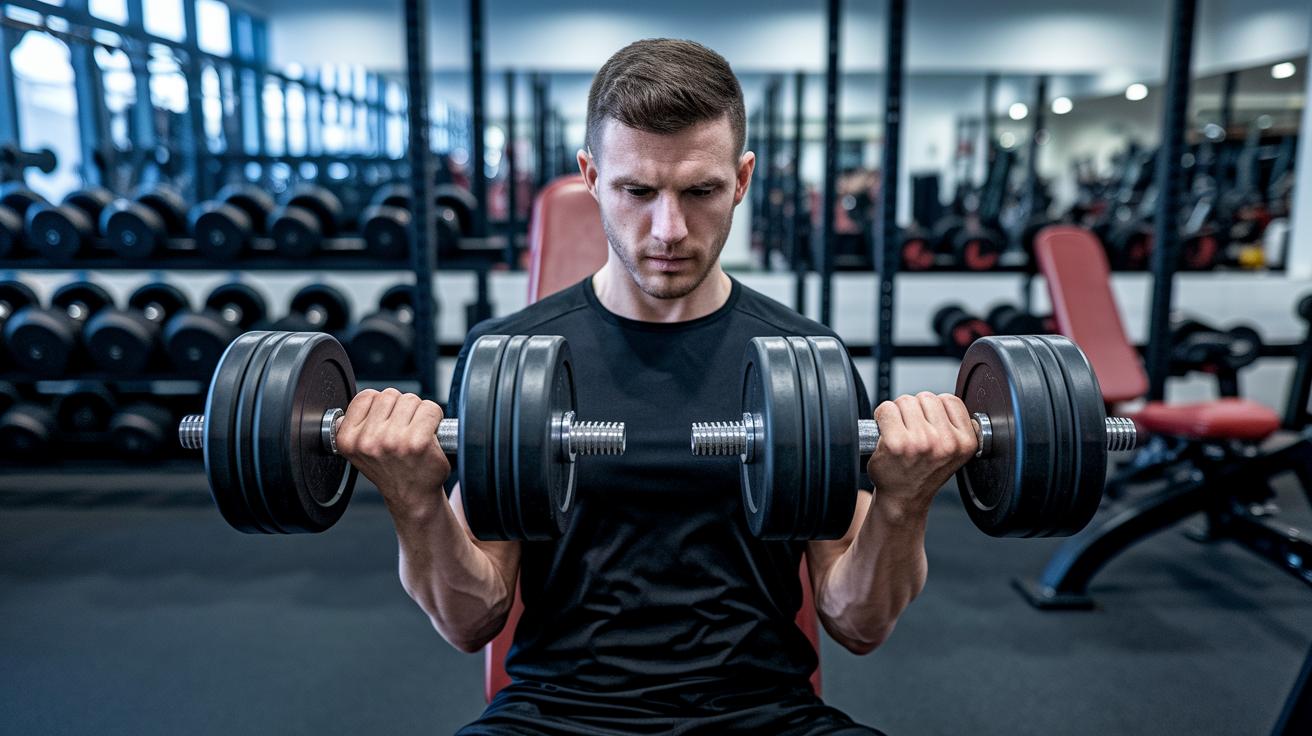
For your chest, start the routine with an incline dumbbell press done in 3–4 sets of 8–12 reps. Then move to a flat bench press for 3 sets of 8–12 reps. Finally, kick it up with a cable fly pump set in 7 sets of 12–15 reps. Imagine that last set, feeling each muscle fiber come to life as the blood surges through.
When you work your back, begin with moves like the reverse-grip lat pulldown, T-Bar row, cable seated row, and incline dumbbell row. Top it off with a straight-arm pulldown pump set, done in 7 sets of 12 reps. Picture that satisfying burn as every controlled rep sends energy straight into your lats. You can always check out our back day workout routine for more ideas.
For your shoulders, try seated lateral raises, front raises, and reverse pec-deck flys. Then finish with a machine lateral raise pump set in 7 sets of 15 reps. Think of the crisp snap of each lateral raise, and how that final set turns simple movement into a truly intense experience.
For a robust leg workout, combine the leg press in 4 sets of 8–12 reps with hack squats in 4 sets of 8–12 reps. Add in hamstring curls for 3 sets of 10–12 reps, and wrap it up with a leg extension pump set done in 7 sets of 15 reps. Picture that ultimate pump as a burst that deepens muscle tension and primes your legs for growth.
Each routine ends with a seven-set pump to stretch the fascia and fire up muscle recruitment, making every workout feel fully activated and ready to boost strength and size.
FST-7 Workout Variations: PDF Guides and Beginner Adaptations
Many trainers share free PDF guides that walk you through the FST-7 routine, making it easier to target every muscle group. You can usually download a plan that shows each exercise with clear, step-by-step instructions and helpful pictures. For example, one guide might suggest starting with a simple warm-up and finishing with pump sets to stretch out your muscles, so you know exactly how to follow along.
If you’re just starting out, there’s a beginner-friendly version of the FST-7 routine that uses five pump sets with 60-second rest periods instead of the usual seven. This way, you can learn proper form and build your tolerance before moving on to the full routine. Think of it like building your strength gradually, start small and slowly add more intensity.
And don’t worry if you don’t have a gym nearby. There’s a home workout version that swaps out machines for dumbbells or resistance bands while still giving you that effective muscle pump. This setup makes sure that everyone can enjoy the benefits of FST-7 safely and steadily, no matter where you are.
FST-7 Nutrition, Hydration, and Recovery Protocols
Fueling your body right is just as important as your gym work. Try having two solid meals 1–2 hours before you exercise. For example, a breakfast could include six egg whites, one omega egg, ¾ cup of oats, and ½ cup of fruit. This combo gives your body steady energy and helps start muscle repair even before your workout begins.
During your training, keep about 1 liter of water handy. Sometimes, you might want to alternate with a carb-based or thermogenic drink for an extra burst during those intense pump sets. Imagine yourself sipping water steadily, keeping your muscles fueled and ready for recovery. Aim to drink around one gallon of water throughout the day to help your muscles stay hydrated and recover well.
Right after your workout, within 15–20 minutes, grab a whey isolate shake mixed with fast-digesting carbs. This timing is key for jumpstarting muscle repair and growth. Then, 1–2 hours later, enjoy a low-fat, solid meal to continue supporting your recovery process.
Also, keep an eye on your sodium intake. A bit of extra sodium can help balance your fluids and even improve your pump. This small adjustment can move essential nutrients into your muscles, setting you up for better gains and a smoother recovery.
FST-7 Advanced Training Techniques and Intensity Modulation
Once you've got the basics of FST-7 down, it's a great time to mix in some new twists that pump up intensity and help your muscles grow even more. Try adding drop sets, supersets, or pyramid sets into your workout routine. These methods push your muscles in fresh ways and create that burn through a boost in metabolic stress. For instance, on your last pump set, lower the weight right after you hit fatigue, just last week I dropped mine by 20% and felt an amazing burn.
Keep your rest breaks short, around 30 to 45 seconds, to hold onto that strong muscle pump. You can also mix up your lifting speed. Think of doing a 2-second lowering (eccentric) phase, a quick 1-second pause, and then a 2-second lift (concentric) on your final set. This change in tempo shifts the work your muscles do, making things more challenging. And don’t forget about progressive overload; slowly increase your weights or shorten your rest periods as you get stronger. Sometimes, throwing in a couple of cheat reps at the end of your set can be just what you need if you hit a plateau, giving your muscles that extra nudge.
Playing with these different techniques keeps your workouts fun, fresh, and always moving forward on your fitness journey.
FST-7 Progress Tracking and Common FAQs

Gym lovers often ask how to keep an eye on their FST-7 progress. If you're not brand new to training and have built a good strength base, FST-7 might be the fun challenge you need. One quick tip: stick to one FST-7 session per week for big muscle groups so you give your body enough time to rest and get stronger.
Here are some common questions we hear:
-
What’s the perfect rep count?
Try doing 8–12 reps for your heavy compound lifts. For those extra pump-focused sets, aim for 12–15 reps. -
What kind of warm-up should I do?
A dynamic warm-up is a must. It gets your muscles and joints ready for a high-intensity workout, kind of like stretching out before a sprint. -
How do I handle soreness after a session?
It helps to cool down properly and stay well-hydrated. A good cool-down and enough water can really lessen that post-workout ache. -
What gear do I need?
While many people use machines and free weights for FST-7, even beginners can start with resistance bands or dumbbells.
Tracking your progress is as important as the workout itself. Keep a log of your sessions by writing down how pumped you feel, measuring your muscles, and noting any increases in strength. This simple habit not only helps you tweak your routine but also lets you celebrate every small win along your journey.
Final Words
In the action, we explored the ins and outs of the fst-7 workout, from its pump sets to the science behind stretching your fascia. We laid out the weekly split routines, training variations, and step-by-step guides to build strong, lean muscles. Tips on fueling up, staying hydrated, and making time for recovery were shared too. Each part shows how you can mix strength with that extra pump for a fuller, healthier physique. Embrace the fst-7 workout and keep pushing toward a fitter, balanced lifestyle.
FAQ
Q: What is the FST-7 method?
A: The FST-7 method is a training protocol created by Hany Rambod that uses seven high-intensity pump sets after compound exercises. It stretches the connective tissue to support fuller, enhanced muscle growth.
Q: What does the FST-7 workout plan PDF include?
A: The FST-7 workout plan PDF outlines a split routine with detailed exercises, rep schemes, rest intervals, and pump sets. It offers different levels and free versions to suit various training stages.
Q: How do you perform a FST-7 set?
A: A FST-7 set involves completing seven sequential pump sets using isolation exercises. Short rest periods of 30–45 seconds are maintained to boost blood flow and stretch the fascia for added muscle pump and growth.
Q: What is the code FST-7?
A: The code FST-7 stands for Fascia Stretch Training 7. It refers to the protocol’s seven pump sets that aim to expand the muscle’s connective tissue, driving a fuller muscle appearance and enhanced growth.
Q: What is the FST-7 workout split?
A: The FST-7 workout split organizes training into dedicated muscle group days. It combines heavy compound work with a final, exclusive pump set session to promote optimal recovery and muscle enhancement.
Q: Who created the FST-7 workout plan?
A: The FST-7 workout plan was developed by trainer Hany Rambod. It features a scientific approach with specialized pump sets and fascia stretching, tailored for those seeking advanced muscle growth and definition.

