
Have you ever wondered if there's an easier way to plan your workouts? Imagine a routine that gives your chest, back, and legs the spotlight they deserve, each workout feels like catching up with old friends.
Push pull leg training splits your routine into three simple sessions. Each session focuses on a different muscle group, ensuring every part of you gets the care and rest it needs.
It’s a lot like preparing a healthy meal. Every bite adds to your overall strength and energy. Ready to boost your workout routine and enjoy lasting results?
How to Structure a Push Pull Leg Exercises Routine
A push pull leg split breaks your workouts into three main sessions. One day, you focus on push exercises that work your chest, shoulders, and triceps. Another day is all about pull exercises that strengthen your back and biceps. The final day targets your legs from quads to calves. Switching between these groups means each one gets plenty of rest while still being trained twice a week.
There are several ways to plan this routine. You might start with a simple three-day plan where you cover push, pull, and legs each week. Or if you’re up for more, try a six-day plan that repeats the cycle twice. You can stick to set rest days or adjust your schedule around other commitments. It’s a bit like planning a family meal, set times can help keep things predictable, but sometimes a little flexibility makes it more fun.
This approach gives you a balanced mix of upper body moves, like pressing and rowing, along with solid lower-body work. It lets you design workouts that are easy to plan and still leave room for extra athletic drills or conditioning when you feel like trying something new. Pairing the right muscle groups helps reduce any overlap and speeds up your recovery.
The best part is that this routine is super easy to change as you get stronger or if your goals shift. With just the right mix of effort and rest, you’re setting yourself up for a workout program that builds strength and boosts your overall performance. Isn’t it great to know that every part of your body gets the care it needs?
Push Pull Leg Exercises: Power Up Your Workout
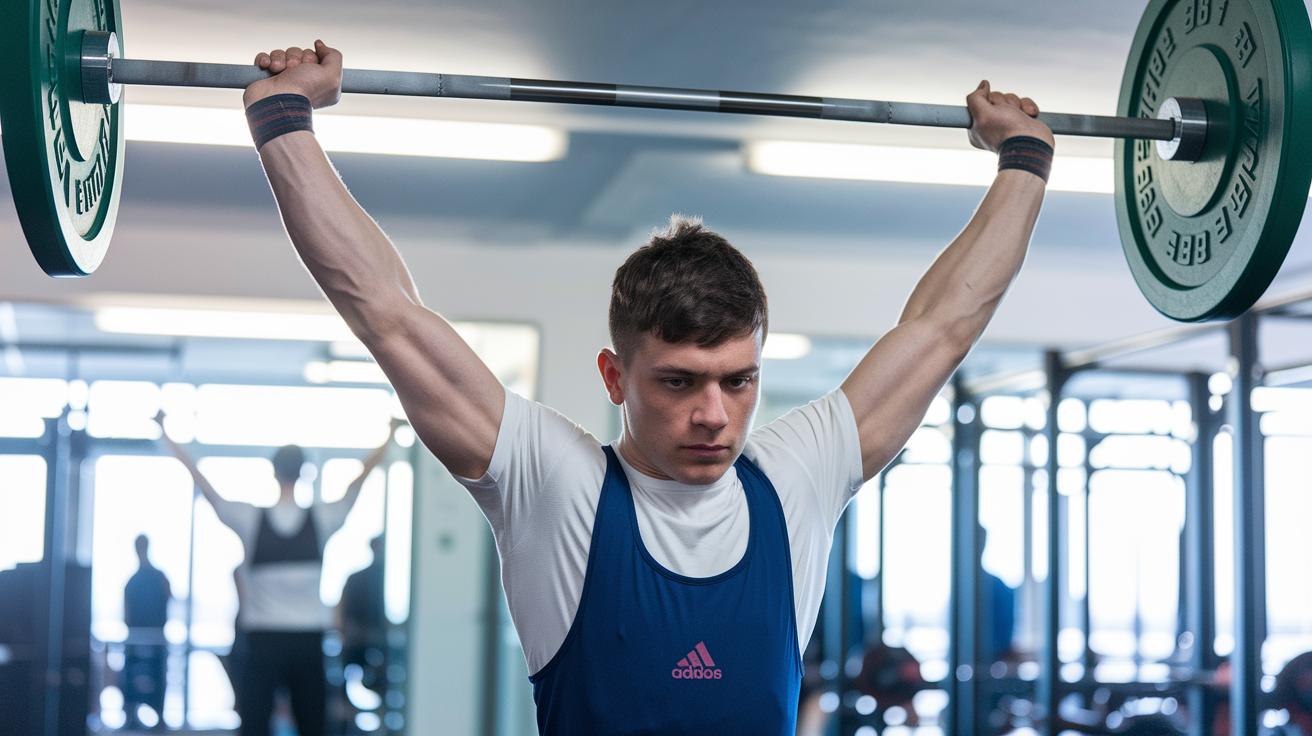
On push days, you're working hard to wake up your chest, shoulders, and triceps. Begin with a flat barbell bench press, doing 4 sets of 4-6 reps to build strength. Then, move on to overhead barbell presses (a move that focuses on your shoulders) for another 4 sets of 4-6 reps. Next, switch things up with hi-to-low cable crossovers for 3 sets of 10-12 reps to hit your chest from a fresh angle. Finish off with lying triceps extensions until you feel you’ve reached your limit, doing 3 sets of 10-12 reps, and don’t forget a set of rotator cuff external rotations (an exercise for strengthening smaller shoulder muscles) with 3 sets of 15-20 reps. Imagine powering through each rep like a gear shifting smoothly in a well-tuned machine, each set helps build energy for the next.
On pull days, focus on energizing your back and biceps with dynamic moves. Start with conventional deadlifts, doing one heavy set of 5 reps to work your whole backside (often called the posterior chain). Then, grab chest-supported rows for 3 sets of 8-10 reps to keep your form strong and steady. Follow up with dumbbell pullovers, completing 2-3 sets of 10-12 reps to give your lats a good stretch. Next, do weighted pullups for 3 sets of 6-8 reps, and smooth your workout out with straight-arm pushdowns for 2-3 sets of 12-15 reps, aiming for the back of your arms. Top it all off with a combo of barbell curls and face pulls for 3 sets of 15-20 reps that boost both your biceps and upper back.
Leg days are all about powering up your lower body. Kick things off with barbell squats, leaving a couple of reps in the tank, with 4 sets of 4-6 reps to build solid strength. Then, shift to barbell hip thrusts for 3 sets of 8-10 reps to really target your glutes. Next, try reverse lunges, doing 2-3 sets of 10-12 reps on each leg, to build balance and stability. Add in single-leg Romanian deadlifts and slick floor bridge curls for 2-3 sets of 10-12 reps each to keep your muscles engaged. Finally, finish up with standing or seated dumbbell calf raises for 3 sets of 12-15 reps to round out your leg workout.
Push Pull Leg Exercises Split Variations
One of the best things about a push pull leg routine is that it fits seamlessly into many lifestyles. In its simplest form, you set aside three days each week for a specific focus: one day for push movements, one day for pull movements, and one day for leg exercises. It’s like establishing a friendly, predictable rhythm that invites your body to get into a comfortable routine.
If you’re craving a bit more variety, a four-day split might be just the ticket. Here, you can set one day for push exercises, another for pull moves, and pair those with an extra leg day. This setup gives your muscles time to rest while still letting you mix in both upper body pressing and rowing movements. Imagine the refreshing change of pace, as satisfying as mixing up your favorite healthy snack!
For anyone who loves a challenge and heavy lifting, a five-day plan can really let you dive into the details. On this schedule, you dedicate separate days to focus on your main lifts and follow them up with accessory work. This means you can direct extra energy toward specific muscle groups, much like fine-tuning your favorite workout routine to match your personal goals.
Then there’s the six-day plan, which really ramps up your routine by repeating the push pull leg cycle twice in a week. With this approach, you work each muscle group more frequently while alternating between heavy and lighter sessions. For example, you might tackle one day with high-load sets, say, 6 sets of 6 reps, and then ease into another day with lighter weights and 12-15 repetitions. This alternating method not only helps manage fatigue but also keeps your workouts dynamic and engaging.
Proper Form Tips for Push Pull Leg Exercises

Keeping your body aligned is key during your workouts. When you're doing pressing or rowing moves, keep your back straight (a neutral spine) to protect your core and prevent injuries. Think of your spine as the solid base of a sturdy table that supports everything you do.
For bench exercises, try to keep your elbows about 45 degrees away from your torso. This angle not only works your chest and shoulders well but also helps protect your joints. Before you dive into squats or lunges, tighten your stomach muscles like you're getting ready to catch a fast-moving ball. And when you’re doing deadlifts, hinge at your hips, imagine folding a piece of paper gently, making sure it stays intact.
When you move on to pull exercises, pull your shoulder blades back to fully engage your upper back. Slow down the lowering part of each move (the eccentric phase) so you can really feel your muscles working.
And remember, more complex exercises that work several muscle groups together usually need about 2-3 minutes of rest to recover, while moves that target just one muscle might only need a 60-second break. Use solid exercise science tips to set your workout loads, keeping your progress steady without overloading your muscles.
Progression and Recovery Strategies for Push Pull Leg Exercises
Using progressive overload is like steadily turning up the challenge for your muscles. Instead of staying in the same spot, try increasing the weight, the number of reps, or even the density of your workout every one to two weeks. Think of it as slowly raising the stakes so your muscles can grow stronger without feeling overwhelmed. You might choose a system where you steadily add weight, or you could pick a cycle that lasts between four and twelve weeks to build up and then recover.
Keep an eye on some simple notes during your workout. For instance, after a set, jot down if you felt you could have easily done two extra reps, how much total weight you moved, and how hard the session felt. These small details are like friendly reminders that help you know when to push a little more.
Rest and active recovery are just as important as the workout itself. Taking designated rest days or just going for a brisk walk or some gentle yoga gives your muscles the time to repair. This recovery phase is key to seeing consistent progress, much like taking a short break in a long run. It might even be worth checking out some basics on muscle recovery to see what fits best for you.
A well-planned six-day schedule, alternating heavy days with lighter sessions, works wonders. One day, you might focus on heavy sets to build strength, and then switch it up the next day with lighter weights and more reps to boost endurance. This balanced approach keeps each muscle group active twice a week while making sure you get plenty of time to rest.
Common Mistakes to Avoid in Push Pull Leg Exercises
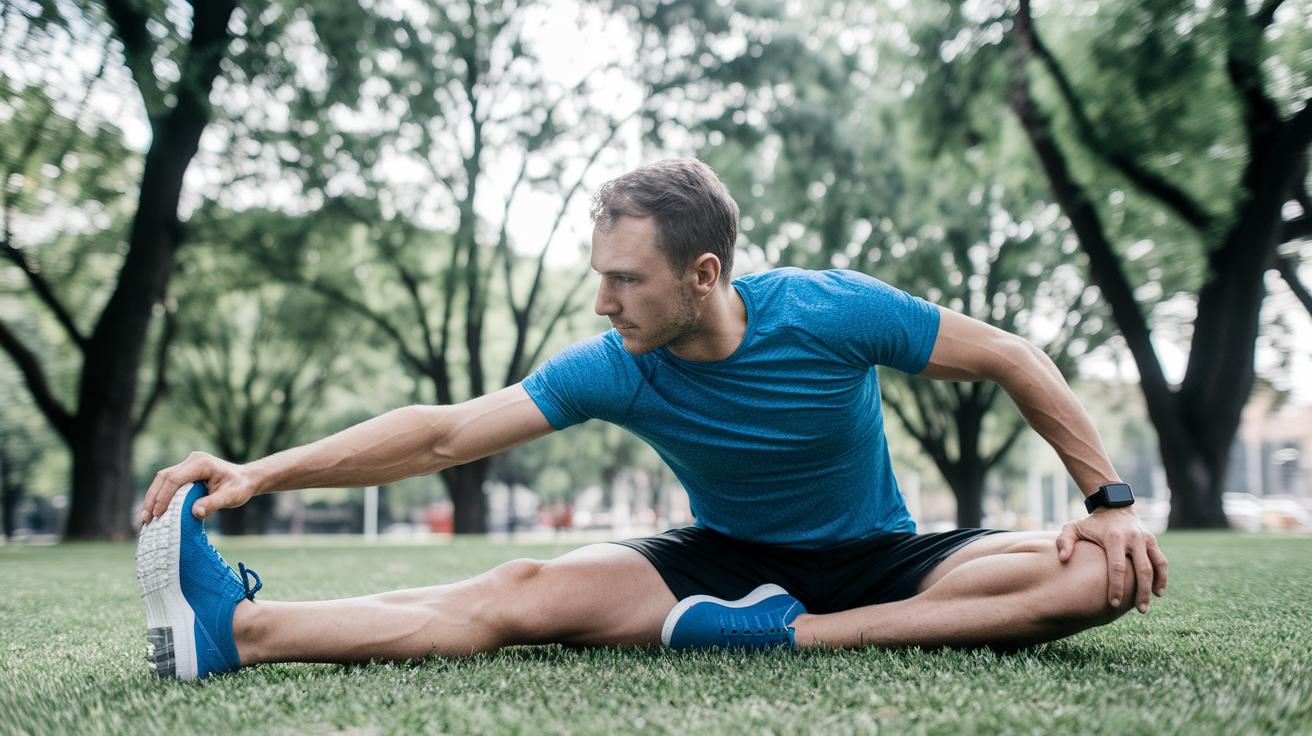
One common slip-up is stacking heavy pull workouts right before or after leg days. This close timing can overwork your hamstrings (the muscles at the back of your thighs) and slow down recovery. Skipping a proper warm-up or a few mobility exercises is another frequent misstep. A simple series of dynamic stretches can wake up your muscles, much like the refreshing feel of a brisk morning breeze.
- Putting heavy pull and leg days too close together, which stops your muscles from recovering well.
- Not warming up or doing mobility work, which raises your chances of injury.
- Sticking to a strict three-day cycle without planning any lighter weeks, leading to burnout.
- Running sessions longer than 60 minutes without breaks, which can tire you out.
- Following the same workout order when your schedule really needs some flexibility, throwing off your routine.
Skipping these key steps can make your exercise routine feel like you're just running in place, and it may slow down your progress. Try mixing up your schedule, incorporating rest or lighter workout weeks, and always start with a proper warm-up. This little bit of planning can help keep your workouts enjoyable and set you up for long-term success.
Final Words
In the action of mastering your workout routine, this guide breaks down how to alternate days of upper body presses, pulls, and leg exercises. It shows you easy ways to set up your schedule, maintain proper form, and gradually boost your strength, all while staying mindful of recovery. Small adjustments can make a big impact on your overall health and energy. Enjoy the benefits of a well-rounded routine with push pull leg exercises, and keep moving forward with confidence.
FAQ
Q: What are the common variations of push pull legs workout routines?
A: The push pull legs routine organizes workout sessions into push, pull, and leg days. Variations include 3-day, 5-day, and 6-day splits, with many PDFs available to help you plan effectively.
Q: What are some beginner-friendly push pull legs exercises?
A: Beginner routines typically use compound moves. Push days include bench press and overhead press; pull days feature bent-over rows; and leg days focus on squats and lunges to build balanced strength.
Q: Is push pull legs workout routine effective?
A: A push pull legs split is effective because it balances muscle group work while providing ample recovery time. This structured approach helps build strength and improve overall fitness.
Q: Does the 6-12-25 method work in a push pull legs routine?
A: The 6-12-25 method, which adjusts reps and load, provides varied intensity. It offers both strength and endurance benefits, though individual outcomes can depend on training consistency and experience.
Q: Are leg exercises categorized as push or pull?
A: Leg exercises aren’t strictly push or pull. Movements like squats and lunges combine pushing and pulling elements, ensuring all major lower-body muscles are engaged for balanced development.
Q: What are key exercises in a push pull legs routine?
A: Key exercises include push moves like overhead press, bench press, and overhead triceps extension; pull moves such as bent-over row and side lateral raise; and leg moves like squat, lunges, and deadlifts.

