
Have you ever felt like your workout just isn’t giving you the results you crave? Maybe it's time to try a push pull legs split. This workout breaks your session into three parts so you focus on pressing, pulling, and leg exercises one at a time. It lets your muscles relax while you work on the next group, keeping your body balanced and strong. Ready to switch things up, feel the satisfying burn, and enjoy a simpler, effective routine?
Understanding the Push Pull Legs Split Structure
This workout plan breaks your exercise routine into three simple groups. You have push exercises (that work your chest, shoulders, and triceps), pull exercises (that target your back and biceps), and leg workouts (which focus on your quads, hamstrings, and calves). Over a 28-day cycle, this plan ensures that while one muscle group is working hard, another has time to rest and grow stronger.
There are two ways to follow this routine. One option is a three-day schedule where you exercise each group once a week, ideal if you’re just starting out. The other is a six-day version that repeats each workout twice every week, a great choice if you have more experience. Think of it like picking your favorite meal plan, you get enough variety and repetition without feeling overwhelmed.
A big part of this method is its steady progression. Major exercises like the bench press, squat, and deadlift use a set percentage of the heaviest weight you can lift one time (your one-rep maximum) to decide your weight for each set. This helps your muscles grow bit by bit and teaches you how to lift safely, almost like following a well-measured recipe where every step matters.
Rest is built right into the plan too. For the heavier, compound lifts, you take a break of 2 to 3 minutes, while lighter, isolation exercises call for about 60 seconds of rest. This routine of work and rest is based on exercise science ideas and helps you build strength and size without overdoing it.
The cycle lasts for either 7 weeks if you’re at an intermediate level or 6 weeks if you’re more advanced. This gradual step-up in intensity gives your body time to adapt and get stronger with each workout.
Key Push Day Exercises in a Push Pull Legs Routine
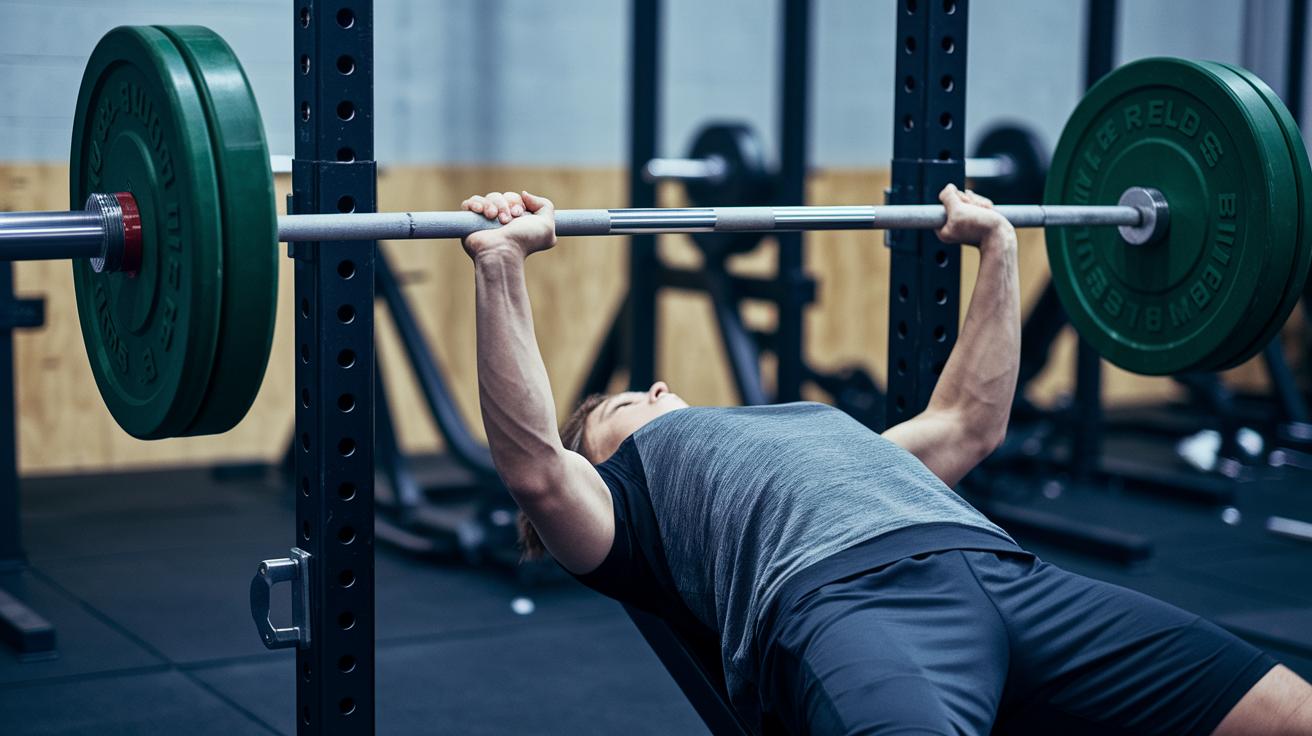
Push day is a great time to focus on your chest, shoulders, and triceps. Imagine starting with a heavy pressing move like the barbell bench press or dumbbell chest press (a weight exercise done on a bench) to build your strength gradually. You work at a pace that uses a percentage of the most weight you can lift once, helping your muscles grow bit by bit.
Then, add an overhead press such as the military press (an exercise where you lift weights above your head) to give your shoulders a solid boost. For your triceps, try exercises like tricep pushdowns or skull crushers (a move that isolates the triceps) so you can keep them engaged without overworking. To top off the session, a chest exercise like the cable fly or dumbbell fly (a movement that gently works the chest muscles) helps add detail and shape while keeping the effort balanced. You can even throw in one more chest isolation move and an extra accessory exercise for overall upper body strength.
| Exercise | Description |
|---|---|
| Barbell or Dumbbell Bench Press | A key move to build chest strength on a bench. |
| Military or Seated Dumbbell Shoulder Press | Lifts your weights above your head to strengthen your shoulders. |
| Tricep Pushdown or Skull Crushers | Isolates your triceps to help them grow stronger. |
| Cable Fly or Dumbbell Fly | Focuses on detailing your chest muscles. |
| Additional Chest Isolation Move | An extra exercise to fine-tune your chest workout. |
| Accessory Upper Body Exercise | Boosts overall upper body power and balance. |
Resting is important too. Take about 2–3 minutes between the heavier compound moves and roughly 60 seconds after the isolation exercises to let your muscles catch up. Enjoy each step of your workout and celebrate the little victories that lead to a balanced and healthy body!
Essential Pull Day Movements for Push Pull Legs
Pull day focuses on working your back, biceps, and rear shoulders using a mix of heavy lifts and more focused exercises. Start with a big compound move – try the deadlift or the lat pulldown (an exercise where you pull a weight down with your arms and back). This first move sets the tone for building strength by using a portion of your one-rep maximum (how much you can lift once) to decide your weight.
Next, switch to row exercises like the barbell bent-over row or a single-arm dumbbell row. These moves hit the middle of your back and can help improve your posture. Then, add a move for the back of your shoulders, such as face pulls or reverse flies (an exercise that targets the rear shoulder muscles). This helps build stability. Finally, finish off with an exercise that isolates your biceps – options like barbell curls or hammer curls work well to fine-tune your pulling strength.
Key points to remember:
| Exercise Type | Options |
|---|---|
| Compound Lift | Deadlift or Lat Pulldown |
| Accessory Row | Bent-Over Row or Single-Arm Dumbbell Row |
| Rear Shoulder Exercise | Face Pull or Reverse Fly |
| Biceps Isolation | Barbell Curl or Hammer Curl |
Rest for 2–3 minutes after your heavy lifts and about 60 seconds after the isolation moves. This break helps your muscles recover and keeps your workout safe and effective.
Optimal Leg Day Routine in a Push Pull Legs Split

Leg day is about boosting both strength and balance in your legs. Start with moves that focus on your quads, like squats or leg presses (a type of exercise that works several muscles at once). Think about the refreshing crunch with each rep as you connect with your strength, gradually increasing the weight based on a fraction of your one-rep max. This gentle approach helps you build power steadily.
Then, shift your focus to exercises that work the back of your legs. Try hamstring moves like Romanian deadlifts or leg curls. They balance out your quad exercises perfectly. You can also add calf exercises, such as standing or seated calf raises, to develop extra lower leg power. It’s cool to feel each muscle working as you move.
Finally, finish off with an accessory exercise, like lunges or glute bridges, to enhance your overall stability. Take a break of 2–3 minutes after those heavy compound sets and about 60 seconds following your isolation moves. This lets your muscles recover nicely and keeps your form safe and strong. Enjoy each step of your journey to stronger, balanced legs!
Sample Weekly Schedule for Push Pull Legs: 3-Day vs. 6-Day
Planning your workout week can feel as friendly as having a chat with your best wellness buddy. For those just starting out, a three-day gym routine is a great option. It splits your sessions into push days (exercises where you push weights away from your body, like chest and shoulder presses), pull days (moves that pull weights towards you, such as rows), and leg days. For example, you might choose push exercises on Monday, switch to pull moves on Wednesday, and reserve Friday for leg workouts. This schedule gives your muscles plenty of time to recover and lets you build skills slowly.
For friends who are more experienced, a six-day structure might be just the ticket. In this plan, you work out almost every day, repeating each type of session within a week, and take one rest day in the middle. This extra frequency challenges your muscles a bit more, helping to build strength while still allowing time to rest and repair. Typically, intermediate routines last about 7 weeks, while advanced ones run close to 6 weeks.
Next, take a look at the schedule below to see exactly how each plan fits into your week:
| Day | Three-Day Split | Six-Day Split |
|---|---|---|
| Monday | Push | Push |
| Tuesday | Rest | Pull |
| Wednesday | Pull | Legs |
| Thursday | Rest | Push |
| Friday | Legs | Pull |
| Saturday | Rest | Legs |
| Sunday | Rest | Rest |
Each approach is tailored to help you progress at a comfortable pace while building strength and enjoying your workouts along the way. So, whether you’re easing into a new fitness routine or looking to challenge your muscles further, pick the plan that fits your vibe and savor every step of your journey.
Programming Tips for Beginners on Push Pull Legs
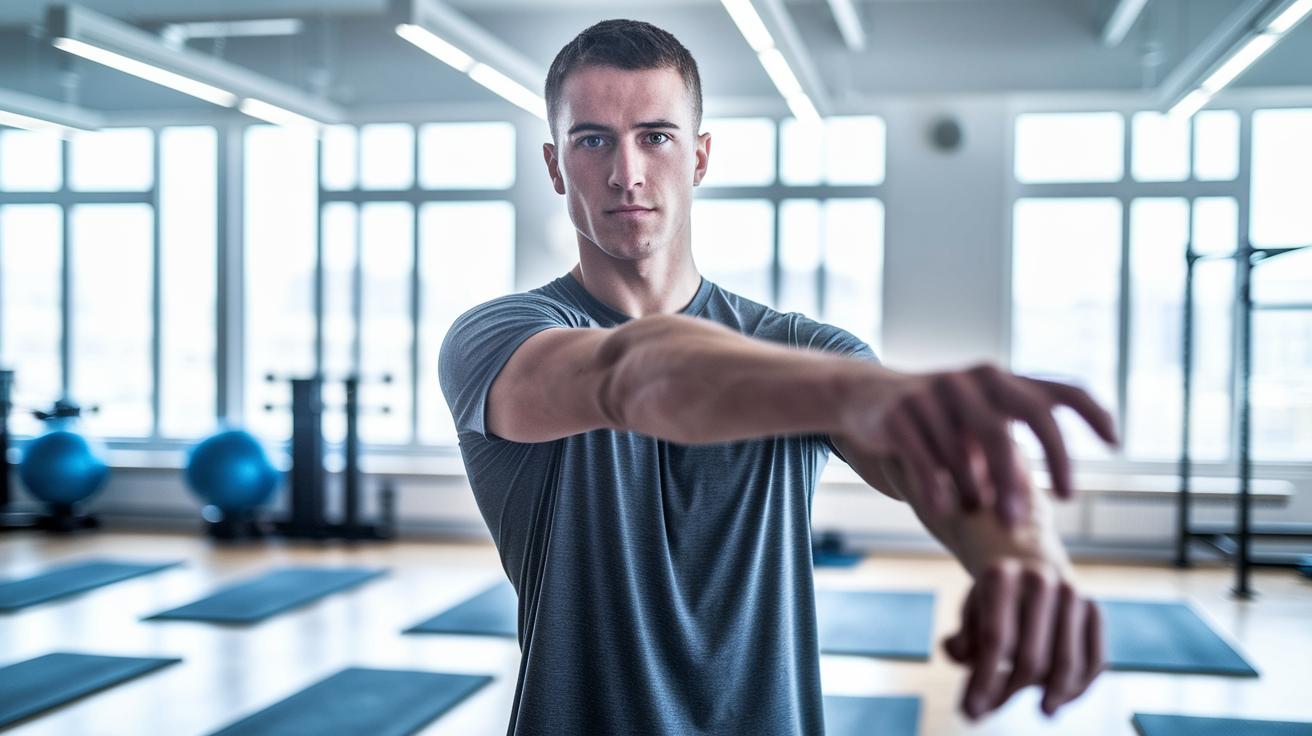
If you’re just starting out with push pull legs, begin with a simple three-day routine. Focus on perfecting your movements and maintaining a good form before you add a lot of heavy weights. In each workout, warm up with some easy dynamic stretches, like arm circles and leg swings, so your body is ready to move and grooving.
Keep the exercise sets moderate; aim for 3 or 4 sets of each exercise with about 8 to 12 times per set. This way, you build your strength slowly and safely. Every week, try to add a bit more weight or do a couple more repetitions. This steady increase (often called progressive overload, which is a method of gradually increasing the workout challenge) helps you improve over time. It’s kind of like starting with that weight that feels just right and tweaking it as your body grows stronger.
Also, remember to give your muscles time to rest. Make sure you leave at least one full day off between your workout sessions. This break is key to helping your muscles recover and prevent burnout. Here are some main tips to keep in mind:
- Start with a three-day push pull legs workout routine.
- Do 3–4 sets for each exercise and keep it around 8–12 repetitions per set.
- Warm up properly with some dynamic stretches or simple mobility drills.
- Gradually increase the weight or the number of reps each week.
- Always allow one full rest day between your workout sessions.
Stick with these steps, and you’ll set up a balanced and effective training routine that helps you progress safely.
Advanced Programming Strategies for Push Pull Legs Success
For those ready to take their workouts up a notch, a six-day push pull legs routine can really revitalize your training. Many experienced lifters follow a six-week plan that shifts the focus each week, balancing heavy strength days with lighter, muscle-building phases. Imagine using a percentage of your one-rep max (the heaviest weight you can lift once) on big lifts. On strength days, you might work with 4-6 reps using heavier weights, and then switch to 8-12 reps with lighter loads when focusing on growing your muscles.
Mixing in simple but effective techniques can really boost your session. Ever tried pairing two exercises back-to-back without rest? That’s a superset, and it keeps your muscles guessing. You might also explore drop sets (reducing the weight mid-set to push your effort further) or vary your speed during reps. These little tweaks not only spice up your routine, they help you grow stronger and build more muscle. Keeping a workout tracker handy can be a game-changer, letting you see your progress and adjust your plan as you go.
It’s important to keep an eye on your weekly training volume too. Tracking your total workload and taking rest breaks (about 2-3 minutes on tougher days) helps ensure you’re not overdoing it. This careful planning means fewer injuries and more steady gains. Feel free to experiment with slight changes, like tweaking rep ranges or trying out new intensity techniques, until you find what feels right for you. These smart strategies create a dynamic routine that builds strength and muscle in a balanced, effective way.
Final Words
in the action, we uncovered the nuts and bolts of a push pull legs workout program. We broke down push day drills, pulled apart essential back moves, and tackled leg day routines with clear rest and progression tips. The schedule options and programming advice for beginners versus advanced athletes bring practical steps into focus. With simple, easy-to-follow guidance, every workout builds strength and balance for a rewarding lifestyle. Stay positive, keep moving, and enjoy the power of your new push pull legs routine.
FAQ
Q: What is the push pull legs workout routine PDF?
A: The push pull legs workout routine PDF provides a detailed guide on how to structure your workouts with push, pull, and leg exercises, offering tips and sample routines for balanced training.
Q: How does a 3-day push pull legs split work?
A: The 3-day split organizes your training into one push, one pull, and one leg day per week, balancing exercise focus and recovery while making it ideal for busy schedules.
Q: How does a 6-day push pull legs split work?
A: The 6-day split repeats push, pull, and leg workouts twice weekly, offering increased frequency and intensity to help boost muscle strength and improve overall performance.
Q: What about a 5-day push pull legs split?
A: The 5-day split is a variation that adds an extra workout day, letting you target specific muscle groups again or add more volume for greater strength gains.
Q: Is there information on push pull legs on Reddit?
A: Reddit features discussions and user experiences that share practical tips and personal adjustments to the push pull legs routine, providing real-world advice from fellow fitness enthusiasts.
Q: What is a push pull legs split?
A: A push pull legs split divides workouts by movement types—pushing exercises for chest, shoulders, and triceps; pulling moves for back and biceps; and leg exercises for lower-body strength—enhancing recovery and muscle balance.
Q: Is there a 4-day push pull legs split?
A: A 4-day split adapts the push pull legs method for a shorter weekly routine by combining sessions or focusing extra on weak areas, making it flexible for those with tighter schedules.
Q: What exercises are included in the push, pull legs exercises list?
A: The list typically features compound and isolation moves such as bench presses, overhead presses, triceps extensions, bent-over rows, face pulls, and deadlifts to effectively target major muscle groups.
Q: Is push pull legs actually effective?
A: The push pull legs method is effective because it groups similar movements to optimize muscle recovery and growth, making it a favored structure for those aiming to improve strength and balance.
Q: Does the 6 12 25 method work?
A: The 6 12 25 method blends rep ranges for strength, muscle size, and endurance, and it can work well when consistently applied, though its success often depends on personal training goals and form.
Q: Is six days of PPL too much?
A: A six-day PPL split can be demanding but works well for advanced lifters who manage recovery, proper nutrition, and rest, while beginners might consider starting with a three-day split.
Q: Is a 3-day PPL split effective?
A: A 3-day PPL split is effective for beginners and those with limited time by focusing on proper form, balanced workload, and ample recovery, leading to steady strength and muscle gains.
Q: What is the overhead press?
A: The overhead press is a compound exercise that targets the shoulders and triceps by pushing a weight upward, enhancing upper-body strength and stability during training.
Q: How does the side lateral raise work?
A: The side lateral raise focuses on the shoulder muscles by lifting weights outward from your body, helping to build definition and increase shoulder strength in a controlled manner.
Q: What is a bent‑over row?
A: The bent‑over row is a compound movement that works the back muscles by pulling a weight from a bent‑over position, promoting overall back thickness and improved posture.
Q: What is the overhead triceps extension?
A: The overhead triceps extension isolates the triceps by extending a weight overhead, which fortifies the upper arm and complements other pressing movements used on push days.
Q: What is a face pull?
A: A face pull targets the rear delts and upper back by pulling a cable or band towards your face, improving shoulder stability and helping balance your upper-body strength.
Q: What is a deadlift?
A: The deadlift is a core compound exercise that lifts weight from the ground, engaging the hamstrings, glutes, and lower back, and is key for building overall strength and power.

