
Ever thought about whether your meals are really fueling your active lifestyle? A balanced meal with proteins (the building blocks that help repair muscles), fats (energy sources for long-lasting fuel), and carbohydrates (quick energy to keep you moving) might surprise you with its power.
Imagine your plate as a puzzle where every piece has its own important role. When these nutrients work together, they help repair your muscles, keep hunger at bay, and give you the energy you need for a busy day.
This guide is like a friendly chat about how to plan meals that keep you feeling strong and full of energy. Have you noticed how a good meal can boost your workout or even brighten your mood? Let’s explore how smart food choices can truly support an active, balanced lifestyle.
Fundamentals of Macros Balanced Meals
When you plan your meals with the right mix of proteins, fats, and carbohydrates, you're treating your body kindly. Proteins (the tissue-repairing building blocks found in foods like chicken or Greek yogurt) help fix and build muscles. Fats (like those from olive oil or avocado) give you steady energy for workouts and everyday tasks. And carbohydrates (think rice or sweet potatoes) provide the quick energy your body loves for daily activities.
Ever heard of the 40/30/30 rule? It means that 40% of your meal should be carb-powered energy, while 30% should come from protein and another 30% from healthy fats. This balanced layout helps control hunger and fuels your day without any energy crashes. Research finds that keeping your macros (short for macronutrients) balanced may help smooth out hunger signals, which can make it easier to manage your weight. Imagine your plate as a puzzle, with proteins, fats, and carbs each fitting perfectly into place, without any piece missing, you're more likely to feel strong when it's time to recover after a challenging workout.
Stick with this simple guide to build meals that energize your day, repair your muscles, and keep you feeling your best. It's a smart, easy-to-follow method that supports a lively, active lifestyle.
Meal Planning Essentials for Macros Balanced Meals
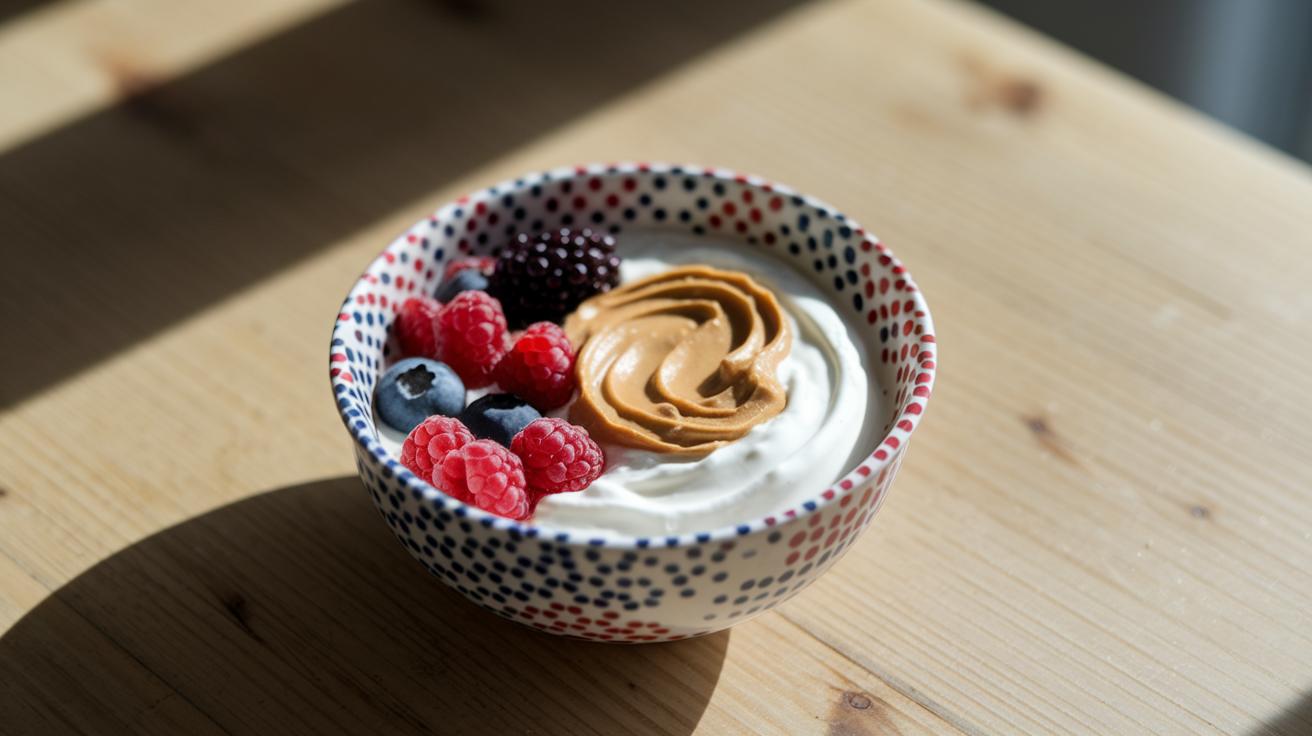
Imagine starting your day with a delightful breakfast that truly powers your morning. A bowl of Greek yogurt packs about 20 grams of protein (which helps build and repair muscles), and a handful of berries adds roughly 30 grams of energy-boosting carbohydrates. A small dollop of peanut butter brings in around 12 grams of fat for a rich, creamy finish. Did you know that switching up your breakfast can lift your energy levels, much like stepping out for a brisk morning walk?
Come lunchtime, a turkey sandwich is a wonderfully balanced option. Picture two slices of whole-grain bread providing almost 40 grams of carbohydrates paired with 4 ounces of lean turkey offering about 28 grams of protein (important for keeping you full and strong). A touch of mayo and a slice of cheese adds roughly 12 grams of fat, blending the flavors perfectly. Try mixing in different veggies or a light spread to keep your mid-day meal fresh and fun.
For dinner, you might enjoy a creative taco bowl. Combine 1 cup of rice and beans, which gives around 45 grams of carbohydrates, with 5 ounces of lean turkey that supplies an estimated 30 grams of protein. Top it off with ¼ cup of guacamole that adds about 10 grams of healthy fat (good for energy and cell function). It’s satisfying to see how each ingredient plays its part in helping you meet your daily goals. Balancing your macros can be easy, delicious, and a great match for an active lifestyle.
Strategies for Macro Distribution in Balanced Meals
A common way to plan a balanced meal is to aim for about 40% carbohydrates (foods like bread, rice, or pasta), 30% protein (think lean meat or beans), and 30% fats (like avocado or olive oil). This setup gives you steady energy and helps keep hunger away. If you're chasing more rapid fat loss, try switching it up to 30% carbs, 40% protein, and 30% fats. This extra protein can keep you feeling satisfied throughout the day.
For muscle-building, many people adjust their ratios even more. Some prefer around 35 to 40% protein, 35 to 45% carbs, and 20 to 25% fats. Imagine a post-workout meal with warm grilled chicken, vibrant quinoa, and crisp, fresh veggies. It not only helps repair your muscles but also leaves you ready for the next challenge.
If you lean toward a lower-carb lifestyle, you might limit carbs to 20 to 30% and up the fats to between 40 and 50%, while keeping protein at about 20 to 30%. Picture a protein-rich salad filled with avocado and a splash of citrus for that extra zing. And remember, nutrient timing is key. Enjoying a higher-carb meal before or after a workout, like a hearty bowl of oatmeal before an intense session, can give your body the boost it needs.
Tips and Tools for Crafting Macros Balanced Meals

First off, try working out how many calories you need each day. Once you know that number, break it down using a mix like 40% carbs, 30% protein, and 30% fat. This simple split shows you exactly how much of each nutrient to include in every meal.
Using a digital kitchen scale and measuring cups can really help keep your portions in check. Imagine weighing your chicken, rice, and veggies so that every bite fits perfectly into your plan. It’s all about making your daily routine as smooth and predictable as a morning stroll.
You might find nutrition-tracking apps or even an Excel sheet super handy here. They let you log your ingredients and figure out your macros automatically, which means less time crunching numbers and more time enjoying your cooking. And hey, batch-cooking on the weekends, imagine prepping a big batch of grilled chicken, steamed veggies, or quinoa, can make weekday meals so much easier.
Have you ever checked out a resource like the Everyday Macros cookbook? It’s packed with simple recipes, batch-prep tips, and practical advice that can turn meal planning into an enjoyable part of your day.
7-Day Macros Balanced Meals Blueprint
Planning your meals for the week can turn a rushed morning into a calm, satisfying start. When you lay out a full schedule, the daily scramble fades away, and your plate stays balanced with ease. Mixing protein (like chicken, beef, or plant-based options), carbohydrates (such as rice, whole grains, or quinoa), and healthy fats (from nuts, avocado, or olive oil) means you get a rich variety of nutrients while keeping every meal tasty. Imagine waking up to a breakfast that fills you with energy, enjoying a lunch that keeps you going, and wrapping up your day with a dinner that helps your muscles recover after a good workout.
Here’s a simple weekly plan that lays out delicious and nutrient-packed ideas for breakfast, lunch, dinner, and snacks:
| Day | Breakfast | Lunch | Dinner | Snack |
|---|---|---|---|---|
| Monday | Greek Yogurt, Berries, Peanut Butter | Turkey Sandwich with Whole-Grain Bread | Taco Bowl with Rice, Beans, Lean Turkey | Apple & Almonds |
| Tuesday | Oatmeal with Banana & Honey | Chicken Salad Wrap | Grilled Salmon, Quinoa & Steamed Veggies | Carrot Sticks & Hummus |
| Wednesday | Smoothie with Spinach, Protein Powder & Berries | Veggie-Packed Quinoa Bowl | Stir-Fried Beef, Rice & Mixed Veggies | Greek Yogurt with Honey |
| Thursday | Egg White Omelet with Veggies, Toast | Tuna Salad on Whole Grain Crackers | Chicken, Sweet Potato & Broccoli | Mixed Nuts & Dried Fruit |
| Friday | Whole Grain Pancakes with Berry Compote | Turkey & Avocado Wrap | Shrimp Stir-Fry with Rice Noodles | Fresh Berries & Cottage Cheese |
| Saturday | Chia Pudding with Mango | Grilled Chicken Caesar Salad | Beef Chili with Brown Rice | Sliced Pear with Walnuts |
| Sunday | Scrambled Eggs with Spinach, Whole Wheat Toast | Lentil Soup & Side Salad | Roasted Pork with Quinoa & Asparagus | Banana & Peanut Butter |
Planning your meals like this gives you control over your day and helps maintain a strong, active lifestyle. Each meal is designed not just to be healthy but to make you feel good, whether it’s the crunch of fresh toast at breakfast or the cozy warmth of a well-seasoned dinner. With these balanced choices, even your snacks help keep hunger at bay. This 7-day blueprint is all about effortlessly building healthy habits and enjoying every bite along the way.
Customizing Macros Balanced Meals for Specific Goals

Tuning your meal plan can really make a difference. If you’re looking to lose weight, try shifting your plate to about 30% carbs, 40% protein, and 30% fats. Stick with fiber-rich carbs like crunchy veggies and whole grains that keep you full and satisfied. Imagine a lunch of lean chicken paired with steamed broccoli and a scoop of quinoa. For extra inspiration, you might want to check out this link: balanced meals to lose weight.
If muscle building is your goal, consider boosting your protein to around 40%, keeping carbs at 40%, and dialing fats down to 20%. Picture a hearty post-workout wrap stuffed with turkey, slices of creamy avocado, and whole-grain tortillas, the perfect fuel after a tough workout. And if you’re curious about a keto-friendly plan, you could drop carbs to just 5–10%, increase fats to about 70%, and include 20–25% protein. This approach helps your body slip into ketosis (when your body burns fat for fuel) in a natural way.
Plant-powered meal plans are another great option. Focus on proteins from legumes, tofu, and nuts while keeping a balanced mix of carbs and healthy fats. Or, if intermittent fasting suits your lifestyle, shorten your eating window and plan nutrient-packed meals that hit your daily macro targets. Each balanced bite can help boost your energy and keep you feeling great.
Feel free to play around with these ratios until you find the perfect match for your lifestyle and workout needs. Sometimes a few small tweaks really add up to lasting, positive changes.
Final Words
In the action of transforming daily meals into vibrant, energy-boosting rituals, we unpacked the science behind macros and laid out real meal ideas. By breaking down proteins, carbs, and fats in simple ways, the guide shows how to enjoy balanced nutrition without stress. Embracing macro ratios, including the popular 40/30/30 split, empowers you to build a meal plan that supports strength, weight control, and mental clarity. Onward with your healthy, satisfying routine built on macros balanced meals.
FAQ
Frequently Asked Questions
What is a balanced macro meal and what does the 40/30/30 meal plan mean?
A balanced macro meal has proteins, carbs, and fats in set proportions. The common 40/30/30 plan means 40% carbs, 30% protein, and 30% fat, supplying your body with steady energy and support.
What macros should I eat for each meal?
The ideal macro split for each meal adjusts to your needs. Generally, include whole-grain carbs for energy, lean proteins for muscle support, and healthy fats for lasting satiety throughout the day.
What are some good macro meal ideas for weight loss?
Good macro meal ideas for weight loss feature high-protein dishes like lean turkey wraps, veggie bowls with whole grains, and balanced dinners. These meals help keep energy steady while naturally managing portion control.
How can I make macro balanced meals suitable for beginners and families?
Beginners and families can start with simple recipes like Greek yogurt breakfasts and turkey sandwiches. Using easy-to-measure portions and familiar ingredients makes crafting balanced meals both fun and manageable.
Where can I find macro friendly recipes in PDF format?
Macro friendly recipe PDFs offer clear, ready-to-use guides with nutritional info and step-by-step instructions. These documents simplify meal planning and help you stay on track even on your busiest days.

