Nutrition
Macro Balanced Meals Boost Health And Energy
By robertgrahm
July 15, 2025
Field Notes
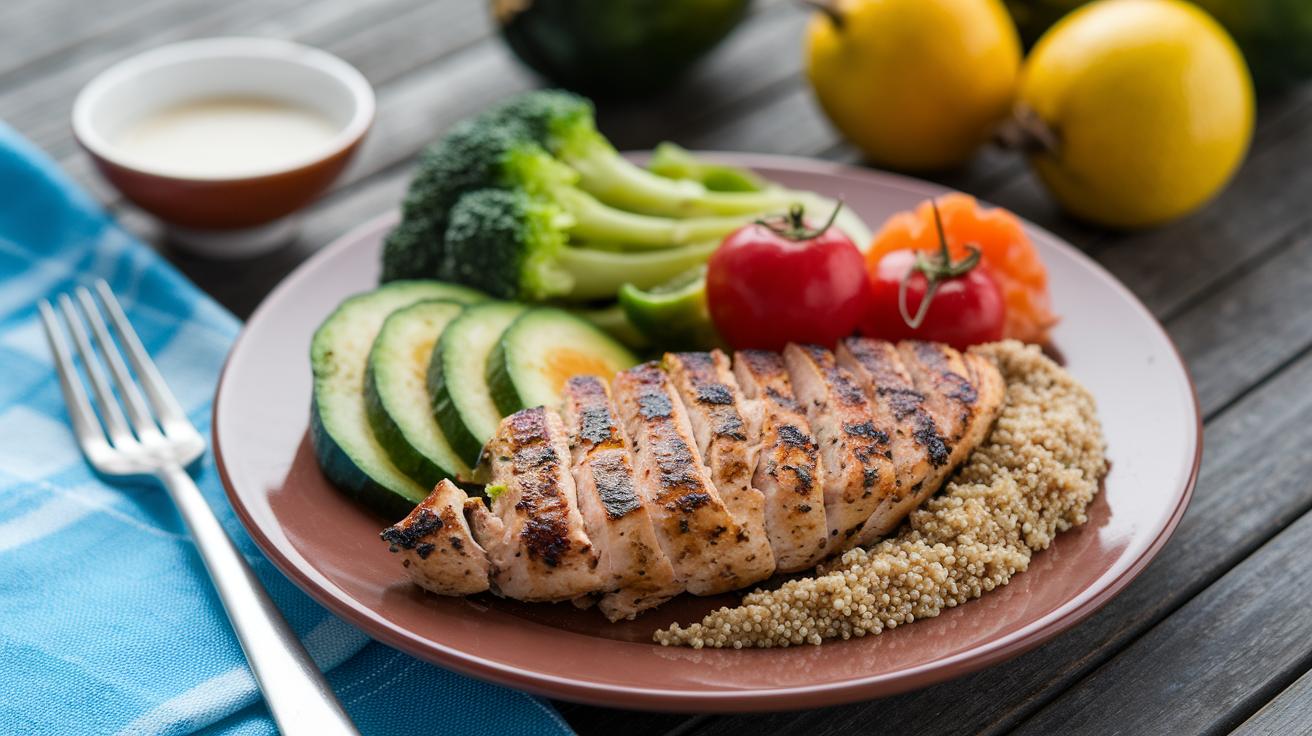
Have you ever noticed some meals leave you feeling tired? It might be because they lack the right fuel. A balanced meal with proteins (the building blocks that help repair and build muscles), carbohydrates (your body's main energy source), and fats (nutrients that give you lasting energy) can power you through the day.
Imagine your plate as a simple blueprint that helps your body work at its best. Every bite gives your muscles the support they need and keeps your energy flowing steadily. Small tweaks to include these three key food groups can make a big difference in both your mood and overall health.
Macro Balanced Meals Boost Health and Energy
Eating well means making sure you get three main ingredients in your meals: proteins, carbohydrates, and fats. Proteins (the nutrients that help build and mend your muscles) come from lean meats, eggs, and beans. Carbohydrates (the fuel that keeps you moving all day) are in whole grains, fruits, and vegetables. And fats (the helpers that let your body absorb vitamins and support cell functions) can be found in avocados, nuts, and seeds. Sometimes, a food combines these elements, a donut, for example, gives you both carbohydrates and fats, while egg whites are almost pure protein.
Balancing these nutrients is super important for staying lively and healthy. Many folks like to follow a mix of 40% carbohydrates, 30% protein, and 30% fat. Of course, there are variations like 40/35/25 or 50/30/20 based on what works best for you. Think of your plate as a simple blueprint: fill half with fresh vegetables, add a quarter of lean protein, and complete the rest with whole grains. This way, every meal is set up to support both your daily activities and your overall well-being.
Calculating Macros for Personalized Macro Balanced Meals
Have you ever wondered how to give your body just the right fuel? Knowing your unique calorie needs and dividing them into carbs, proteins, and fats gives you a crystal-clear plan for enjoying a balanced lifestyle. It’s a bit like setting your own personal recipe, one that feeds your body, powers your workouts, and keeps you energized for all your daily adventures.
When you work out your exact numbers, you can tweak your meals to suit any goal, whether that’s losing a little weight, building muscle, or simply keeping your energy levels steady throughout the day. Experts usually start by figuring out your total daily energy expenditure (the total calories you burn in a day) and then tailoring your macronutrient intake accordingly. For example, some people do well with a 40/30/30 setup, while others might find a 50/30/20 split fits their busy, active lives just right.
Here’s a simple plan to help you get started:
- First, calculate your basal metabolic rate (BMR, the calories you burn while at rest) and add in your daily activity level.
- Next, choose a macro ratio that fits your lifestyle, like 40/30/30 or 50/30/20, to balance your carbs, proteins, and fats.
- Then, plug these numbers into a reliable macro calculator tool. For instance, if it suggests 200 grams of carbs, 150 grams of protein, and 65 grams of fat, you know exactly what to aim for.
- Review your results and adjust if you plan extra workouts or need more energy.
- Finally, jot down your daily targets in a nutrition-tracking app to help you stay on track.
Following these easy steps means every bite you take works toward a balanced, healthy, and energetic life. Enjoy the journey and watch as small changes create big, positive shifts in how you feel every day!
Meal Planning Strategies for Macro Balanced Meals
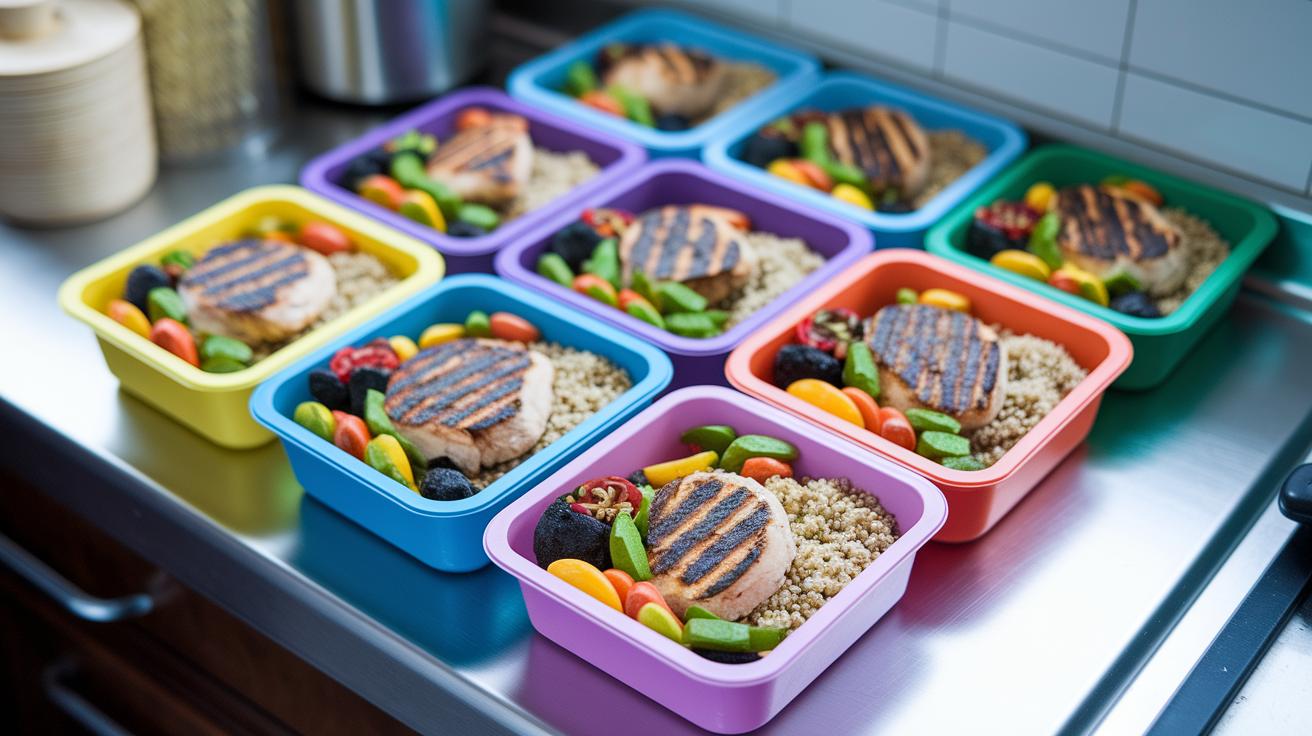
Meal planning doesn’t have to be a big, complicated task. Picture your day with a filling breakfast, a lively lunch, a satisfying dinner, and some fun snacks in between. It’s all about mixing proteins (like beans or chicken), carbohydrates (think rice or whole grains), and healthy fats (avocado or olive oil) so every meal feels just right. A handy cookbook, like the Everyday Macros collection with 30 simple ideas, can really spark your creativity. And when you cook proteins in bulk, say, grilling chicken or boiling eggs ahead of time, you’re always ready to add a nutritious boost to your meals. One-pot recipes can be a lifesaver too, especially on those busy evenings when you need a healthy dinner without all the fuss.
Being smart in the kitchen comes down to a little planning and breaking tasks into smaller steps. Try chopping your vegetables at the beginning of the week so they’re ready to toss into salads, stir-fries, or soups. It’s a bit like prepping for a fun cooking video, you set the stage and then enjoy the process. Recipes that use just one or two pans mean you spend less time cleaning up and more time enjoying the food. And if you freeze single-serve portions, you’ve got a ready meal waiting for those hectic days. Little kitchen hacks like these can lift a weight off your plate, keeping your meals both delicious and stress-free.
| Tips | Description |
|---|---|
| Batch-cook proteins | Prepare proteins for the week to easily boost any meal. |
| Pre-chop and portion vegetables | Cut up veggies early so they’re ready for salads, stir-fries or soups. |
| Use one-pot or sheet-pan recipes | Cook simple meals that keep cleanup easy. |
| Freeze single-serve portions | Have ready-to-go meals available on your busiest days. |
| Quick cooking shortcuts | Try techniques like air fryer meals for a faster cook. |
| Smart grocery shopping lists | Create lists that streamline your shopping and meal prep. |
| Utilize free planner templates | Organize your meal planning with easy-to-use templates. |
Macro Balanced Meal Templates: Breakfast, Lunch, and Dinner
Imagine starting your day with a breakfast that energizes you without slowing you down, enjoying a lunch loaded with proteins to keep you sharp during a busy day, and finishing with a dinner that aids muscle repair while satisfying your cravings. These meal ideas mix carbohydrates (the body's quick energy source), proteins (which help build and repair tissues), and healthy fats (that help your body absorb nutrients) into dishes that truly delight both your taste buds and your energy needs.
Every meal is designed for balance and simplicity. For example, think about a low-carb option that gives you a burst of energy in the morning, or a high-protein lunch that fills you up and keeps you focused. And at dinner, the combinations help with muscle recovery after a long day or a workout. Plus, you'll love that these plans can be tweaked easily, swap an ingredient here or adjust a portion there without losing flavor or nutrition.
| Recipe | Calories | Fat | Carbs | Protein |
|---|---|---|---|---|
| Breakfast Quesadillas | 355 kcal | 21 g | 6 g | 29 g |
| Chocolate Overnight Oats | 348 kcal | 6 g | 45 g | 31 g |
| Chicken Noodle Soup | 313 kcal | 5 g | 24 g | 34 g |
| Apple Pecan Salad | 386 kcal | 23 g | 22 g | 30 g |
| Chicken Divan | 250 kcal | 9 g | 19 g | 24 g |
| Sheet Pan Chicken Fajitas | 449 kcal | 15 g | 31 g | 46 g |
Each recipe has been thoughtfully crafted to offer a perfect balance of healthy nutrients without any fuss. The breakfast quesadillas, for example, give you a hearty boost, while the chocolate overnight oats serve up a sweet and nutritious treat. Other dishes, like the chicken noodle soup and apple pecan salad, are not only comforting but also pack the right mix of flavors and nutrients to suit a variety of needs. These meal plans make it easy to mix things up in your daily routine. So go ahead, experiment with these ideas and enjoy a balanced, delicious journey to better health!
Special Diet Considerations in Macro Balanced Meals
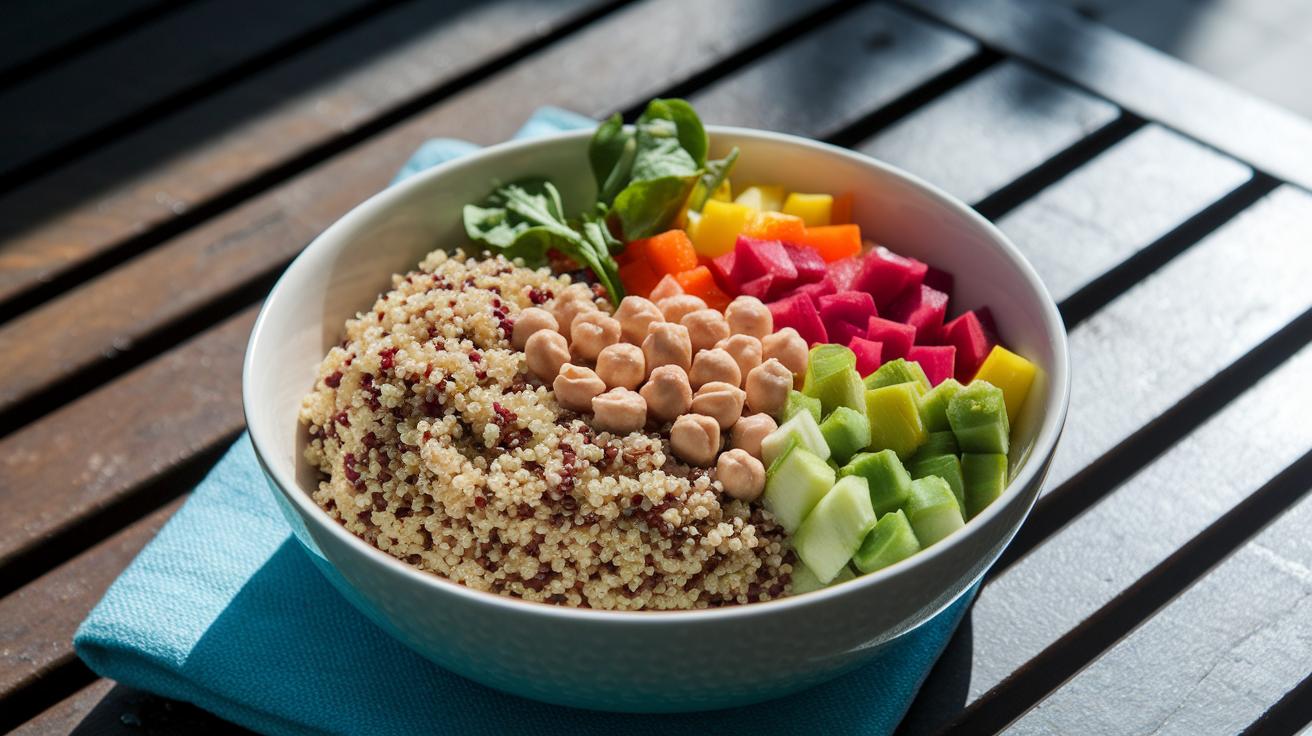
When you plan meals without animal products or dairy, there are lots of simple swaps that keep your plate both nutritious and tasty. Instead of relying on animal proteins, try using legumes or tofu for a solid hit of protein (the stuff that helps build your muscles). For fats, ditch butter or cheese and go for natural options like nuts or avocado. And whole grains like quinoa not only offer carbohydrates (the fuel your body runs on) but also keep meals feeling light and fresh. Picture a colorful bowl bursting with quinoa, hearty chickpeas, and crisp vegetables, each bite a pleasant mix of flavor and nourishment.
If you need to avoid gluten or dairy, don’t worry, there are plenty of delicious and balanced ideas for you too. Swap out wheat-based items for gluten-free grains such as rice or buckwheat, and use almond or coconut milk in place of dairy for your sauces or smoothies. Even your favorite salad can be transformed by tossing in tofu, beans, or dairy-free cheese, opening you up to fun, new flavors. These thoughtful ingredient changes let you enjoy meals that are both balanced and perfectly suited to your specific dietary needs.
Monitoring Progress & Adjusting Macro Balanced Meals

Keeping track of your progress is a smart way to understand how your body uses the fuel you give it. Try noting basic details like your weight, body measurements, and even a quick remark on how you feel after a workout. For example, write down if you feel energized or if your clothes are fitting a bit differently. Also, notice how full you feel after you eat (that’s your satiety level). This helps you see if your body is happily using the right mix of proteins, carbohydrates, and fats to keep you moving throughout the day.
Every two to four weeks, take a moment to review your notes. If you find your energy dipping before a workout, you might need a little more protein (a nutrient that helps repair muscles). Or, if you’re getting too full or not eating enough, adjust your portions slowly. These observations are your guide to making tiny changes that suit your lifestyle. Being honest with yourself about what works and what doesn’t is a great way to keep a plan that supports both your body composition and your mindful eating habits.
Final Words
In the action, this article explored how knowing your macronutrients helps build a balanced lifestyle. We began by breaking down proteins, carbs, and fats and how they work together in macro balanced meals. Then, we showed clear steps to calculate your targets and plan meals that suit your busy life. We even shared recipe ideas and smart tips for tracking changes along the way. Keep experimenting, stay curious, and enjoy the boost of energy that a balanced approach brings.
FAQ
What does a macro-balanced meal mean and what does a 40/30/30 meal look like?
A macro-balanced meal means your plate is divided into balanced portions of proteins, carbs, and fats. For example, a meal with a 40/30/30 ratio provides 40% carbohydrates, 30% protein, and 30% fat.
What are some good macro meal ideas, including dinner recipes?
Good macro meal ideas blend lean proteins, whole grains, and healthy fats. Dinner options might include grilled chicken with roasted veggies or a stir-fried tofu bowl, offering both flavor and balanced nutrition.
How can beginners create a macro friendly meal plan?
Beginners can start by using simple recipes like one-pot dishes and clear meal plans. Online macro calculators and tracking apps help set daily targets that match your lifestyle and nutritional needs.
What are some macro-balanced meal ideas for families?
Family macro meals mix lean proteins, whole grains, and plenty of vegetables to suit varying tastes. Simple dishes, like a veggie-packed casserole or stir-fry, ensure everyone enjoys balanced, nutritious meals together.
How do macro recipes support weight loss and offer high protein options?
Macro recipes for weight loss often focus on high protein to help control hunger and preserve muscle. They combine quality proteins with complex carbs and healthy fats to keep you satisfied and energized.
Where can I find a macro friendly recipes PDF?
A macro friendly recipes PDF is available on trusted wellness websites. Such guides provide clear, balanced recipes and practical tips to simplify your meal planning and support your healthy eating habits.