
Ever feel like your workout routine is stuck in a rut? Maybe it's time to mix things up so each muscle group gets a little break. Picture splitting your week into special days for pushing, pulling, or focusing on your legs, each workout lasting around 60 minutes.
This plan easily fits into your busy day and even leaves room for a bit of light cardio or some fun accessory moves. Try it out and notice how your muscles bounce back stronger, much like the refreshing burst you feel after a brisk morning run. Have you ever felt that renewed energy after switching things up? Give it a try and see how it lifts both your strength and spirit all week long.
Push Pull Leg Schedule Fundamentals
The push pull leg schedule switches up your workouts between push, pull, and leg days. This way, each muscle group gets its needed rest while still staying active. It’s like giving your muscles a little break so they can come back even stronger. Workouts usually last around 60 minutes, making it easy to fit into your day.
There are two popular ways to set this up. If you choose the three-day split, you work on one specific muscle group per session each week, say, Monday, Wednesday, and Friday. This gives you extra days for light cardio or some fun accessory exercises. It’s perfect if you prefer a gentler, more relaxed routine. On the other hand, a six-day split means you work on each muscle group twice a week. This option lets you mix up the exercises a bit to keep your routine fresh and exciting.
Rest days are just as important. With a consistent split, you might take rest every weekend, which makes it easy to plan your week. Or you could switch it up and move your rest day from week to week, giving you a bit more flexibility. This blend of routine and variety can really help you build balanced strength and size while fitting nicely into any lifestyle.
Designing a Three-Day Push Pull Leg Schedule

This workout plan breaks your week into three focused sessions that keep your body moving and recovering naturally. On Monday, you dive into push exercises that work your chest, shoulders, and triceps. Come Wednesday, it’s all about pull moves to target your back and biceps, and on Friday, you give your legs some love by building strength in your quads, hamstrings, and glutes. Having a full day between sessions lets your muscles repair, kind of like enjoying the crisp crunch of a fresh apple after a brisk jog.
Have you ever noticed how a little break can make you feel refreshed? With these rest days, you can even sneak in some light accessory work or a bit of cardio. Picture stepping into Monday, feeling upbeat and energized, ready to power through your push workout and set a positive tone for the rest of the week.
| Day | Focus | Example Exercises |
|---|---|---|
| Monday | Push | Barbell bench press, overhead press |
| Wednesday | Pull | Conventional deadlifts, chest-supported rows |
| Friday | Legs | Barbell squats, reverse lunges |
This balanced schedule is simple yet effective, supporting smooth muscle recovery and steady progress without overwhelming your daily routine. So, why not give it a try and see how these sessions can fit right into your lifestyle?
Push Pull Leg Schedule: Energize Your Workouts
This six-day routine is perfect if you’re looking for a balanced way to challenge your body. It targets every major muscle group twice a week while keeping each workout to about 60 minutes. Think of it like a steady rhythm where you work hard, then give yourself time to recover.
The secret? Switching between two workout variations, often called A and B. One week, you might focus on explosive strength with one set of moves; the next week, you shift gears to build endurance with different angles and a few extra reps. This mix keeps your muscles guessing, like a refreshing breeze on a morning run that recharges you for the day ahead.
Key features include:
- Fixed rest days that set your weekend aside for recovery, giving you a predictable break after two full cycles.
- Rotating rest days that adjust week by week, great for those whose schedules change.
- A mix of workout variations to keep things fresh and help you avoid plateaus.
- Sessions designed to last around 60 minutes so you can push your limits without burning out.
By blending fixed and flexible rest days with alternating workout styles, you get a dynamic plan that sparks energy and keeps your progress on track. It’s like mixing your favorite tunes into a workout playlist, every session feels a bit different, and your body stays motivated and balanced.
Progression and Periodization in Push Pull Leg Schedules
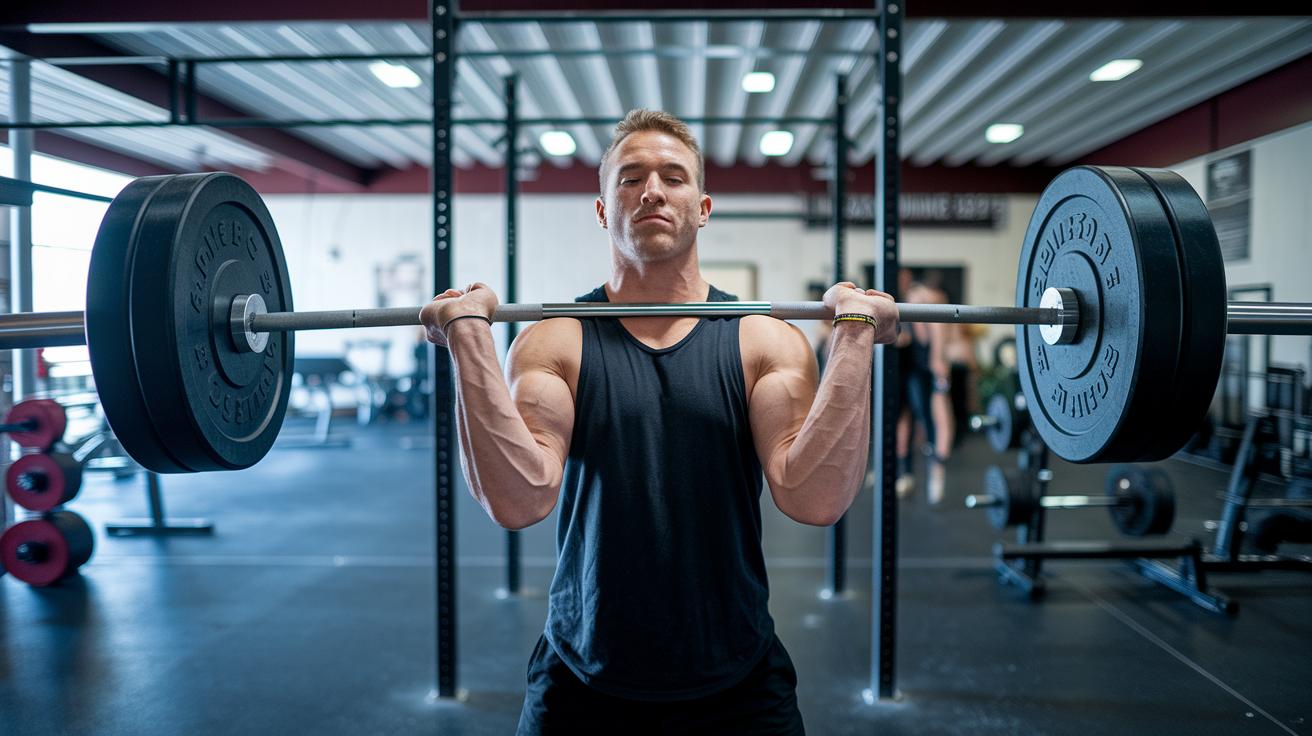
At StrengthLog, many people feel encouraged by the simple, step-by-step method that helps you gradually lift heavier weights. It works by adding a small bit of weight based on a percentage of your one-rep max (the heaviest you can lift one time) for exercises like the bench press, squat, and deadlift. This way, you steadily build strength while keeping good form, and your muscles keep adapting instead of falling into a routine.
For heavy compound exercises, like squats or bench presses, you can take 2 to 3 minutes of rest between sets to catch your breath and stay strong. Meanwhile, moves that target just one muscle group, such as triceps extensions, only need about 60 seconds of rest. These well-timed breaks help your muscles recover and keep your energy up for the next set.
Next, if you need even more ideas, you might want to check out how to design a science-based workout plan. A neat tip is to slowly add either extra weight or more volume each cycle so your workouts keep challenging you, much like adding a little extra spice to your favorite healthy recipe. With this approach, your push pull leg schedule will help you overcome plateaus and make every workout feel fresh and rewarding.
Have you ever felt that satisfying burst of progress after a good session? It really makes the hard work all the more fun!
Exercise Selection for Push Pull Leg Schedule
On push days, you focus on building up that upper body strength and stability like you’re setting the stage for a strong, confident day. Start with the barbell bench press (a classic chest exercise) for 4 sets of 4-6 reps. Feel the power in your chest with each press. Next, move on to the overhead press (a key move for boosting shoulder strength) for another 4 sets of 4-6 reps. Then, switch to side lateral raises (an exercise that tones and defines your shoulders) for 3 sets of 12-15 reps, letting you notice how your shoulders come to life. After that, add lying triceps extensions (which work the back of your arms) for 3 sets of 15-20 reps. Wrap up with the push-up plus (a variation of the classic push-up that targets stabilizing muscles) to tighten everything up. The order of these exercises ensures you get the most out of your workout while giving you just enough time to catch your breath between sets.
For pull days, the focus shifts to your back, biceps, and even the back of your shoulders. Begin with a heavy conventional deadlift (a powerful move that builds raw strength by lifting a barbell from the ground) for one challenging set of 5 reps. Then, try chest-supported rows (an exercise that thickens your upper back without straining your lower back) for 3 sets of 8-10 reps. After that, do dumbbell pullovers (a move that stretches and strengthens your back muscles) for 2-3 sets of 10-12 reps. Follow up with dumbbell high pulls (which target both your upper back and shoulders) for 3 sets of 10-12 reps, and finish the routine with bicep chin curls (a straightforward exercise for your arms) in 3 sets of 10-12 reps. This blend of exercises helps you enjoy a balanced pull workout that leaves you feeling refreshed and strong.
Leg days build the very foundation of your strength. Kick things off with the barbell squat (an all-around move for your lower body) for 4 sets of 4-6 reps, keeping a couple of reps in reserve to stay safe. Then, add barbell hip thrusts (a favorite for igniting your glutes) for 3 sets of 8-10 reps, feeling that satisfying burn in your backside. Next, do reverse lunges (great for balance and functional strength) for 2-3 sets of 10-12 reps on each leg. You can also mix in single-leg RDLs (Romanian Deadlifts, which work your hamstrings and balance) or try glute bridges to fine-tune your muscle control. Finally, finish your leg routine with both standing and seated calf raises (exercises that build strong lower legs) to give your entire lower body a well-rounded workout.
Rest and Recovery in Your Push Pull Leg Schedule

Rest is just as important as your workout sessions. In a four-day plan, you'll have three full rest days to let your body recharge, while in a six-day plan, you enjoy three days off after six consecutive workouts. Think of these breaks as precious moments to refresh your energy, much like taking a pause to savor a cool drink on a sunny day. This smart mix ensures your body gets the downtime it needs, helping to boost your performance every time you hit the gym.
Active recovery is another great way to keep your body moving without overloading your muscles. Simple activities like a gentle bike ride or easy mobility drills (exercises that help improve your movement) can work wonders by increasing blood flow and easing stiffness. Imagine a calm ride on a crisp morning, where each pedal stroke reminds you of progress. These techniques, like an active recovery workout (https://fitandglossy.com?p=646), not only reduce soreness but also boost circulation. Even a few minutes of foam rolling or gentle stretching can make a big difference. Curious about more tips to help your muscles bounce back? Check out some ideas on how to improve muscle recovery (https://fitandglossy.com?p=656). Give these strategies a try, and enjoy the benefits of a well-balanced routine!
Customizing Your Push Pull Leg Schedule by Fitness Level
If you're just starting out, try a simple three-day push pull leg split. This routine emphasizes basic moves with a manageable number of sets and reps, so you can focus on learning proper form (doing the exercise correctly) without overwhelming your muscles. It’s a gentle introduction that lets you build confidence with every rep, imagine gradually strengthening your body like adding steady strokes to a beautiful painting.
For those at an intermediate level, a six-day plan with alternating A and B workouts could be a great fit. This style bumps up the challenge by mixing in extra accessory exercises or conditioning work (activities that make you fitter overall) on certain days. It keeps your workouts fresh by changing up the exercises and effort, kind of like switching from your usual cup of coffee to a double shot when you need an extra boost.
If you're more advanced, consider a six-week muscle-building journey that uses techniques like percentage-based progression (training based on a portion of your max weight), drop sets (reducing the weight during a set) and microloading (adding small weight increments). This approach lets you fine-tune your workout routine as your strength grows, helping you break through plateaus and steadily increase muscle size and definition.
Final Words
In the action of mastering your workout, we covered the basics of a push pull leg schedule. We broke down both three-day and six-day splits, highlighted periodization techniques, and tackled key exercise choices. Small tweaks in rest and recovery were also shared to help keep your body fueled and strong.
Every tip supports a balanced lifestyle transformation with clear steps to get moving. Keep each session fun and challenging, you’re well on your way to newfound energy and strength!
FAQ
FAQ
Where can I find a Push Pull Legs workout routine PDF?
The PDF document outlines various push, pull, and legs splits, like six-day or three-day formats. It provides clear exercise lists and day setups to help you plan a balanced workout schedule.
What is a three-day Push Pull Legs split?
The three-day split assigns one session each for push, pull, and legs, often on Monday, Wednesday, and Friday, allowing ample recovery between days while building strength effectively.
How does a six-day Push Pull Legs split work and is it effective?
The six-day split divides workouts so each muscle group is trained twice weekly with alternating workout variations. It boosts volume and intensity, making it effective if recovery is well managed.
Is a push pull legs schedule effective and not too taxing?
The push pull legs routine supports balanced strength development and muscle growth. It offers flexibility in volume and rest days, ensuring the workload matches your fitness level.
Does the 6 12 25 method work in a push pull legs routine?
The 6 12 25 method sets specific rep schemes and can effectively structure workouts when combined with progressive training strategies. It helps keep your workouts challenging and organized.
How are exercises like overhead press, side lateral raise, bent-over row, overhead triceps extension, bench press, and squat used?
These exercises are integrated by grouping them into push, pull, or leg days. They target key muscle groups, promoting balanced strength while adding variety and challenge to your training sessions.

