
Have you ever wished your workouts were a bit smarter? With the push pull leg split, your routine gets a fresh twist so each muscle group gets its own day to shine.
On push days, you focus on your chest and shoulders, giving them the energy they need to build strength. And on pull days, it’s all about working your back muscles and biceps, think of it as a chance to let those muscles really relax and grow.
Then there are leg days, specially crafted to give your lower body that extra love. This method keeps your workout focused and clear, helping you build strength without overdoing it. Ready to power up your sessions and feel even stronger?
Understanding the Push Pull Leg Split Framework
This workout plan breaks your routine into three main types: push, pull, and legs. On push days, you work on exercises that target your chest, shoulders, and triceps (the muscles along the back of your upper arms) with moves like bench presses and shoulder presses. On pull days, you focus on your back and biceps (the front-upper-arm muscles) through exercises such as deadlifts and rows. And on leg days, you give your lower body a good workout with moves like squats and leg presses. This setup makes it easier to focus on one muscle group at a time and plan a solid session.
It’s really neat how this method groups your exercises by muscle area. For instance, on a push day, you might start with big lifts and then move to accessory moves like triceps extensions. On pull days, you’ll see a lot of rows and deadlifts, and maybe wrap up with some biceps curls. Leg days are all about using compound lifts that make sure every part of your lower body gets attention. Here’s a cool fact: Many athletes experience fast progress because the split keeps workouts clear and focused, which helps prevent overworking the same muscles.
There are two main variations of this plan. The intermediate version runs for seven weeks and builds strength and coordination step by step. On the other hand, the advanced version lasts six weeks and is designed to push your muscle-building limits with heavier weights and shorter breaks. This steady progression not only boosts your strength but also makes sure you recover well between sessions.
Balancing hard work with proper recovery is the key benefit of the push pull leg split. Whether you choose a three-day routine or a six-day cycle, this method keeps workouts fresh, challenges you appropriately, and helps prevent exhaustion.
Benefits of a Push Pull Leg Split for Muscle Growth and Strength
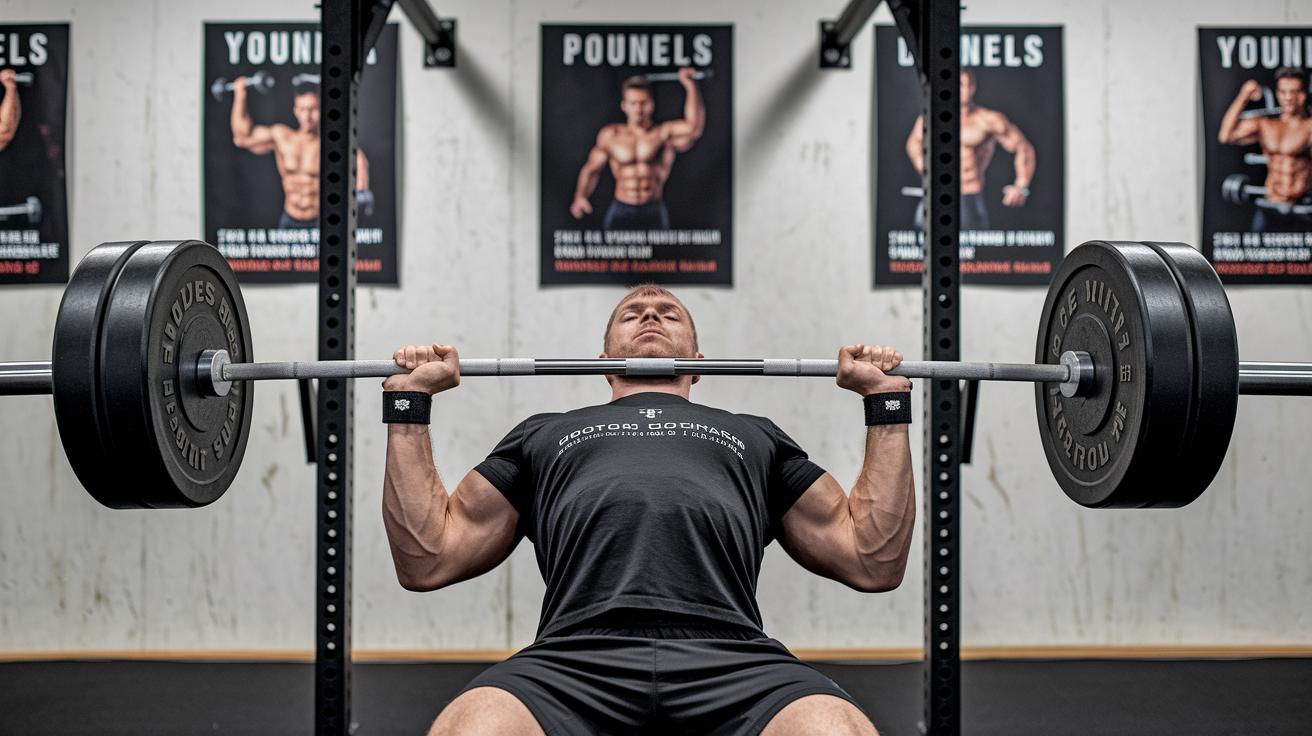
This training method breaks your workout into sessions that focus on either push, pull, or leg exercises. By zeroing in on one group of muscles at a time, you avoid overworking the same muscles and give them a chance to rest. It’s like focusing your energy on one part of your body so you can lift with clearer focus and bounce back quicker.
Research, such as a study from June 2013 in the Journal of Strength and Conditioning Research (a trusted journal that shares findings on fitness and exercise), shows that this plan can boost both muscle size and strength. When you take two to three minutes to handle heavy lifts like squats or deadlifts and around 60 seconds for moves that work one muscle at a time like lateral raises, your muscles get just the right amount of downtime. This makes it easier to keep up the intensity and work each set nearly at your max.
One of the best parts of this routine is its balanced feel. Focusing on one muscle group per session means you’re less likely to feel completely worn out. The idea is to stimulate your muscles without overdoing it, keeping your workouts powerful but not exhausting. Have you ever felt that satisfying burst of energy when everything clicks? That’s the push pull leg split working its magic.
Push Pull Leg Split: Power Up Your Workouts
This guide shares two simple templates that help you arrange your push pull leg split workout. Both plans scale with your progress. The idea is to use a percentage of your 1RM (one-repetition maximum, which means the heaviest weight you can lift once) to decide your working weights. This way, your training intensity matches your strength. For more insight, take a look at our article on exercise science principles for better workouts.
On the Intermediate Three-Day Plan, you train three separate days each week with a day off in between. On push days, start by lifting heavy with chest and shoulder exercises like the bench press and overhead press, then finish up with moves such as triceps extensions. Try doing 3 sets of 8 to 12 reps for each exercise. On pull days, begin by powering through compound exercises like deadlifts, then work on lat pulldowns and biceps curls. This mix builds strength and shapes your muscles, aiming for 3 sets of 6 to 10 reps. Leg days focus on squats as the main lift, followed by leg presses and hamstring curls. Here, go for 3 sets of 8 to 15 reps. Remember to rest well: give yourself 2 to 3 minutes between the heavier compound moves and around 60 seconds when doing the lighter, isolation ones.
The Advanced Six-Day Cycle takes things a bit further by dedicating each day to one of the three splits, repeating the cycle twice per week. You keep one day off on Sunday to help your body recover. This plan lets you work each muscle group more often while still allowing time for smart recovery. Continue to start with compound exercises and set your working weights based on your 1RM, increasing the load by about 2 to 5% if you hit the higher end of your rep range.
| Day | Exercises | Sets × Reps | Rest |
|---|---|---|---|
| Push | Bench press, Overhead press, Triceps extensions | 3×8–12 | 2–3 min for heavy, ~60 sec for isolation |
| Pull | Deadlift, Lat pulldown, Biceps curl | 3×6–10 | 2–3 min for heavy, ~60 sec for isolation |
| Legs | Squat, Leg press, Hamstring curl | 3×8–15 | 2–3 min for heavy, ~60 sec for isolation |
Exercise Selection and Sequencing in Push Pull Leg Split Workouts

Every workout session works best when you begin with a heavy-duty compound lift, a move that gets several muscles working at once. For example, on a push day, start with bench presses to fire up your chest, shoulders, and triceps. It's like laying down a solid foundation before adding the finer details.
This method works for every type of split. First, choose a compound lift to get your multiple muscle groups engaged. Next, switch to accessory exercises that add more volume and detail. Finally, wrap up with isolation moves that target specific muscles. Keeping this order steady not only helps you track your progress but also makes recovery easier.
Recovery and Nutrition Strategies for Push Pull Leg Split
When you’re pushing your limits in a push pull leg split, remember that recovery is just as important as the workout itself. Your muscles need time to repair so they can get stronger for your next session. I always schedule at least one full rest day each week. If you’re not into doing nothing at all, try active recovery with a little light cardio or some gentle mobility work to keep your body feeling flexible and energized.
Another key tip is to pay close attention to your protein intake. Aim for about 1.6–2.2 grams of protein per kilogram of your body weight. This protein helps rebuild your muscles after they’ve worked hard, and eating some within an hour after your workout can speed up the repair process. For instance, a quick protein shake (a drink packed with high-quality protein that aids muscle recovery) might be just what you need to give those muscles a fast hit of essential amino acids.
Don’t forget that good sleep races hand in hand with your recovery. Getting 7–9 hours of sleep each night lets your body enter repair mode, rebuilding your muscle fibers stronger than before. It’s like giving yourself a nightly recharge that makes all your hard work pay off.
| Tip | Details |
|---|---|
| Recovery Day | Take a full rest day or engage in light activities like gentle cardio or stretching once a week. |
| Protein Intake | Consume 1.6–2.2 g/kg of body weight, especially within an hour post-workout. |
| Protein Shake | Consider a protein shake as a quick way to provide your muscles with essential amino acids. |
| Sleep | Aim for 7–9 hours each night to help your body recover and grow stronger. |
With these simple strategies, you’re balancing intense training with smart recovery, so you can enjoy every workout and see the best results on your fitness journey.
Push Pull Leg Split: Power Up Your Workouts

Think of tuning your push pull leg split like adjusting the volume on your favorite song. Try doing 3 or 4 sets for each move. Go for 8 to 12 reps to build muscle (hypertrophy means making your muscles bigger) or 4 to 6 reps to boost strength. If you easily complete 10 reps on your bench press, raise the weight by 2 to 5 percent next time. It is like leveling up in a game, with every step making you stronger.
If you are new to this, try working out three days a week, leaving a day in between for recovery. More experienced lifters can work out six days over a six-week period, gradually increasing their workout days without overdoing it. Listen to your body and adjust your workout volume as needed. And adding dynamic warm-ups or stretches before heavier lifts can really help.
Every 4 to 6 weeks, plan for a lighter week. Cut your training volume by about 40 to 50 percent while keeping the same intensity. This break acts like a reset button so your body can adjust and come back even stronger.
- Do 8 to 12 reps per set to build muscle and 4 to 6 reps for strength.
- Raise the weight by 2 to 5 percent once you meet your rep target.
- Beginners can start with three sessions on non-consecutive days; advanced lifters might try six days over six weeks.
- Add a lighter week every 4 to 6 weeks by reducing volume by 40 to 50 percent.
- Always adjust your rest and workout intensity based on how you feel.
Final Words
In the action, this article breaks down the basics of a three-part program that targets push muscles, pull muscles, and legs. It covers how this method optimizes workouts, muscle focus, and strategic recovery.
The post also shows you sample plans for both intermediate and advanced routines, explains proper exercise sequencing, and offers tips for recovery and nutrition. With a clear push pull leg split strategy in mind, you’re set to enjoy a more balanced and effective workout plan.
FAQ
Where can I find PDFs for various push pull legs workout routines?
PDF resources often include detailed guides for 3-day, 5-day, 6-day splits, and 12-week push pull legs programs. They offer exercise lists, set and rep targets, and rest recommendations for balanced training.
What are the differences between the 3-day, 5-day, and 6-day push pull legs splits?
The 3-day split works each muscle group once per week, while 5-day and 6-day splits duplicate sessions for extra volume. They enable varied training intensity based on how much recovery your body needs.
What does a push pull legs program include?
A push pull legs program groups exercises by movement patterns: “push” targets chest, shoulders, and triceps; “pull” focuses on back and biceps; and “legs” work the lower body with compound and isolation movements.
How effective is the push pull legs split?
The push pull legs split is effective because it minimizes overlapping muscle use and promotes focused recovery. This structured rhythm supports strength gains and muscle growth when paired with proper nutrition and rest.
Does the 6 12 25 method work?
The 6 12 25 method, referring to a specific rep scheme, can work for boosting muscle endurance and size. Its success relies on fitting it into your overall program and adjusting based on your unique response.
Is a 6-day push pull legs routine too much?
A 6-day push pull legs routine may be intense but can work for advanced lifters. It requires mindful planning of recovery days, attentive nutrition, and sleep to help your muscles rebuild and strengthen.
What is the PPL Arnold split?
The PPL Arnold split draws inspiration from Arnold Schwarzenegger’s high-volume routines. It integrates push, pull, and legs workouts with extra exercises and volume to intensify muscle engagement for advanced training.
What are common exercises in a push pull legs program?
Common exercises include the overhead press (builds shoulder strength), side lateral raise, bent-over row (targets the back), overhead triceps extension, bench press (develops chest), and squat (strengthens legs).

