
Have you ever noticed that some meals leave you energized while others just make you feel slow? It’s like our plate holds a little secret for steady energy, stronger muscles, and a clear, calm mind.
When you mix fruits, veggies, lean protein (like chicken or fish), whole grains, and healthy fats (think avocado or olive oil), you set a happy, active tone for the day. These balanced meals keep you fueled and help keep those tired spells away.
Next, try making small tweaks on your plate. You might be surprised at how a little change can boost your overall wellness each day.
Why Balanced Meals Matter for Overall Health
Imagine your plate as a canvas that fuels your body with everything it needs. When you enjoy a mix of fresh fruits, crisp vegetables, lean proteins (the building blocks that help build and repair muscles), whole grains (nuts and seeds of energy), and healthy fats, you’re setting the stage for a day full of vitality. Picture half of your plate painted in bright colors from fruits and veggies, with a quarter dedicated to protein and the rest featuring whole grains. It’s a simple recipe to help your body refuel and mend itself.
Now, think of each meal as a refreshing burst of energy, a bowl filled with vibrant colors and textures that sparks life into every step you take. This isn’t just about filling up; it’s about nourishing your muscles, boosting your energy, and keeping your spirit lifted. When you choose nutrient-packed foods, you’re treating your body right in the same way a cool breeze revitalizes you during a morning run.
On the other hand, missing out on these key nutrients might leave you feeling a bit drained or more susceptible to little bugs. Have you ever felt sluggish after a bland meal that just didn’t do the trick? A well-balanced plate keeps you vibrant, helping you dodge that tired feeling and making sure each day is as energetic as it can be.
Essential Nutrient Roles in Balanced Meals
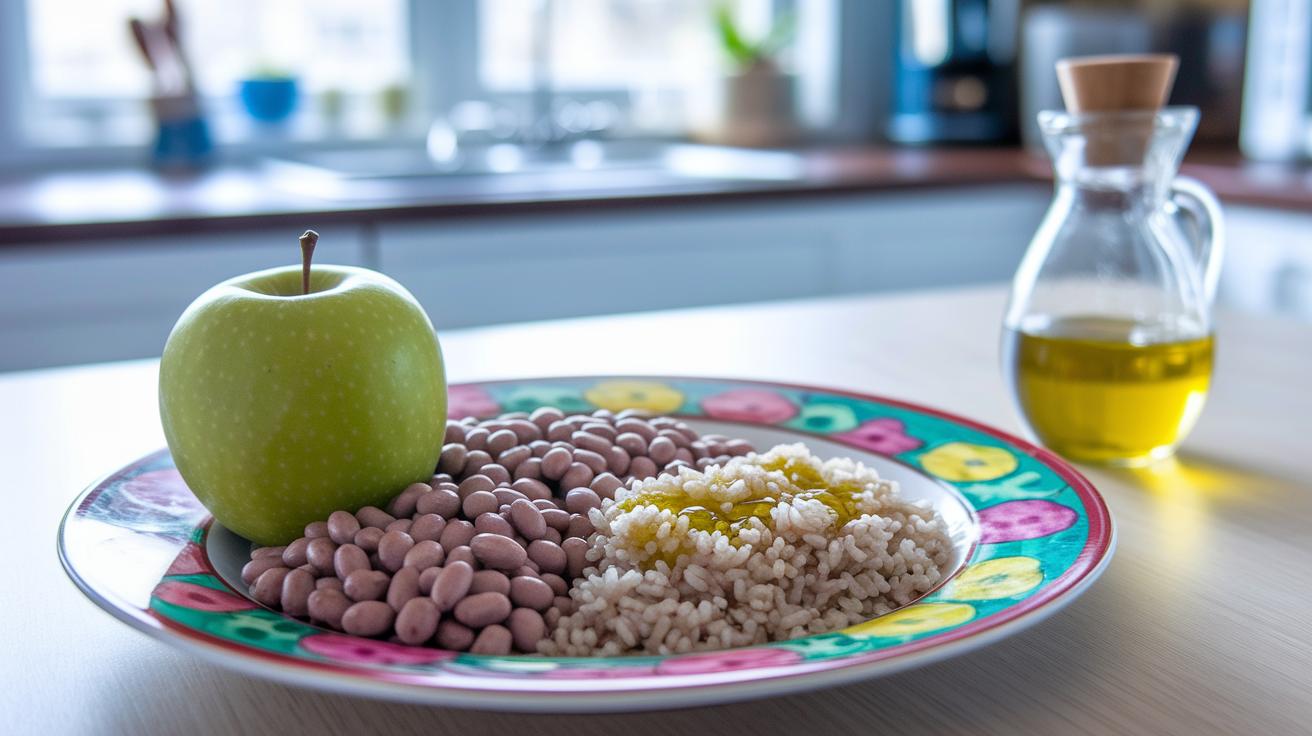
Fruits and Vegetables
Fruits and vegetables burst with vitamins, minerals, and antioxidants that brighten your meals and energize your body. They offer nutrients that keep your immune system strong and help protect your cells from daily wear and tear. Imagine biting into a crisp, juicy apple that not only delights your taste buds but also gives you a boost of essential vitamins.
Proteins
Proteins do so much more than just fill you up, they help repair tissues and keep your muscles strong. Whether you enjoy lean meats, beans, or nuts, these foods provide the building blocks your body needs to recover and thrive. Think of a comforting bowl of bean chili that fuels you through even the busiest days.
Grains
Grains supply the steady energy you need to go through your day. Whole grains like brown rice or whole-wheat bread come packed with fiber and essential nutrients, while refined grains might miss some of those benefits. Picture whole grains as a consistent, long-lasting fuel that helps you avoid those dips in energy.
Dairy
Dairy products do more than offer a creamy taste, they help build strong bones with calcium and are often enriched with vitamin D (a nutrient that supports bone health). A cool glass of milk or a smooth spoonful of yogurt not only enriches your meals with flavor but also supports your body in staying strong.
Fats and Oils
Fats and oils are key for providing energy and keeping your cell structures healthy. Used in moderation, they play a vital role in your overall nutrition. Imagine a light drizzle of olive oil over a fresh salad, adding a delicate flavor while keeping your meal balanced and satisfying.
How Balanced Meals Boost Energy and Support Weight Management
When you prepare a balanced meal, you're giving your body the fuel it needs to power through your day, whether that's walking, breathing, or simply thinking. I love how a good meal blends proteins (like lean chicken), carbohydrates (like hearty whole grains), and healthy fats (think avocado) to offer both quick energy bursts and long-lasting vitality. Picture a colorful plate filled with vibrant veggies, lean meat, and whole grains working in harmony to keep you alert and satisfied.
Keeping portions in check can really help prevent overeating and give your metabolism a gentle boost. Meals loaded with fiber from fruits, vegetables, and whole grains not only fill you up but also help you stay full longer, cutting down on extra snacking. If you're on the hunt for weight loss balanced meals, check out this link, it's a great way to structure your food intake while still keeping energy levels up. Each bite supports your metabolic health, building a path toward long-term well-being.
It also matters when you eat. Sticking to regular meal times lets your body process nutrients without feeling overwhelmed, ensuring that energy is available as you need it. Including fiber-rich options like berries, leafy greens, and legumes helps keep your digestion smooth and your appetite in check. With thoughtful meal timing, every bite becomes a mini energy milestone that fuels your active, balanced lifestyle.
Balanced Meal Planning Techniques and Portion Control

When it comes to planning your meals, try the MyPlate method. Fill half your plate with fruits and veggies, one-quarter with protein (like lean meat or plant-based options), and one-quarter with grains. This simple guide makes creating a balanced meal feel as easy as enjoying a chat with a friend over dinner. Imagine the crunch of fresh produce mixing with the satisfying heartiness of your grains, it’s a feast for both your eyes and your body.
Batch cooking is another great trick to ease your stress. Set aside a little time each week to prepare some meals in advance. By organizing your grocery list into groups like proteins, vegetables, and grains, your shopping trips become smooth and efficient. Think of your pantry as your little helper, each pre-portioned ingredient is ready to jump into your next meal and save you time on a busy day.
Scheduling regular meal times can really keep your energy steady, making it easier to stay nourished throughout the day. While you're at the store, take a moment to read food labels so you can pick items with fewer processed ingredients. Maybe you swap out one protein for another, or add a seasonal fruit to keep things interesting. Each small tweak makes your plan work uniquely for you, all while keeping your meals balanced and enjoyable.
Sample Balanced Meals for Morning, Midday, and Evening
A balanced day starts with a healthy breakfast, follows with a filling lunch, and wraps up with a nourishing dinner. For breakfast, try a warm bowl of oatmeal mixed with juicy berries and a scoop of Greek yogurt. This combo offers fiber, vitamins, and protein (which builds and repairs your body), keeping you energized until your next meal.
At lunch, imagine a whole-grain wrap stuffed with mixed vegetables and lean chicken. This meal brings together crisp greens, lean protein, and good carbohydrates (your body's fuel) to help you power through a busy afternoon.
When evening arrives, opt for a dinner that satisfies with a range of tastes. Picture a plate of grilled salmon, paired with fluffy quinoa and tender steamed broccoli. The salmon provides heart-healthy fats, while the quinoa and broccoli offer essential vitamins, fiber, and minerals.
| Meal Time | Key Ingredients | Nutrient Breakdown |
|---|---|---|
| Breakfast | Oatmeal, Berries, Greek Yogurt | Fiber, Vitamins, Protein |
| Lunch | Whole-Grain Wrap, Mixed Vegetables, Lean Chicken | Carbs, Protein, Nutrients |
| Dinner | Grilled Salmon, Quinoa, Steamed Broccoli | Healthy Fats, Fiber, Minerals |
These ideas are super flexible. You can swap chicken for tofu (a plant-based protein alternative), choose brown rice instead of quinoa, or mix up the veggies to create a burst of flavors and nutrients with every bite.
Debunking Common Myths About Balanced Meals
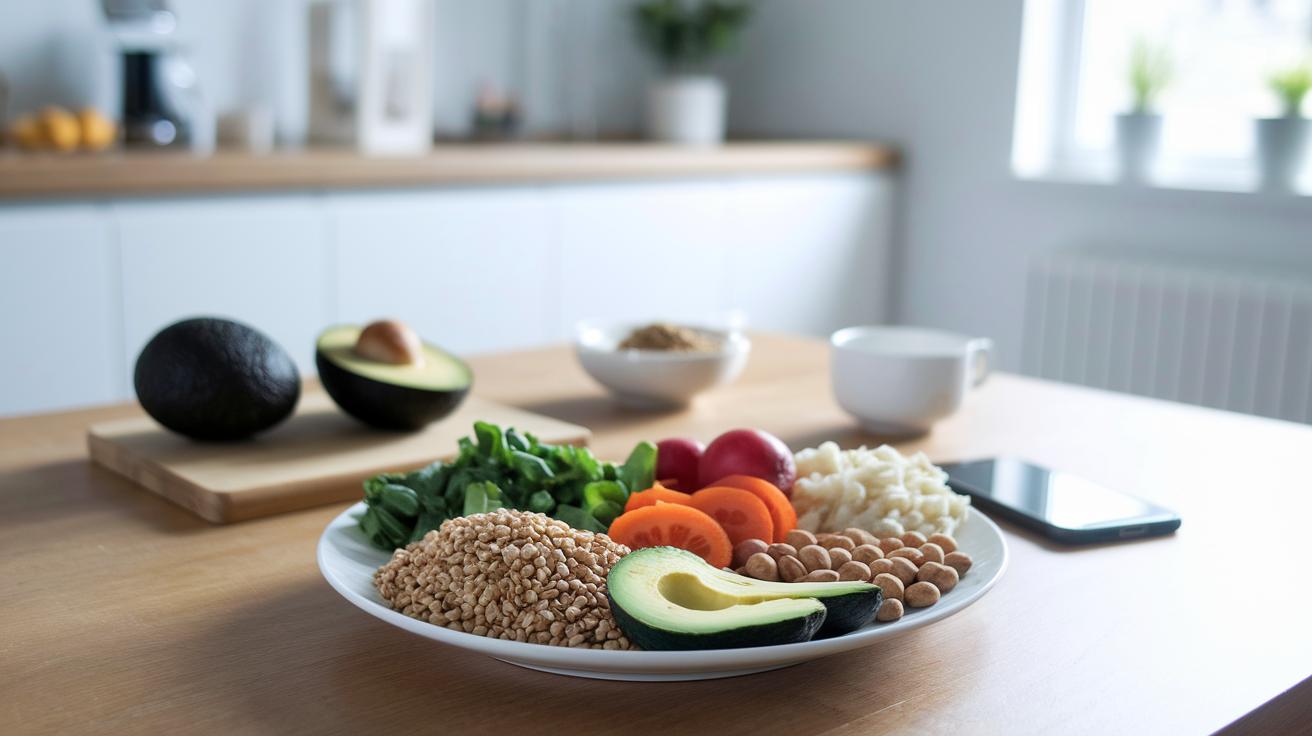
A lot of people think that all carbohydrates are bad, but that isn't true at all. Complex carbs (those found in whole grains and vegetables) give us steady energy and fiber that helps keep us feeling full. Then there’s the idea that all fats are harmful. Yet, healthy fats (like those in avocado and nuts) are actually important for keeping our cells strong. Some even say that having a cheat day will fix everything, but sticking to a balanced plate every day works much better. And while some folks believe that the timing of your meals doesn't matter, eating at regular times can really help keep your metabolism running smoothly. Lastly, a label saying "clean" doesn't always mean the food is nutritionally balanced, it's important to look closely at the ingredient list to really know what you're getting.
When you focus on balanced eating, you're choosing science over old myths. Instead of counting every calorie or cutting out whole food groups, try eating mindfully by including a bit of everything your body needs: vitamins, minerals, proteins, fats, and carbohydrates. Setting regular meal times not only keeps your energy even throughout the day but also helps you avoid those sudden hunger pangs. Following these simple, evidence-based tips can boost your energy, improve your health, and help you enjoy every bite a little more.
Final Words
In the action, the article broke down how balanced meals fuel our bodies with vitamins, proteins, and other essential nutrients. It covered the basics of nutrient roles, practical meal planning tips, and simple sample menus that keep our energy steady. The insight shared here shows why are balanced meals important, not just for energy, but for overall health and a positive, active life. The simple changes we make today can lead to a brighter tomorrow.
FAQ
What is a balanced diet?
A balanced diet is a way of eating that includes a variety of nutrient-rich foods like fruits, vegetables, proteins, grains, and dairy to supply your body with essential vitamins, minerals, and energy.
What are the key benefits of eating a balanced diet?
Eating a balanced diet benefits your body by providing steady energy, stronger immunity, healthy growth, and improved metabolism, reducing the risk of fatigue and illness while supporting overall well-being.
How can you describe a balanced diet with an example?
Describing a balanced diet with an example, imagine a plate filled with colorful greens, lean chicken or beans, whole grains, a serving of dairy, and a few healthy fats, giving you a mix of all essential nutrients.
What foods should be on a balanced diet food list?
A balanced diet food list typically includes fresh fruits, vegetables, lean proteins, whole grains, and low-fat dairy, complemented by moderate snacks like nuts or seeds to maintain nutritional balance.
Why is it important to eat balanced meals and portions?
Eating balanced meals and portions is important because it helps maintain steady energy levels, supports healthy weight control, and provides your body with the right nutrients to keep you feeling vibrant and active.

