
Have you ever felt like you're stuck on a stationary bike, going through the motions without real progress? HIIT cycling workouts mix short, intense bursts of energy with easy recovery periods (think of a fast sprint followed by a gentle ride), giving your heart exactly what it needs. Picture yourself pushing hard one minute and then riding smoothly the next, letting your breath come back naturally. These workouts can boost your stamina and help you burn calories quickly. Today, we're excited to share three simple cycling routines that pack a high-energy punch, designed to get you feeling fit and refreshed.
hiit cycling workouts: High Energy Cardio Burst
These cycling routines combine fast-paced sprint drills with intense pedaling bursts that really get your heart racing (a sign your body is working hard). Check out the table below for three ready-to-use HIIT cycling workouts. Each plan is set up to boost your endurance and help burn fat quickly. For example, the 30/30 HIIT Challenge mixes 30 seconds of all-out effort with 30 seconds of easy pedaling for 20 minutes, a smart way to strengthen your heart without long hours on the bike.
Before you start, warm up for 5 to 10 minutes to get your muscles ready. Add some dynamic stretches to wake up your legs, then cool down with 5 minutes of light cycling after your intense bursts. Finish with stretches for your quads, hamstrings, and hips to keep your muscles loose.
| Workout Name | Total Time | Interval Structure |
|---|---|---|
| 30/30 HIIT Challenge | 20 minutes | 30s high intensity / 30s recovery |
| Zone 2 Power Ride | 25 minutes | 4-min warm-up; 6-min block with 4 rounds; 10-min block with 6 rounds |
| Sprint Interval Burner | 30 minutes | 5-min warm-up; 45s max effort / 15s recovery cycles; 5-min cooldown |
Each workout is crafted to deliver bursts of high-energy cardio that not only improve your cycling strength but also increase fat burning. They let you experiment with different work and recovery times so you can tailor the routine to your needs. Whether you’re looking for an overall fitness boost or quick progress on the bike, these plans balance effort with rest, helping you build stamina in a smart and safe way.
Benefits of HIIT Cycling Workouts

HIIT cycling workouts really pack a punch when you’re short on time. They challenge your heart, help melt calories away, and boost your endurance. With bursts of fast pedaling mixed in with recovery breaks, you might even notice better oxygen uptake (how well your body uses oxygen) and improved blood flow. A study from 2021 showed that even a few HIIT sessions can help improve heart fitness, lower blood pressure, and keep blood sugar levels balanced. It’s like getting a gym-quality workout without the hours spent riding.
These shorter, dynamic workouts give your metabolism a serious kick, making your body more efficient at burning fat and building strength. I once noticed that a regular HIIT routine feels just as powerful as long, steady rides. The big wins include:
- Faster fat burning for weight loss
- A boost in VO2 max (a measure of the maximum oxygen your body can use)
- A healthier heart and stronger cardiovascular system
- Overall improved fitness without being stuck on the bike for hours
Each of these benefits helps pave the way to a more active, balanced lifestyle while keeping your workouts fun and engaging.
Choosing the Best Bike for HIIT Cycling Workouts
When you set out to tackle a HIIT ride, choosing the right bike is key to unlocking your best performance. Indoor rides on a stationary bike (one that stays in one place) let you fine-tune your resistance and keep things safe, while outdoor rides on your personal or road cycle give you that fresh-air freedom, even if they take a bit more balance and control. The perfect bike not only supports your strength and endurance but also helps you torch more calories.
Next, check out these bike choices that match different HIIT styles:
- Stationary bikes are awesome for those who love a steady, controlled workout and want to keep track of every detail.
- Recumbent bikes offer a cozy seat and extra stability, which can be a blessing if you plan on longer rides.
- Spin bikes deliver a smooth, quick ride that makes high-intensity bursts feel effortless while pushing your calorie burn even higher.
Each bike type has its own perk when it comes to balancing effort and recovery. For example, a stationary bike lets you easily adjust resistance and focus, while a spin bike creates a fluid motion that softens those tough, high-energy sprints. So, think about what matters most for you, whether it’s a little extra stability, pinpoint control, or a boost in calorie burn, to choose the best gear for your invigorating HIIT cycling session.
Structuring HIIT Cycling Workouts for Maximum Impact
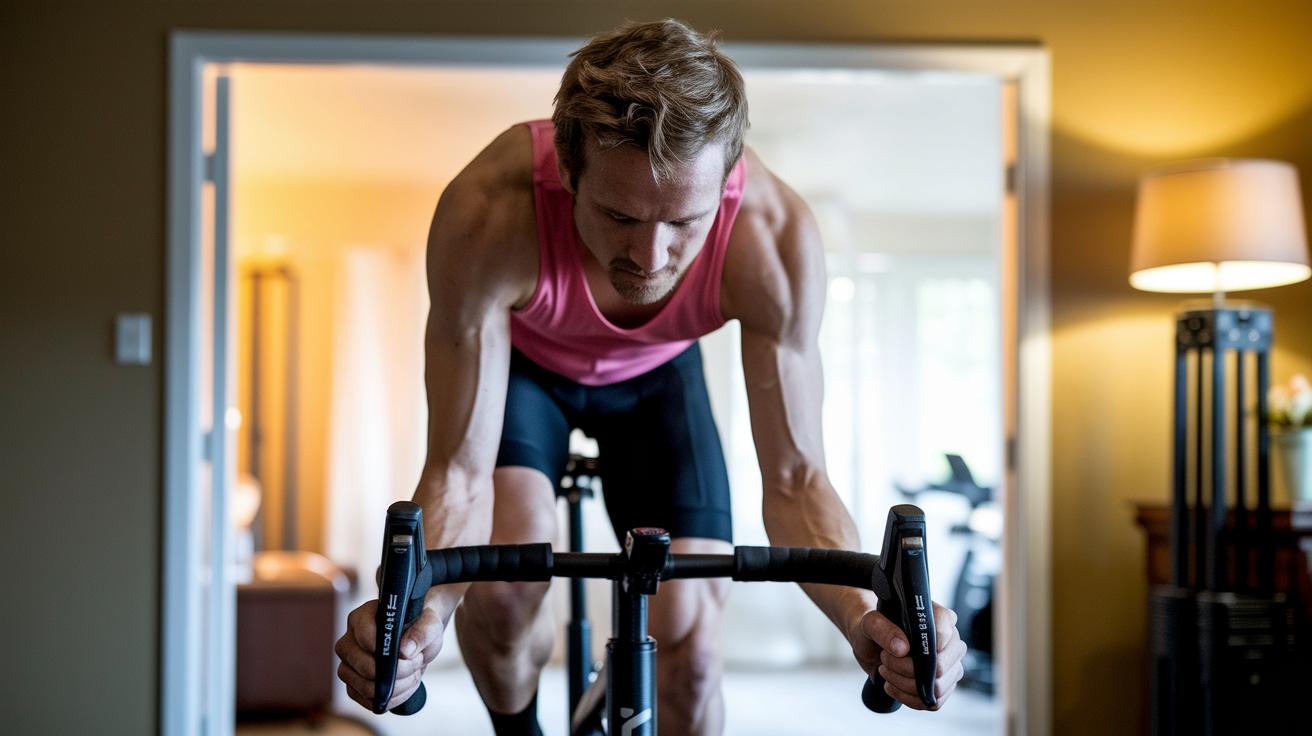
Create your HIIT cycling routine around small bursts of energy that you can adjust to match your current fitness level while giving yourself smart recovery breaks. Instead of rehashing the basics of warm-ups and cooldowns, focus on tailoring the core parts to really boost your workout.
Here’s a simple way to fine-tune your session:
-
Warm-up: Start by gently pedaling to ease into the ride. Imagine a light spin that gradually wakes up your muscles, setting you up nicely for the tougher intervals ahead.
-
High-intensity bursts: When it's time for a challenge, increase your bike’s resistance and push hard for a short period, say 20 seconds. Then dial it back a bit so you can recover quickly. It’s like sprinting on your bike then taking a quick breather.
-
Customizing intervals: Feel free to change both the time you push and the time you rest based on how you feel. If you’re more experienced, you might try a longer, tougher burst or even mix in some power drills. For example, you could pedal hard at a high resistance for 25 seconds and then ease off until you feel your breathing return to normal.
-
Cooldown: Finish by slowly lowering the resistance so your body can wind down from the hard work. Slow, gentle pedaling helps clear any built-up effort and lets your heart rate settle.
Remember, you can always tweak the resistance and timing as you improve. It’s all about pushing yourself while still making room for recovery between intervals.
Monitoring Intensity and Performance in HIIT Cycling
When you’re jumping into a HIIT cycling session, it really pays off to watch how hard you’re working. Using your heart rate (that’s the measure of how fast your heart beats during exercise) is a great way to know when to push your limits and when to take it down a notch. Try reaching those higher heart rate ranges during your tough bursts, then let your pulse settle during recovery. It’s a bit like having your personal coach inside you, guiding your effort with every pedal stroke.
Next, keep an eye on these important numbers:
| Metric | Description |
|---|---|
| Heart rate zones | The ranges that show how intense your workout is |
| Cadence targets | The number of pedal rotations per minute |
| RPE scale | A simple way to measure how hard the effort feels |
By tracking these numbers, you can adjust your intervals as you grow stronger. This helps keep every burst of energy both safe and effective, setting you up for better performance and a smooth boost in endurance over time.
Recovery and Cooldown Strategies for HIIT Cycling Workouts
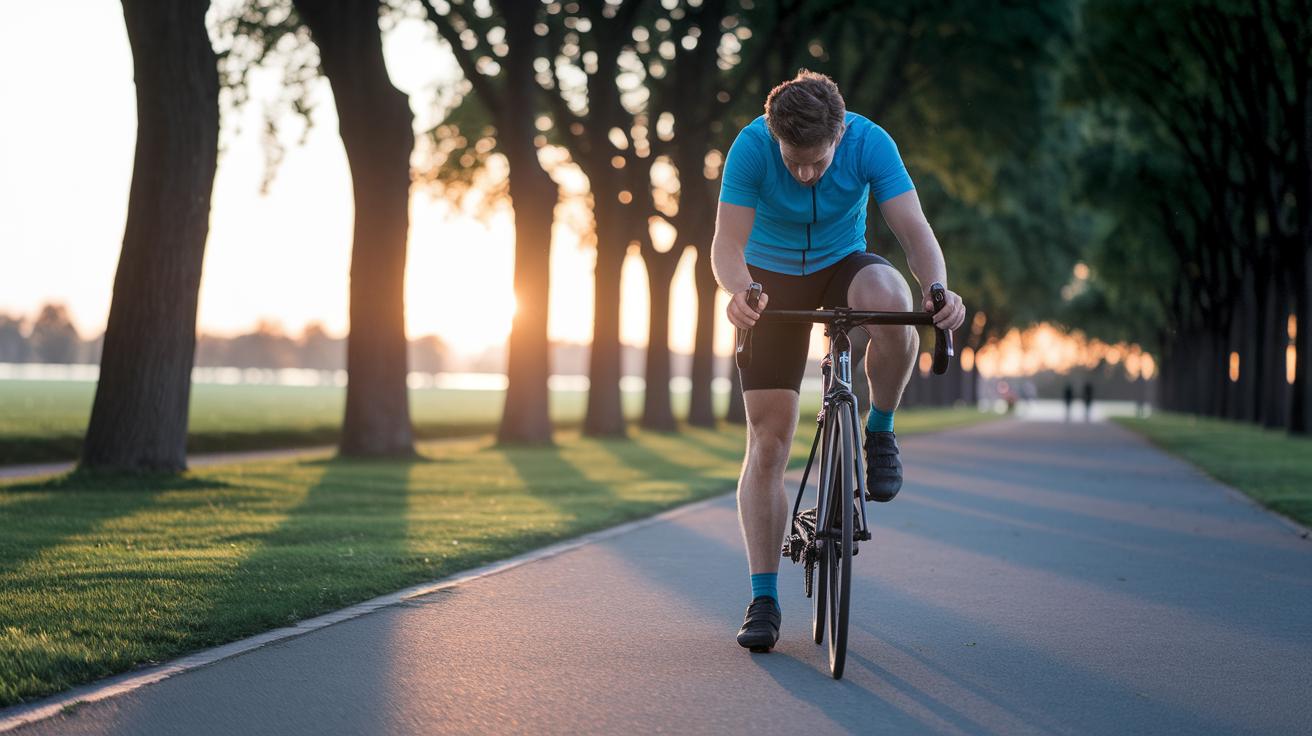
After an intense cycling session, it’s really important to help your body cool down slowly. Try spending about 5 minutes on an easy spin, it’s like a gentle pedal to bring your heartbeat back to normal. While you’re at it, stretch out your quads, hamstrings, and hips. This not only calms your muscles but also relieves any built-up tension.
Deep breathing is another good trick. You might try box breathing (breathe in for 4 counts, hold for 4 counts, out for 4 counts, and hold for 4 counts) which feels like a mini meditation to clear your mind. And hey, using a foam roller or massage tool can be a comforting way to ease soreness and get your blood flowing again.
Here are a few simple post-ride tips:
- Enjoy a 5-minute easy spin to ease your heart back to a calm pace.
- Stretch those important muscles (quads, hamstrings, and hips) and use a foam roller to smooth out any knots.
- Give box breathing a try, it’s easy and really helps clear your head.
- Don’t forget to rehydrate and refuel with a balanced meal or a snack that mixes protein with carbs.
Your cooldown is part of the ride, giving you time to relax and recover for your next adventure. Enjoy the journey!
HIIT Cycling Workouts for Beginners and Advanced Riders
Starting out can feel both exciting and a bit challenging. Try a simple method: ride hard for 30 seconds, giving it all you've got, then slow down for 30 seconds to recover. This pattern builds up your cycle stamina while letting you enjoy a moment to catch your breath, almost like a mini dance between intensity and ease.
When you're new, take time to get comfortable with the rhythm and your form. Feel the burst of energy as you pedal fast, then relax and enjoy the gentle recovery. Over time, those short breaks become easier, and you might naturally push yourself to ride harder for a little longer.
Here are a few steps to help you progress safely:
- Start with the basic 30-second burst followed by 30 seconds of easy cycling, and let your body get used to the pace.
- Gradually shift to 40 seconds of fast riding with 20 seconds of recovery, or even try 50 seconds of intense pedaling with a 10-second rest as your endurance builds.
- Increase the bike’s resistance a bit at a time to really challenge your muscles and get your heart (the pump that sends blood around your body) working strongly.
Each workout is a chance to fine-tune your performance, building endurance, speed, and strength. Enjoy the journey, remember, every ride brings you one step closer to a more powerful, balanced, and healthy lifestyle.
Final Words
In the action, we've explored sample HIIT cycling workout plans, reviewed the benefits of fast-paced sessions, and compared bike types for optimal results. We outlined how to properly structure a session, monitor intensity using heart rate, cadence, and perceived effort, and highlighted clear recovery practices to maintain steady progress. These tips help build strength, burn fat, and keep you motivated. Keep practicing hiit cycling workouts and relish every pedal push as you embrace your healthier and more balanced lifestyle.
FAQ
What are HIIT cycling workouts for beginners?
HIIT cycling workouts for beginners mean using short bursts of intense pedaling mixed with recovery periods. They offer an accessible way to boost heart rate and build endurance gradually.
What is a 30 minute HIIT bike workout?
A 30 minute HIIT bike workout splits the session into high-powered cycling bursts and light recovery intervals. It efficiently burns calories and enhances overall fitness.
How does a 15 minute HIIT stationary bike workout differ?
A 15 minute HIIT stationary bike workout compresses rapid, high-intensity efforts with brief rest periods. It provides a fast, effective routine, ideal when you’re short on time.
What benefits do HIIT cycling workouts offer?
HIIT cycling workouts offer benefits such as quicker fat loss, improved heart health, increased stamina, and better fitness overall. They deliver a powerful workout in less time.
Is a 20 minute HIIT workout a day enough?
A 20 minute HIIT workout a day can be enough for boosting metabolism and increasing fitness. Quick, intense sessions help improve heart rate and overall strength effectively.
How does HIIT cycling help with fat loss?
HIIT cycling helps with fat loss by rapidly increasing your heart rate during sprints and burning calories quickly. This method speeds up metabolism and targets body fat efficiently.
What is the 75 rule in cycling?
The 75 rule in cycling means maintaining about 75% of your maximum effort during specific intervals. It guides you to keep a steady pace that builds both endurance and strength.
What is indoor cycling in a HIIT context and how does the Tabata protocol work?
Indoor cycling for HIIT uses a stationary bike to control intensity during fast pedaling bursts. The Tabata protocol involves 20 seconds of effort followed by 10 seconds of recovery, repeated several times.
How do interval training workouts compare across cycling, rowing, and running?
Interval training for cycling, rowing, and running uses short bursts of maximum effort followed by recovery periods. Each activity targets different muscle groups while improving overall cardiorespiratory fitness.

