
Have you ever wondered if a quick burst of exercise can really boost your energy? HIIT workouts mix fast, heart-pounding moves with short breaks, giving you more pep without taking up much time.
In this article, we'll share five fun HIIT ideas that help you make every minute count. These routines are great if you’re short on time but still want to feel active and refreshed.
Stick around and discover how these quick, focused bursts can help build your strength and keep you feeling vibrant.
Essential Examples of HIIT Training Workouts
HIIT (high-intensity interval training) is all about mixing energetic bursts with little breaks to let your body catch its breath. Imagine doing 30 seconds of heart-pounding moves like burpees or sprinting followed by 30 seconds of a gentle walk or slow jog. It’s a fun way to boost your energy and build stamina while making every minute count.
A quick 20-minute HIIT workout can burn roughly 150 to 400 calories. These bursts get your heart racing and muscles working hard. Experts even suggest keeping HIIT to about three sessions a week so your body gets plenty of time to repair and grow stronger. Think of it as a balanced workout, intense enough to feel the burn but smart enough to allow recovery. Amazing how short, focused bursts can lead to big results, right?
Below are four ready-to-use HIIT routines to kick off your journey:
-
Sprint Intervals:
Exercises: Outdoor sprints or running in place
Work Interval: 30 seconds of sprinting, followed by 30 seconds of walking or a slow jog
Total Rounds: 10 -
Bodyweight Blast:
Exercises: Push-ups and jump squats
Work Interval: 30 seconds on each move, then 30 seconds' rest
Total Rounds: 8 -
Cardio Circuit:
Exercises: High knees and mountain climbers (exercises that really raise your heart rate)
Work Interval: 30 seconds per exercise, then 30 seconds to recover
Total Rounds: 8 -
Core and Cardio Mix:
Exercises: Burpees and plank jacks (plank jacks are like jumping jacks but done from a plank position)
Work Interval: 30 seconds per exercise, with a 30-second rest between sets
Total Rounds: 10
5 examples of hiit training workouts: Exciting ideas
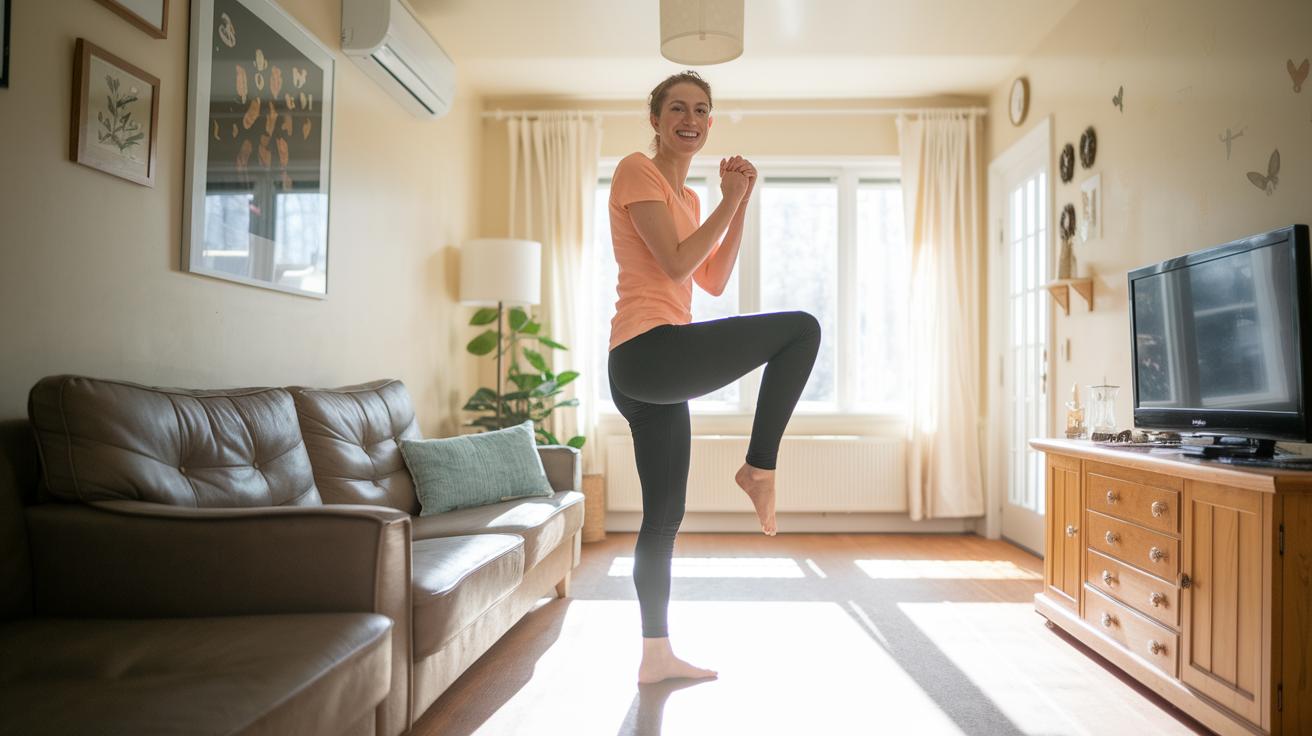
HIIT workouts without any equipment are awesome for getting your blood flowing right at home. Even in a small space, you can enjoy exercises like high knees, mountain climbers, lunges, and more. Imagine the refreshing buzz of a short 15-minute session where you do as many rounds as you can (that’s what AMRAP means: As Many Rounds As Possible) or a Tabata routine with 20 seconds of work followed by a 10-second break. It’s amazing how you can break a sweat and feel energized without any extra gear, even when life is busy or your apartment is cozy.
| Exercise | Work Interval | Rest Interval |
|---|---|---|
| High Knees | 20 sec | 10 sec |
| Mountain Climbers | 20 sec | 10 sec |
| Lunges | 20 sec | 10 sec |
| Burpees | 20 sec | 10 sec |
| Plank Jacks | 20 sec | 10 sec |
Feel free to mix up the moves or tweak the timing to match how you feel. If one exercise seems too tough or not quite right, swap it for another bodyweight move or adjust the work and rest a bit. Try out these routines and see which ones spark your energy while keeping the session fun and effective.
HIIT Workout Examples for Beginners
Starting with beginner-friendly HIIT routines means easing into the workout so your body can get used to new challenges at a gentle pace. If you’ve never tried high-intensity interval training before, try short bursts of exercise followed by a quick rest. This way, your endurance builds gradually and you avoid feeling worn out too soon.
One fun routine to try is Beginner Tabata. Pick 4 to 6 easy moves like wall push-ups (modified push-ups done against a wall) or gentle squats. Do each move for 20 seconds, then rest for 10 seconds, repeating for 4 rounds. It helps set a steady rhythm and lets your muscles adapt to shorter bursts of energy.
Next, give Low-Impact Intervals a shot. Focus on movements that are light on the joints, like marching in place or stepping out. Do each move for 30 seconds and then rest a bit. This routine builds your stamina steadily while keeping the moves kind to your body.
Lastly, try the Starter Circuit. This mix includes gentle movements like knee lifts and quick step-outs. Work for 30 seconds, rest for 30 seconds, and then repeat for a couple of rounds. Feel free to adjust the pace to match how you feel, and slowly increase the effort as you build more strength.
Full-Body HIIT Circuit Workout Examples

Circuit workouts give you a fun and fast way to train every major muscle group all at once. In a full-body HIIT circuit, you get the best of both strength and cardio since your body is busy moving nonstop. Most routines use 45 seconds of exercise and a brief 15-second break so you can keep pushing without long rests. This steady pace speeds up your metabolism and beefs up your endurance. Think of it like dashing from one station to the next, each burst of movement making your heart beat faster. Picture doing squat thrusts until your muscles feel pleasantly exhausted, then switching gears to push-ups to empower your upper body.
Creating a fun five-station routine is simple and effective. Start by picking five moves, such as squat thrusts, push-ups, kettlebell swings (a type of weight training), box jumps (leaping onto a secure platform), and plank jacks (a lively version of holding a plank). Spend 45 seconds on each exercise before quickly moving to the next during the 15-second rest. Repeat the circuit three or four times based on how you feel. As you get stronger, mix up the order to keep your body guessing and the workout exciting. Imagine each station as a unique flavor in your favorite healthy smoothie, combined, they make a truly refreshing fitness blend.
You can also add exercises that work on core balance and stability to give your routine an extra boost. Adjust how hard you push at each station so it fits your current energy level, ensuring every move feels just right for you.
HIIT Training Workout Examples for Weight Loss and Cardio
HIIT mixes short spurts of intense effort with easy recovery breaks. In just 20 minutes, you might torch between 150 and 400 calories while giving your heart and muscles a refreshing boost.
One great way to do this is with Sprint Intervals. For instance, try doing 10 rounds of hustling as fast as you can for 30 seconds, then take a 60-second brisk walk to catch your breath. This method helps your heart work harder while still giving you a moment to recover.
Another fun option is the Cardio Ladder. Start by pushing yourself hard for 20 seconds, and then add an extra 5 seconds each round. Keep the recovery period the same. If you’re finding it too challenging, feel free to tweak it, maybe go for a 45-second recovery instead.
Keep an eye on how hard you’re working and how well you recover. That way, you can adjust your workout so it best supports your weight loss and keeps your heart happy.
Safety Tips and Modifications for HIIT Training Workouts
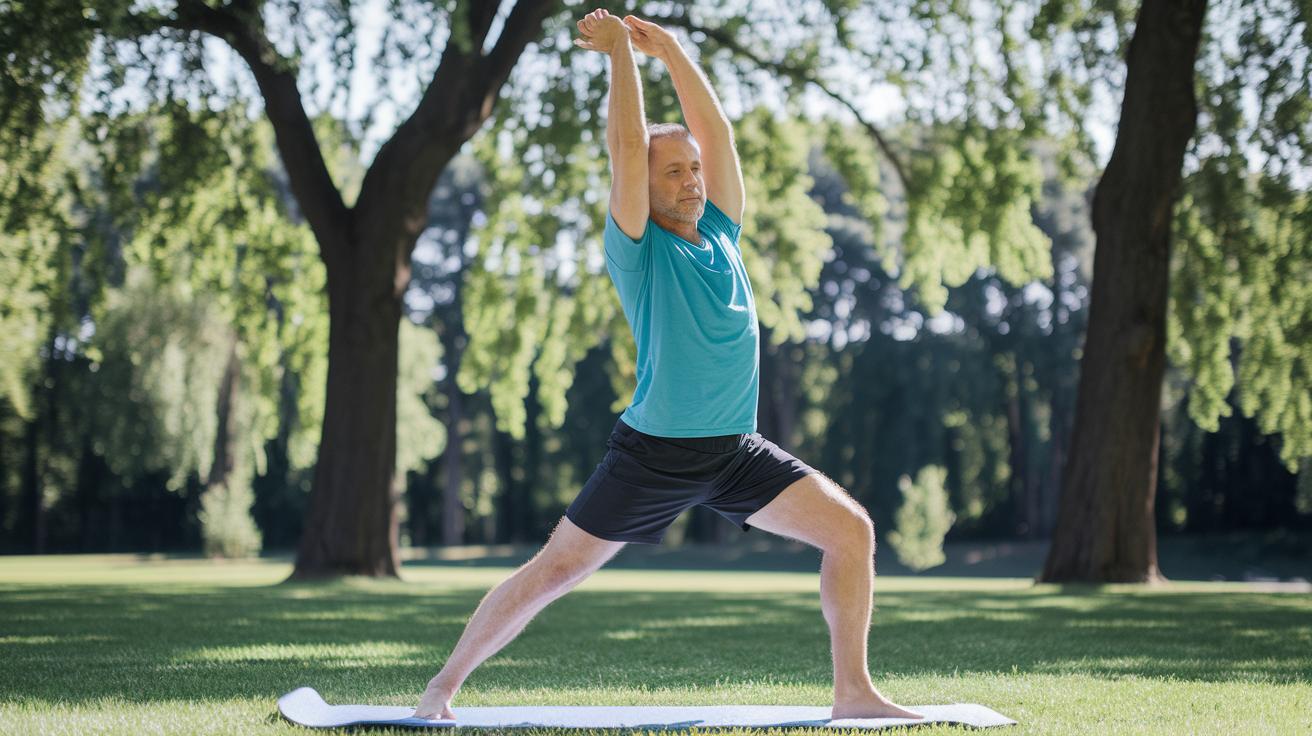
Before you jump into any HIIT (high-intensity interval training, a workout that mixes bursts of energy with short rests), take a few minutes, about 5 to 10, to warm up. A proper warm-up, like a brisk walk or some light stretching, helps your muscles and joints get ready for the work ahead. After your workout, cool down for around 5 minutes to let your heart rate slow down gradually. And hey, make sure you schedule rest days between sessions so your body can truly recover.
When you’re looking for gentler moves, try swapping some high-intensity exercises with low-impact alternatives that are kinder to your joints. For example, instead of running on the spot, try marching in place, or opt for step-back lunges rather than jump lunges. These simple modifications can protect your joints while still keeping you active, which is especially useful for beginners or those over 50 working to build strength steadily.
Always tune in to your body’s signals. If an exercise feels too intense or causes discomfort, it’s perfectly okay to slow down or switch to a different movement. Adjust the pace to match your fitness level and gradually push your limits as you grow stronger.
Final Words
In the action, this post explored a range of hiit training workouts that help boost strength, burn calories, and improve overall cardiac health. We looked at various session styles, equipment-free routines, beginner-friendly plans, full-body circuits, and options aimed at weight loss.
Each section offered guidance on pacing, proper warm-ups, and modifications to keep you safe. Embracing examples of hiit training workouts can certainly add excitement and energy to your fitness routine. Here's to feeling strong and motivated every step of the way!
FAQ
What are some examples of downloadable HIIT training workout PDFs?
The downloadable HIIT training workout PDFs include detailed plans, exercise lists, and structured routines. They offer guidance for weight loss, beginner sessions, or equipment-free formats to suit various fitness needs.
What exercises count as HIIT training?
The exercise counts as HIIT training when it involves short bursts of vigorous activity paired with brief rest intervals, like sprinting, burpees, jumping jacks, and bodyweight circuits such as calisthenics.
Is a 20-minute HIIT session enough for burning calories?
The 20-minute HIIT session is enough for effective calorie burn, typically burning between 150-400 calories. It maximizes intensity in short bursts to boost your metabolism during each session.
What are the different types of HIIT exercises?
The four HIIT exercise types include sprint intervals, bodyweight circuits, Tabata protocols, and circuit training. Each uses varied work and rest intervals to challenge both your cardio and strength.
What is an example of a HIIT run workout?
The HIIT run workout usually alternates sprinting with walking; for example, sprint for 30 seconds, then walk for 60 seconds repeatedly to boost heart rate and calorie burn effectively.
Can you explain what the Tabata protocol is in HIIT?
The Tabata protocol in HIIT involves performing an exercise at high intensity for 20 seconds followed by 10 seconds of rest, repeated for several rounds to build endurance and strength.
How can I do HIIT workouts at home without equipment?
The HIIT workouts at home without equipment use bodyweight moves like high knees, mountain climbers, lunges, and jumping jacks. These routines deliver effective calorie burn and fitness benefits without gear.
What is the recommended HIIT workout plan for beginners?
The HIIT workout plan for beginners focuses on low-impact exercises such as marching in place and wall push-ups. It gradually builds intensity to keep movements simple and safe.
How do burpees and jumping jacks fit into a HIIT routine?
The burpees and jumping jacks are effective HIIT moves that raise your heart rate and build strength. They are common in circuits and Tabata routines, providing a well-rounded, full-body exercise.
Can calisthenics be part of a HIIT session?
The incorporation of calisthenics in a HIIT session uses bodyweight exercises like push-ups and squats. These moves build strength and overall fitness, making them a staple in many HIIT routines.

