
Have you ever thought that your plate might be missing the special boost you need to feel energetic all day? Many of us feel tired because our meals aren’t mixed up just right. A balanced meal includes lean proteins (like chicken or tofu for muscle support), whole grains (think brown rice or whole wheat bread for steady energy), fresh fruits, and a burst of veggies loaded with vitamins.
Imagine this: half your plate filled with bright, colorful produce that smells fresh and tastes amazing, and the other half split between quality proteins and good carbs that keep you powered. It’s like giving your body a steady supply of fuel with every bite.
Are you ready to switch up your meals and feel more energized? Let’s explore a simple plate makeover that could transform your day into one full of vitality.
What are balanced meals: Boost Energy Now
Hey there! Balanced meals are all about filling your plate with just the right mix of protein (which helps build your muscles), carbohydrates (your quick energy source), fiber (great for digestion), and healthy fats (that keep your heart happy). Imagine a plate loaded with bright veggies, lean proteins, and whole grains that work together to boost your energy all day long.
Picture it this way: fill half your plate with fruits and veggies, a quarter with lean protein, and the remaining quarter with whole grains. For instance, starting your day with a bowl of oats, yogurt, and fresh berries can be a simple yet effective pick-me-up.
A little tip: using whole foods along with a touch of herbs or spices brings out flavor without extra salt or sugar. And while balanced meals are your go-to for steady energy, it’s totally fine to have a small treat now and then. Mixing up different food groups not only satisfies your hunger but also supports your metabolism (the way your body turns food into energy) and helps your digestion.
This approach proves that eating well can be both delicious and nourishing. Enjoy your meals and feel energized by the natural goodness on your plate!
Core Components of Balanced Meals: Essential Food Groups
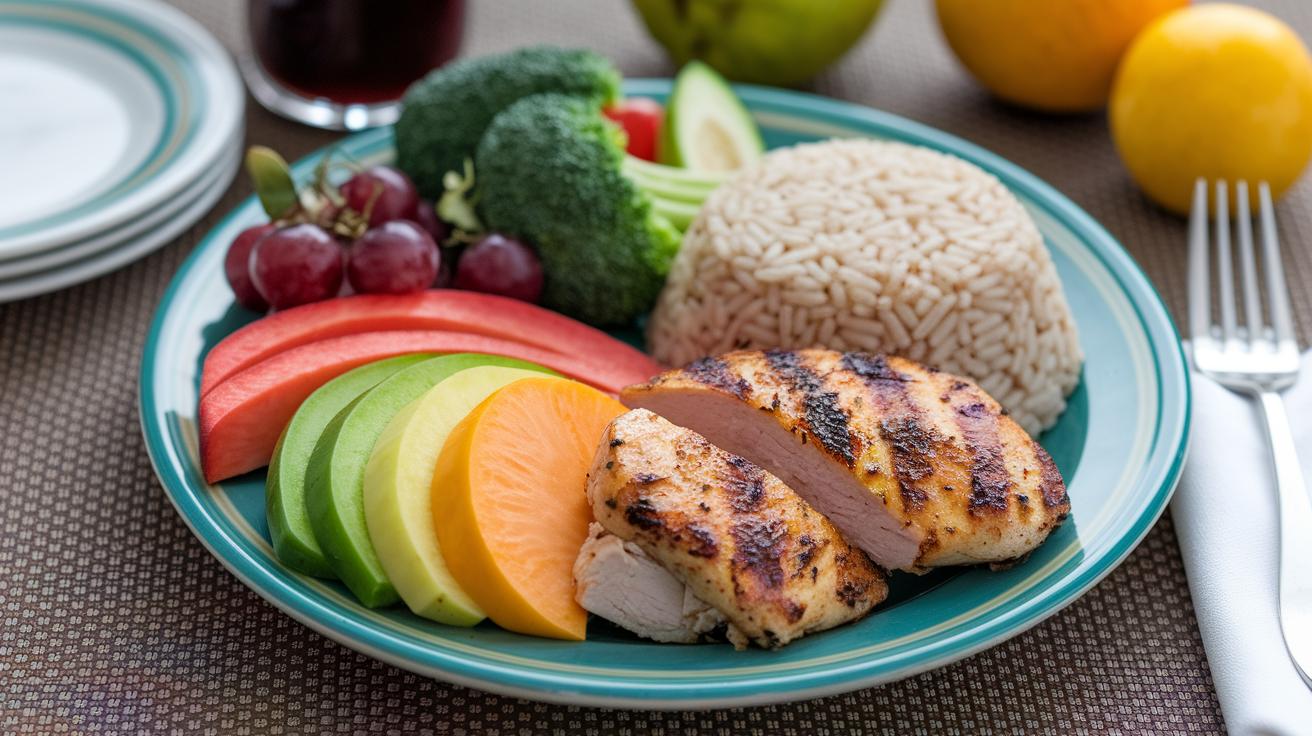
When it comes to balanced meals, it’s all about filling your plate with the right mix of flavors and nutrients. Picture half your plate bursting with colorful fruits and vegetables, offering you a boost of vitamins, minerals, and fiber (that helps keep your digestion in check). Imagine crunchy apple slices beside a serving of steamed broccoli , refreshing and satisfying.
Proteins are key too. Think of lean meats or beans and lentils (types of vegetables that give you protein) that help repair muscles and keep you feeling full. A simple trick? Use the size of your palm to measure a serving at each meal. Envision a plate topped with a grilled chicken breast paired with a serving of kidney beans, both perfectly sized to give you lasting energy.
Whole grains like brown rice or whole-wheat bread offer complex carbohydrates, which are a great way to keep your energy steady throughout the day. Picture a warm bowl of whole grain pasta tossed with fresh tomatoes, a hearty meal that feels both nourishing and satisfying.
Dairy might not always be in the spotlight, but its benefits are fantastic. Dairy products pack in calcium and vitamin D (which is great for strong bones) and help keep your bones healthy. A serving of about one cup , think of it as a small bowl , can fit nicely into your balanced meal plan. I once enjoyed a breakfast bowl of low-fat yogurt mixed with berries and oats; it was a tasty start that kept me energized until lunch.
Herbs and spices can make your dishes pop too. A little rosemary sprinkled over a mixed salad can brighten the taste while adding a dose of antioxidants , little touches that make a big difference.
| Food Group | Portion Tip |
|---|---|
| Fruits & Vegetables | Fill half your plate |
| Proteins | One palm-sized portion per meal |
| Whole Grains | About a fist-sized serving |
| Dairy | 1 cup for calcium and vitamin D |
Planning your meals with these simple tips makes it easier to enjoy a variety of flavors while keeping your portions just right. Each element works together to help you feel balanced and energized throughout your day.
Portion Sizes and Plate Composition for Balanced Meals
Imagine your plate as a colorful canvas for a healthy meal. The MyPlate model suggests filling half your plate with fruits and vegetables, a quarter with protein, and a quarter with whole grains, plus a side of dairy. For example, think of a plate with 1 cup of fruit and 1 cup of vegetables to pack in vitamins and fiber, 3–4 ounces of protein (helping your muscles recover), and ½–1 cup of whole grains to keep your energy steady. A bright salad with crisp carrots and fresh greens makes for a satisfying, nourishing meal.
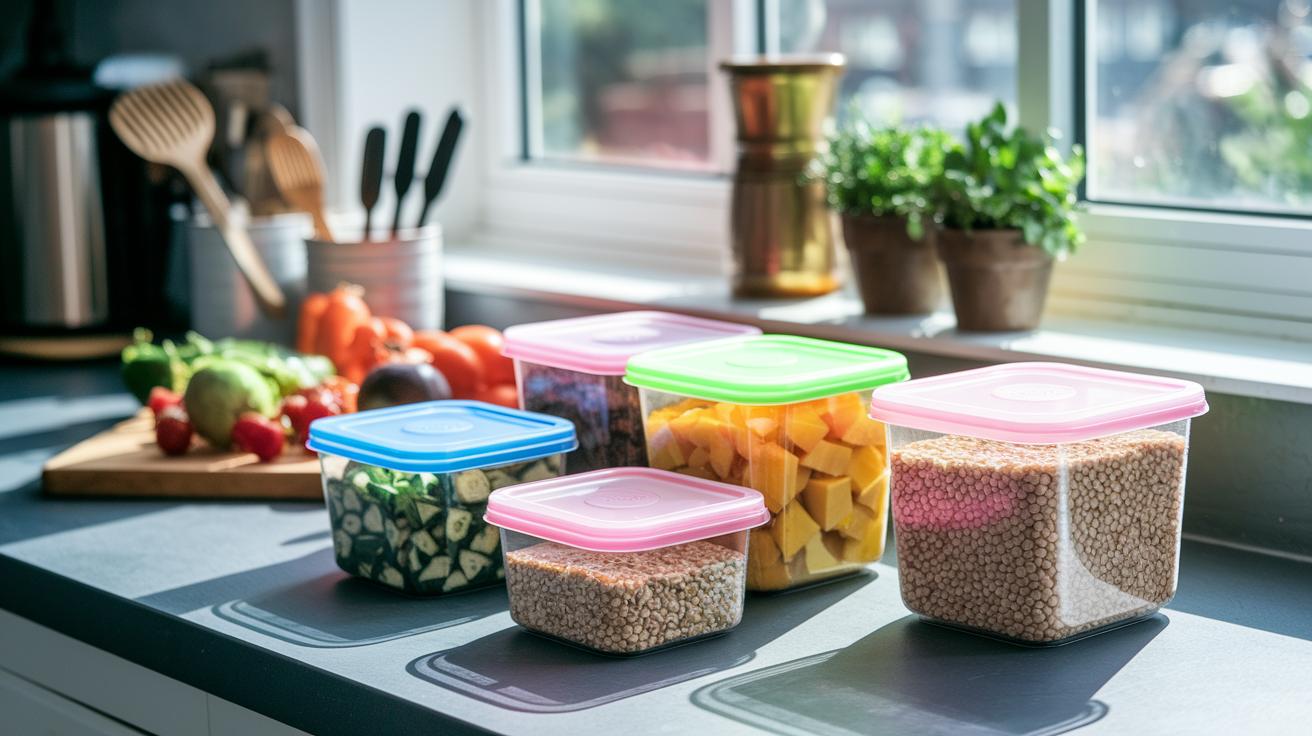
A handy tip for busy days: pre-portion your ingredients into small containers. You might set aside some pre-cut veggies and a measured amount of protein to blend into balanced meals all week long.
These portion ideas aren’t one-size-fits-all. If you’re very active or simply need more energy, you might want a bit extra protein or grains. Others might lean into more fruits and veggies. Trying to see your plate as a pie chart can make meal planning faster, whether it’s for a quick lunch or a relaxed dinner at home.
| Food Group | Recommended Portion | Daily Servings |
|---|---|---|
| Fruits | 1 cup | Varies |
| Vegetables | 1 cup | Varies |
| Grains | ½–1 cup | Several |
| Protein | 3–4 ounces | 1 per meal |
| Dairy | 1 cup | Varies |
Another practical tip: use clear containers to measure out your servings. Picture wrapping your protein in just the right container of 3–4 ounces, it’s a simple way to stick to your plan.
Meal Planning Strategies for Balanced Nutrition
Plan your meals one week in advance. It’s like setting up a fun menu for a party, write down a simple plan, for example, "Monday: colorful salad with grilled chicken, Tuesday: quinoa with roasted veggies and tofu." This little step sparks your cooking creativity and keeps things interesting.
Try batch-cooking whole grains (like brown rice or quinoa) and proteins (such as chicken or legumes) ahead of time. Imagine opening your fridge to see ready-to-use ingredients that let you whip up a balanced meal in just a few minutes. A neat trick is to make a big batch on a Sunday afternoon and divide them into small containers for the week.
Switch up your fruits and veggies throughout the week. One day, you might enjoy the crunch of crisp bell peppers; the next, the soft bite of zucchini. This keeps your meals both fresh and full of different nutrients.
Instead of reaching for high-sugar or high-salt sauces, try using herbs and spices to boost flavor. Sprinkle a bit of oregano or add a dash of cumin for a flavor kick. Next time you cook, why not experiment with a pinch of rosemary on your roasted veggies?
Using a ready-made grocery list template can make shopping simpler and ensure you grab items from every food group. And if you’re ever unsure about what to include, chatting with a registered dietitian could be a great help.
Sample Balanced Meal Ideas for Breakfast, Lunch, and Dinner
Have you ever craved a meal that feels like a warm hug for your body? Here are nine tasty, balanced ideas that mix whole foods in fun and creative ways.
Imagine starting your morning with a bowl of hearty oatmeal topped with cool, creamy yogurt, crunchy almonds, and tangy berries. This combo gives you whole grains, protein, healthy fats, and a splash of natural sweetness.
Next, think about crisp whole-grain toast spread with mashed avocado, crowned with a perfectly cooked egg, and paired with juicy orange slices. It’s a delightful mix of lean protein, good fats, and a vitamin boost to brighten your day.
For a satisfying mid-morning pick-me-up, try a scramble with lightly seasoned sausage, fluffy eggs, and tender diced potatoes. It’s a hearty option loaded with protein, essential fats, and starchy carbs that keep you energized.
If you’re in the mood for something fresh, a tender pita stuffed with tuna, a drizzle of olive oil (a heart-friendly oil), and crunchy chopped veggies might just hit the spot. It’s all about lean protein, fiber, and that satisfying crunch.
Craving a plant-powered meal? Picture a bowl filled with marinated tofu (a great plant protein), steamed brown rice, and a burst of colorful veggies. Every bite brings you balanced plant protein, complex carbohydrates, and essential vitamins.
When you need a quick snack, imagine a plate with hard-boiled eggs, a handful of nuts, and a few pieces of fresh fruit. It’s a simple, balanced boost for those busy moments.
For a filling dinner option, consider tender pieces of chicken mixed into whole-wheat pasta tossed with a light pesto sauce (a basil-based treat) and accompanied by steamed broccoli. It’s a tasty mix of protein, carbs, and greens that feels just right.
Fancy something with a bit of a kick? Try a sizzling salmon stir-fry dotted with crisp veggies and served over rice. This meal packs omega-3-rich fish, nutrient-packed vegetables, and satisfying grains.
Finally, imagine a comforting curry where earthy lentils and sweet potatoes simmer together in mild spices. Each spoonful offers protein, fiber, and complex carbohydrates, a true celebration of hearty, balanced flavors.
Health Benefits of Consistent Balanced Eating
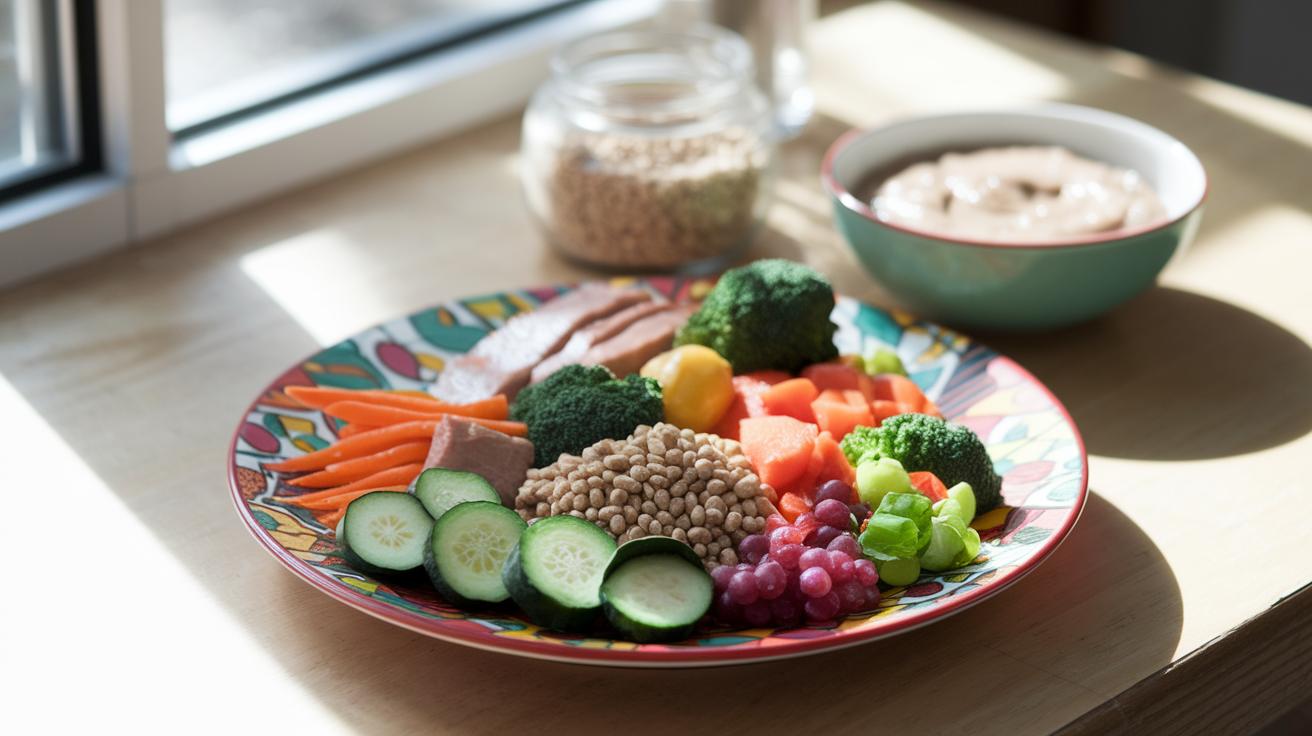
Eating balanced meals every day does more than give you a quick burst of energy, it builds a strong, healthy base for your life. Studies show that when the good stuff in your food works together, it can help calm inflammation (body swelling), keep your blood fats in check, and even steady your blood sugar levels. Imagine a plate loaded with crunchy, fiber-filled vegetables mixed with lean proteins; it not only fuels your body but also helps keep those blood sugar spikes from happening.
New research tells us that when nutrients team up, they boost your body’s natural defenses. For example, vitamin C found in fruits can help your body get the most out of iron from plant proteins, while dairy products bring in both calcium and vitamin D (vitamin D helps your body use calcium to build strong bones) to support your bone health. In fact, one study found that enjoying a balanced diet like this might help lower risks for long-term issues like heart disease and diabetes by encouraging better teamwork among the nutrients in your meals.
Avoiding Common Pitfalls When Maintaining Balanced Meals
Many folks stumble when trying to make meals that truly nurture the body. One common misstep is leaning too much on processed health foods. They might seem handy at first, but they often come with extra salt or sugar while missing out on essential nutrients. Skipping whole food groups, like fruits, vegetables, or whole grains, can throw off the balance of vitamins and minerals your body needs. And even with healthy choices, paying no mind to proper portions can lead to overeating. Plus, it’s easy to forget that water is key for helping your body digest and transport nutrients.
There are also some myths that can really confuse you. For example, some folks think that avoiding all fats makes a meal healthy. But good fats (the types that support heart and brain health) are actually important. And while protein is great, meals should never be all about protein alone.
Here are a few simple tips to keep things balanced:
- Rely on whole, minimally processed ingredients.
- Include a variety of food groups in every meal.
- Use your palm as an easy guide for portion sizes.
- Stay on top of hydration by drinking water throughout the day.
Even small changes like these can help you maintain meals that are both nutrient-rich and balanced, day by day.
Final Words
In the action of crafting a healthier routine, this post explored balanced meals defined by their complete mix of proteins, grains, fruits, and vegetables. We broke down portion sizes using the MyPlate framework, shared practical meal planning tips, and tossed in creative meal ideas. We also pointed out common mistakes while offering simple, clear fixes. Embracing these strategies means you're well-equipped to answer the question: what are balanced meals? Here's to feeling energized every day with smart, satisfying food choices.
FAQ
What are balanced meal examples, and what should you eat for a balanced meal?
The balanced meal examples follow the MyPlate model—half fruits and vegetables, one quarter lean protein, and one quarter whole grains—with a serving of dairy or healthy fats added to boost nutrients.
What does a balanced diet mean, and how is it defined with examples?
The balanced diet means having a mix of fruits, vegetables, whole grains, lean proteins, and dairy to supply essential nutrients. For instance, a meal combining a salad, grilled chicken, brown rice, and a yogurt dessert is balanced.
What is the importance of a balanced diet in daily life?
The importance of a balanced diet lies in supporting steady energy levels, enhancing digestion (thanks to fiber), promoting healthy weight management, and reducing the risk of chronic conditions through varied nutrients.
What is a balanced diet for Class 2, and what does it include?
A balanced diet for Class 2 kids includes kid-friendly portions of colorful fruits, vegetables, whole grains, lean protein, and dairy, ensuring they receive energy, growth support, and essential nutrients.
What are the essential components needed in a balanced diet?
The essential components include fruits, vegetables, lean proteins, whole grains, and dairy. Each group gives specific vitamins and minerals that work together to keep your body energetic and healthy.

