
Ever wonder how a 30-minute HIIT workout can give your fitness a big boost? Imagine torching over 400 calories in one go with high-energy bursts and short breaks that let you catch your breath.
You'll warm up to get your muscles ready, power through the fast-paced intervals, and then cool down to soothe your body. Every minute counts in this efficient routine.
It fits perfectly into a busy schedule and leaves you feeling refreshed and accomplished. Give it a try and see how it can light up your energy for the rest of the day.
hiit 30 minute workout for rapid fitness boost
Imagine a 30-minute HIIT workout that mixes quick bursts of strong effort with short rests to help you burn around 425 calories in one session. This energizing quick circuit works your whole body while letting you check your target heart rate (calculated as 220 minus your age) to make sure you’re exercising just right. With this fast-paced routine, every moment matters, making it a great choice if you’re short on time but want fast fitness results.
Start with a 5-minute warm-up to get your muscles ready for action. Then, do 8–10 rounds of 30 seconds of high-intensity exercise followed by 30 seconds of recovery. Finish with a 5–10 minute cool-down by walking and stretching.
Each part of this workout has its special benefits. A gentle warm-up readies your muscles, much like stretching before a quick run feels so refreshing. The intense intervals push you to new limits, giving your heart a quick boost and firing up your metabolism. And the cool-down helps lower your heart rate while soothing tired muscles, wrapping up a balanced plan that fits perfectly into busy days.
Effective Warm-Up for Your HIIT 30-Minute Workout
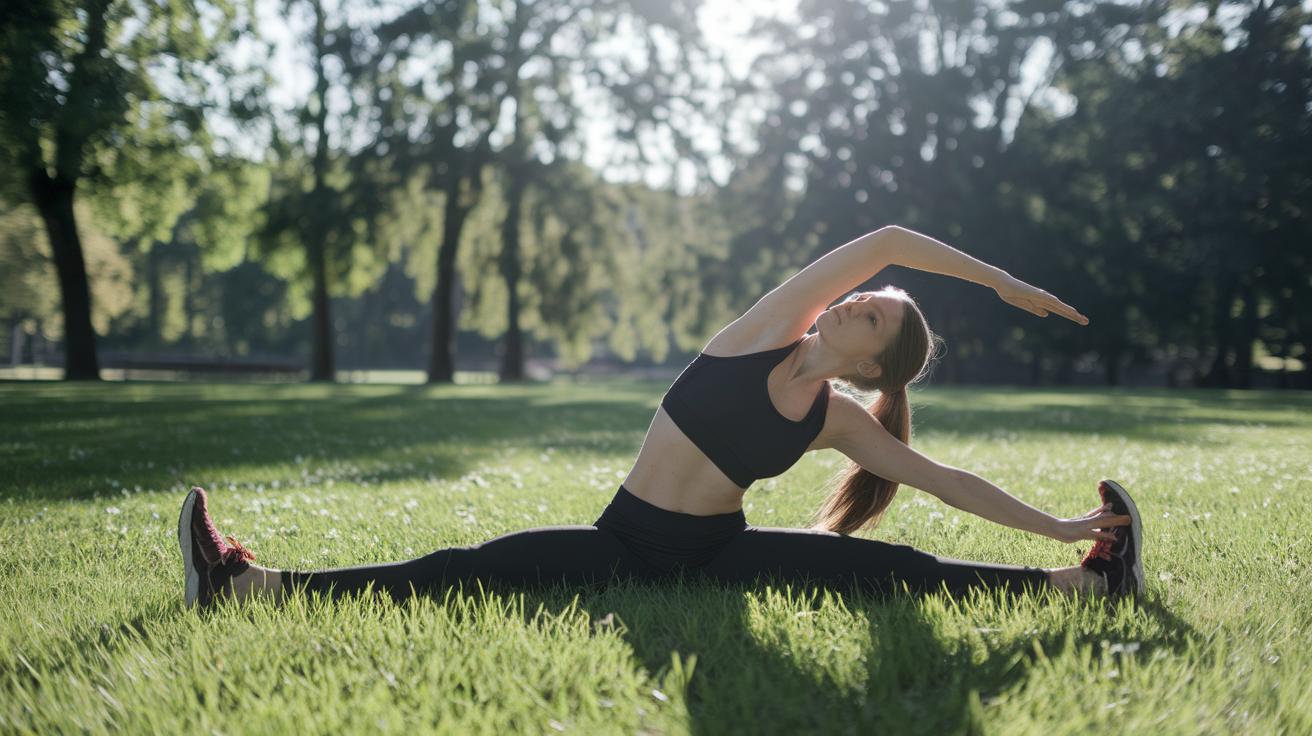
A good warm-up is key to any workout. It gently increases your heart rate and helps your joints move smoothly, giving your muscles a chance to relax before you start your intense HIIT session. This gradual build-up of blood flow prepares your body, lowers your risk of injury, and makes your muscles more ready to work hard.
Start with a mix of slow and brisk walking. Begin with a 5-minute slow walk to ease into the exercise. Then, pick up your pace for about 5 minutes of brisk walking or a light jog. This easy change not only gets your heart pumping steadily but also warms up the muscles you’ll use during your workout.
Finish off your warm-up with 10 minutes of dynamic stretches. Try fun moves like jumping jacks, high knees, walking lunges, and arm circles. These exercises help stretch your body, improve flexibility, and get you all set for the challenges of your HIIT workout.
High-Intensity Intervals in a 30-Minute HIIT Workout
Looking for a quick boost to your energy? Try mixing sprint drills with burpee moves! Picture this: 10 rounds where you give it your all for 30 seconds (imagine sprinting like you're chasing a bus), then walk briskly for 30 seconds to catch your breath. It’s a fun way to make your heart beat faster and your body feel alive. Adding 30 seconds of burpees and 30 seconds of rest later on can help torch calories, think of it as a mini celebration of your strength. Just keep your feet about shoulder-width apart and your core engaged so each jump feels secure and smooth.
Next, you might enjoy switching into weighted intervals to blend strength with that fast pace. For example, do 3 sets of 15 reps of moves like squats, push-ups, lunges, planks, pull-ups, and curl-ups. Take a 60-second break between each set to recharge just like a quick sip of cool water during a sunny run. Pay attention to your form and move deliberately, so you feel both challenged and safe. And if you have gym access, consider a dumbbell compound interval (dumbbells are hand-held weights that add resistance) as part of a full-body challenge. It’s a great way to turn a short workout into a powerful, all-around session that leaves you feeling accomplished.
Recovery Phases in Your HIIT 30-Minute Workout
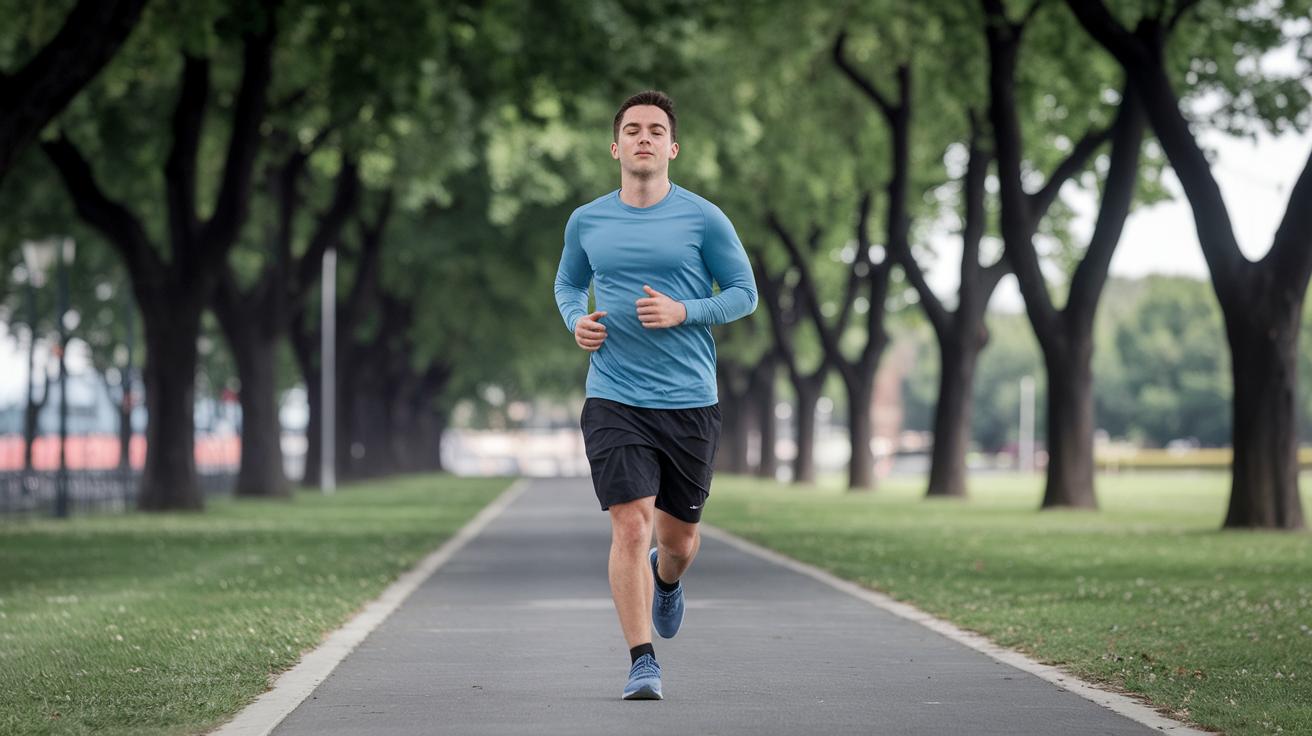
When you take an active rest, you're giving your body a gentle chance to cool down without coming to a complete stop. You might slow down to a relaxed jog, march in place, or even stand still as your heart rate eases. This light movement helps ease muscle tiredness and supports your joints and hormones by keeping them in good shape. It's like allowing your body a mini-break that balances the intense parts of your workout.
Mixing periods of high effort with these gentle recovery moments helps keep your energy steady throughout your session. After a burst of hard work, try pausing for about 30 seconds to a minute to catch your breath and reset. This simple switch prevents muscle burnout while boosting your overall performance. And remember, it's smart to alternate between intense and moderate workouts, ensuring you build strength and endurance over time.
Cool-Down and Stretching for a HIIT 30-Minute Workout
After an intense HIIT (high-intensity interval training, which means short bursts of hard exercise followed by recovery) workout, it’s really important to slow things down gently. A cool-down is like easing into a calm afternoon after a burst of energy. A relaxed, slow walk outside for about 10 minutes can feel amazing. Not only does this help wash away some of the lactic acid (a by-product of hard exercise that can make muscles feel sore), but it also lets your body smoothly transition from high energy to a more restful state.
Once you’ve done a nice walk, take five minutes to do a full-body stretch that targets the main muscle groups. Start with a hamstring stretch to loosen the back of your legs, imagine the gentle pull like the refreshing breeze after a run. Next, do a quad stretch to open up the front of your thighs. Then, ease into a calf stretch by gently extending your legs, followed by a chest opener to release any tightness in your upper body. End with an overhead triceps stretch, so your arms feel relaxed and long. These simple moves not only boost your flexibility but also speed up your recovery, making it perfect even if you’re new to this routine.
Modifying a 30-Minute HIIT Workout for All Fitness Levels

If you're new to HIIT, it's a good idea to take it slow. Instead of diving straight into intense intervals, start with a 10-minute warm-up that might include light activities like jumping rope (jumping rope is a fun, easy way to get your heart moving). You can also try doing about 15 rounds of your main exercise at a pace that's both brisk and comfortable. This simple approach helps you build a strong base without putting too much pressure on your body. Take your time, listen to your body, and enjoy every step as you gradually boost your fitness level.
If you're ready to challenge yourself further, there are plenty of ways to step up the intensity. One tip is to use the 220 minus your age formula (a quick way to find your target heart rate zone for better endurance and fat burn) to see if you're working in the right range. Alternating days between high-intensity bursts and more relaxed sessions can help keep things balanced and avoid overtraining. You might also extend the time of your high-power moves or add resistance like weights or bands as you gain strength. By regularly checking your heart rate and fine-tuning your workout, you'll find that your routine grows in step with your increasing strength and stamina.
Tracking Calories and Progress in a HIIT 30-Minute Workout
Keeping track of the calories you burn during your workout is a simple, smart way to see if you’re moving toward your fitness goals. In a 30-minute HIIT session (High-Intensity Interval Training, short bursts of hard effort followed by rest), you might burn anywhere from 200 to 500 calories, with most people burning around 425 calories on average. Your total burn depends on things like your body weight, how you balance work and rest, and the specific exercises you choose. Plus, checking your heart rate (using the basic formula 220 minus your age) can tell you if you’re working hard enough.
| Intensity Level | Estimated Calories Burned |
|---|---|
| Moderate | 200 |
| Standard HIIT | 425 |
| Advanced | 500 |
Sometimes, jotting down your calorie counts and heart rate details right after your workout feels like having a little progress diary. This simple log can help you notice patterns, tweak your workout sets, and decide when to take that all-important rest day. And if you ever see a drop in your calorie burn, it might be a good sign to adjust your work/rest balance. Keep listening to your body, and enjoy each step of your fitness journey.
Final Words
in the action, we explored every phase of a hiit 30 minute workout, from warming up and high-intensity bursts to active recovery and cool-down stretches. You read about burning calories, proper pacing, and even scaling options for different levels.
Each segment supports a balanced routine that builds strength, boosts endurance, and clears the mind. Remember, a consistent routine can brighten your day and empower your body. Keep moving forward with confidence and enjoy every moment of your active lifestyle.
FAQ
How do I do a HIIT 30-minute workout at home without equipment?
The HIIT 30-minute workout without equipment means you use bodyweight moves like burpees and squats. It alternates fast, intense bursts with brief rest periods to boost cardio and strength.
What does a full-body HIIT 30-minute workout involve?
The full-body HIIT session combines moves such as push-ups, lunges, and squats. It mixes short bursts of activity with recovery to challenge your muscles and keep your heart rate elevated.
How many calories does a 30-minute HIIT workout burn?
The 30-minute HIIT workout typically burns between 200 and 500 calories. Your exact burn depends on your effort, current fitness level, and the structure of your intervals.
What should beginners expect in a 30-minute HIIT workout?
The 30-minute HIIT workout for beginners includes a light warm-up, less intense intervals, and adequate recovery. It’s designed to build stamina while keeping the pace manageable.
How is a 30-minute HIIT workout with weights structured?
The weighted HIIT session uses dumbbells during intervals along with body movements. It blends strength training with cardio bursts to enhance muscle tone and calorie burn.
Where can I find a 30-minute HIIT workout plan PDF?
The 30-minute HIIT PDF guide typically lays out warm-up, interval rounds, and cool-down steps. Many fitness websites offer a ready-to-use plan in PDF format for quick reference.
How effective is a 30-minute HIIT workout?
The 30-minute HIIT workout is effective at boosting metabolism and improving cardiovascular health. Its mix of bursts and recovery builds strength and burns calories in a short time.
How does a HIIT workout support weight loss?
The HIIT session supports weight loss by rapidly increasing your heart rate and calorie burn. It not only works during the exercise but also helps you burn extra calories afterward.
What is considered an ideal duration for a HIIT session?
The ideal HIIT session lasts about 20 to 30 minutes. This span allows you to incorporate warm-up, high-intensity intervals, and a cool-down, keeping your efforts both safe and efficient.
Can you burn 1000 calories in 30 minutes with HIIT?
The idea of burning 1000 calories in 30 minutes with HIIT is not realistic for most people. Typically, HIIT burns between 200 and 500 calories, and trying to exceed that may risk injury.

