
Have you ever thought about adding a quick burst of intense exercise to your day? HIIT (High Intensity Interval Training, which means doing fast, hard moves like sprinting and burpees with short breaks) mixes energetic bursts with little pauses so you can really feel your heart pumping. Imagine powering through a run and then taking a moment to catch your breath, you can almost feel that refreshing rush, right? In this post, I'll show you how HIIT can boost your routine and make staying fit enjoyable, even when your schedule is jam-packed.
what is hiit workout: Supercharge Your Routine
HIIT means High Intensity Interval Training. In simple words, it’s a workout where you switch between short bursts of super hard exercise, like sprinting, burpees, or jump squats, and quick moments of rest. Imagine blasting through a 20-second sprint, then taking a 10-second walk to catch your breath before repeating that cycle several times. It’s like giving your body a mini roller coaster ride of energy!
This kind of workout is a favorite for many folks because it packs a punch in a short time. The mix of hard work and rest helps your heart pump faster and gives your muscles a nice boost. It really fits into a busy day, almost like a quick power-up between tasks. Have you ever pushed yourself until you felt that burst of energy and then paused to let it settle before going again? That’s the magic of HIIT, it builds both strength and endurance bit by bit.
Plus, HIIT is super flexible. Whether you decide to use just your body weight or add a few pieces of equipment, you can do it at home, in a park, or at the gym. It makes staying active both fun and convenient.
The Science Behind HIIT Workouts: How Short Bursts Boost Fitness

HIIT workouts really get your body going by pushing your heart nearly to its limit. When you dive into a burst of hard work, your heart races and your VO2 max (the highest amount of oxygen your body uses during a workout) improves. Picture this: you sprint at full speed for just 20 seconds, and your heart pumps life into your muscles, readying them for action.
These quick, intense moments also kick off what experts call EPOC (excess post-exercise oxygen consumption). In plain terms, your body keeps burning extra calories even after you’re done exercising, like a little furnace that stays lit as you recover. By combining both short, no-oxygen-needed bursts (anaerobic) and longer, oxygen-fueled exercises (aerobic), HIIT gives your metabolism a solid boost.
Those speedy intervals encourage your muscles to adapt over time, making you stronger and more enduring. It's sort of like revving an engine, short spurts of full effort push your body to grow and prepare for the next challenge. Fun fact: a 20-second all-out burst can keep your metabolism busy for hours after your workout.
Altogether, ramping up your heart rate, burning calories long after your session, and using oxygen more efficiently makes for a powerful formula. HIIT packs a punch with its short, intense bursts, paving the way for lasting fitness gains.
Structure of a HIIT Workout: Step-by-Step Timing for Optimal Results
Think of starting your HIIT session like getting ready for a fun burst of energy. Begin with a gentle 5-minute warm-up that slowly gets your heart pumping and your muscles ready, maybe a brisk walk or a light jog. It’s that easy, smooth start that tells your body, “Hey, get ready to move!”
After your warm-up, dive right into the work intervals. This is the heart of your workout where you really push yourself with high-effort moves such as jump squats or burpees. Picture sprinting hard for 30 seconds, giving it everything you’ve got, and then taking a well-deserved pause to catch your breath. These intervals are all about cranking up your pulse and building muscle strength (the ability of your muscles to work hard).
Once you’ve given your all, ease into a recovery period. Recovery can be super short, just 10 seconds, or last up to 3 minutes, depending on how you feel and how the routine is set up. During this time, you can keep moving slowly or simply take a walk, letting your heart rate settle down a bit before you gear up again.
Typically, you’ll repeat this mix of work and rest for about 4 to 10 rounds. A popular choice is the Tabata method: work hard for 20 seconds, rest for 10 seconds, and repeat for 8 cycles before taking a longer break. It’s a cycle that keeps things exciting and effective.
Finally, wrap up your session with a cool down. Spend around 5 minutes stretching and moving lightly to help your body relax and prevent any post-workout stiffness. Below is an HTML table that neatly sums up the plan:
| Phase | Description | Duration |
|---|---|---|
| Warm-Up | Low-intensity movement | 5 minutes |
| Work Interval | High-effort exercise | 15–60 seconds |
| Rest Interval | Active/passive recovery | 10 seconds–3 minutes |
| Cool-Down | Stretching & hydration | 5 minutes |
Sample HIIT Workout Routines: Explosive Exercises to Try

If you’re eager to shake up your day and feel a real surge of energy, try a HIIT workout. These routines are quick and exciting, they get your heart racing and push your muscles hard using moves like burpees, jump squats, mountain climbers, and high knees. They challenge your heart (the pump of your body) and build strength and endurance all at once.
Picture a typical 29-minute session. You’d do eight rounds where you work hard for 20 seconds, really going all out with explosive moves, then rest for 10 seconds to catch your breath. After finishing those rounds, you take a full 3-minute break so your body can reset before you jump back in. It’s a fun, effective way to squeeze a burst of energy into even the busiest day.
Another cool option is the EMOM format, which stands for every minute on the minute. Here, you switch between push-ups and lunges at the start of each new minute. It’s like setting a timer that nudges you to give a strong burst of activity every time the minute changes.
And if you’re up for a real challenge, there’s the AMRAP style, short for as many rounds as possible. For 12 minutes, you alternate 30 seconds of sprinting in place with 30 seconds of recovery. It’s a great way to test your limits and see just how much you can push yourself.
| Routine | Details |
|---|---|
| Tabata Burst | 8×20 s work/10 s rest with burpees, squat jumps, high knees, and mountain climbers |
| EMOM Power | Alternate push-ups and lunges each minute for 10 minutes |
| AMRAP Challenge | As many rounds as possible of 30 s sprint-in-place and 30 s rest in 12 minutes |
Benefits of HIIT Workouts: Fat Loss, Cardiovascular Gains, and More
Imagine a workout that torches calories, up to 15 per minute, and keeps your metabolism buzzing for a full day or two afterward. This extra calorie burn (known as EPOC, which means your body keeps burning calories even after exercise) is like a little bonus that makes every minute count.
HIIT pushes your body hard by testing both your aerobic system (using oxygen for energy) and your anaerobic system (energy without oxygen). It’s like giving your body a quick jolt, making every cell work just a bit more, much like turning the key in a car to get that engine roaring smoothly.
But there’s more than just a physical boost. Those high-intensity bursts also release endorphins (natural mood lifters) that leave you feeling refreshed and ready to take on the day. Ever finish a set of quick jump squats and feel like you can conquer anything? That’s the magic of HIIT working its way into your mindset.
All in all, HIIT offers a fast, effective way to shed fat, boost your heart health, and lift your mood, all without any fancy equipment. It's a simple, powerful method for growing stronger both physically and mentally.
Safety and Best Practices for HIIT Workout Sessions
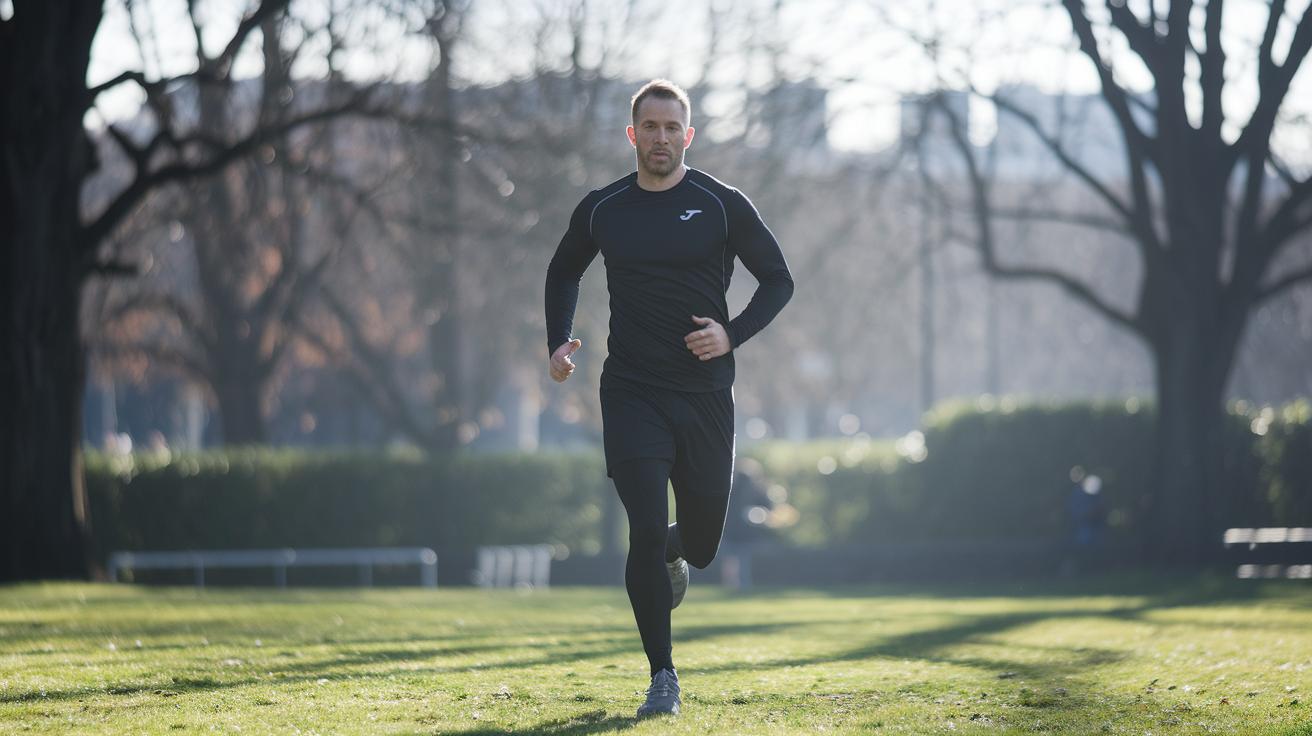
Begin each HIIT session by taking 5 minutes for a dynamic warm-up. Try a gentle jog or even march in place, slowly picking up the pace so your muscles and heart know the action is coming. It’s like giving your body a friendly heads-up before the workout begins.
When you're in the workout, start off with movements that aren't too intense. Once you feel ready, you can shift into higher-energy moves like jump squats or burpees. Remember, keeping proper form is key (this means doing the move the right way to avoid strain). If anything feels off, slow down and check if your technique needs a little adjustment.
After you've had your heart pumping, finish up with cool-down stretches. This helps your muscles relax and recover while reducing any tightness. Make sure you stay hydrated and keep an eye on your heart rate throughout the workout.
- Drink water before, during, and after your workouts.
- Watch your heart rate to stay within safe limits.
- Rest for 48–72 hours between HIIT sessions.
- Include cool-down stretches to help your body recover.
If you’re just starting out, you might find it useful to explore workout routines for beginners at home or try outdoor workouts without equipment for safe and simple options. Enjoy your fitness journey!
Final Words
In the action, we explored the essentials of what is hiit workout by breaking down its core principles. We walked through timed intervals, sample routines, and the many benefits this method brings. We also touched on smart strategies to keep your body safe while pushing hard. Each section aimed to make the HIIT method practical, effective, and approachable. Remember, a quick burst of movement can lead to big gains, so keep moving forward and enjoy every step in your fitness routine.
FAQ
What is HIIT workout good for, including weight loss?
The HIIT workout is effective for burning calories, boosting metabolism, and improving cardiovascular fitness. It supports weight loss by keeping your body burning extra calories even after your session ends.
What is a HIIT workout routine and what is considered a HIIT workout?
The HIIT workout routine alternates short bursts of high-effort exercise with brief rest periods. It fits the HIIT definition when you push your heart rate near its maximum during the exercise segments.
What is an example of a HIIT workout?
An example of a HIIT workout is performing eight rounds of 20 seconds of burpees or mountain climbers with a 10-second rest in between. It challenges both your strength and endurance efficiently.
What is a HIIT workout plan PDF?
A HIIT workout plan PDF is a downloadable document outlining a complete high-intensity interval schedule, including timing for warm-ups, work intervals, recovery phases, and cool-downs to guide your sessions.
How can beginners start HIIT workouts at home?
For beginners, a HIIT workout at home can involve simple bodyweight exercises like squats, lunges, and push-ups with short work and rest intervals. This gradual approach builds stamina safely and comfortably.
Is 20 minutes of HIIT a day enough?
Twenty minutes of HIIT daily can be very effective, providing a solid boost to your cardiovascular system, burning calories, and improving fitness, especially for those with busy lifestyles.
What are some disadvantages of HIIT training?
The HIIT workout may strain joints or lead to fatigue if overdone. It can be challenging for beginners, so it’s best to progress slowly and mix in lower-intensity exercises to reduce potential risks.

