
Ever wonder if nourishing your body could be the tastiest way to slim down? Imagine a plate piled with lean proteins (like chicken or tofu), hearty whole grains, and crisp veggies, all working together to keep you full and energized for your workouts.
Every bite helps you trim down while keeping your muscles strong, much like a perfect mix of flavor and fuel. It’s like nature’s own recipe for balancing flavor with fitness.
We’re here to share how planning balanced meals can transform the way you eat every day. With just a bit of thought, you can power through your day feeling energized and satisfied, savoring every fresh, healthy bite.
Balanced Meal Foundations for Weight Loss
Building a balanced meal is a simple yet powerful way to stay satisfied and keep your muscles strong. When you mix lean protein, whole grains, and fresh veggies on your plate, you not only tame that hunger but also give your body the vitamins and minerals it craves. Imagine dividing your 1,200-calorie day into three meals of about 400 calories each, it’s like treating your body to steady, nourishing energy throughout your busy day.
Using the right mix of nutrients is a smart approach, especially when you’re cutting calories while still wanting to build or maintain muscle. Aim for nearly 40 percent carbohydrates, 30 percent protein, and 30 percent fats. This balanced combo works like a well-tuned engine, keeping your energy steady and your body fueled for everyday activities.
- Lean protein (about 4 oz per meal)
- Whole grains or starchy vegetables (around 1 cup)
- Non-starchy vegetables (roughly 1 cup)
- Healthy fats (approximately 1 to 2 teaspoons)
- Fiber-rich foods (aim for up to 35 grams per day)
Keeping the right balance of macronutrients (the key nutrients like carbs, proteins, and fats) not only helps with digestion and keeping you full longer, but it also creates a natural calorie deficit without stealing away your energy. Each thoughtfully prepared meal makes it easier to stay on track with your weight loss journey while still enjoying delicious, wholesome food.
Weight Loss Balanced Breakfast Inspirations
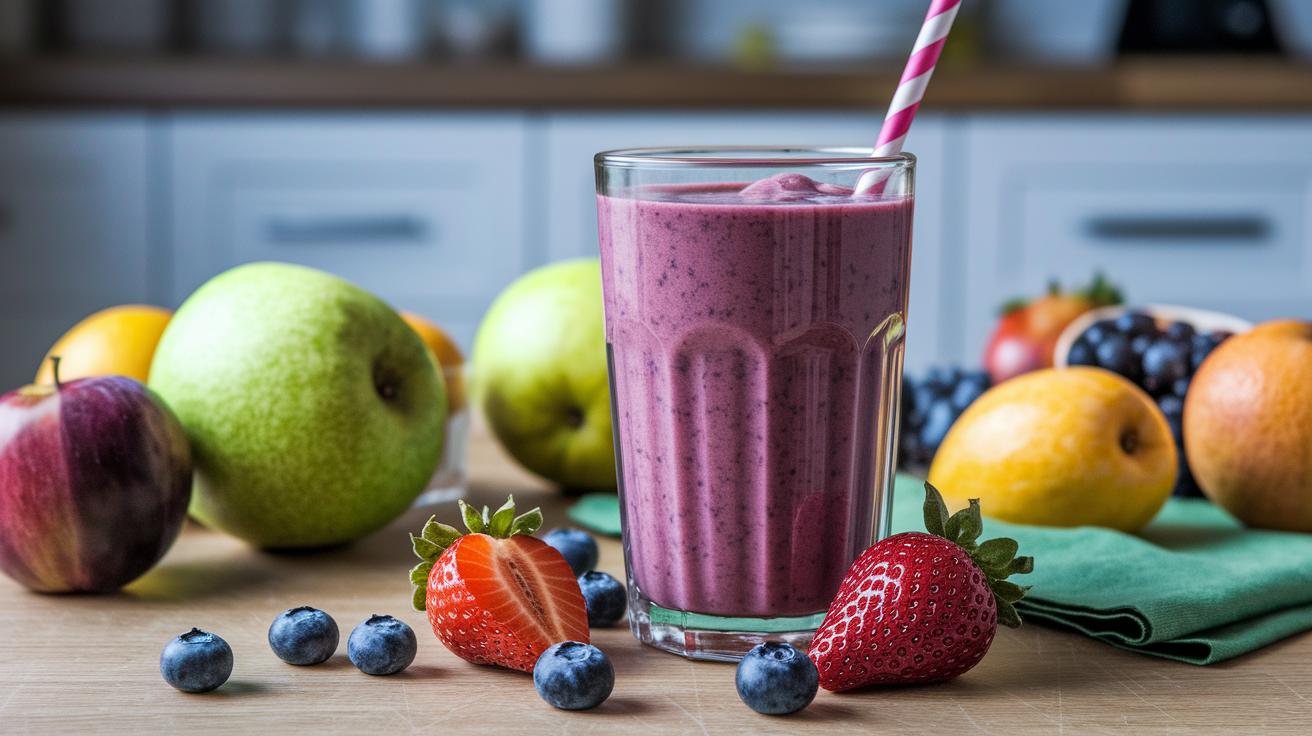
Starting your day with a hearty breakfast fuels your metabolism and gives you the energy you need for a busy day. A protein-packed morning meal can help build lean muscle and keep you satisfied until your next meal, making it a smart way to support your weight loss goals.
Berry Protein Smoothie
Try a Berry Protein Smoothie to enjoy a quick burst of nutrients. Blend 1 cup of frozen berries, ½ of a banana, and 8 oz of low-fat milk. This delicious drink contains around 250 calories along with nearly 15 grams of protein and about 40 grams of carbohydrates (simple sugars that give your energy). Its cool, fruity flavor is like a refreshing morning breeze that gently wakes you up. Plus, it only takes about 5 minutes to prepare, perfect for those rushed mornings!
Egg White Veggie Omelet
Another great option is an Egg White Veggie Omelet. Mix 3 egg whites with a generous handful of fresh spinach and diced peppers, then cook it all in 1 teaspoon of olive oil. This dish gives you roughly 25 grams of protein and keeps the calories around 200, so you get a tasty meal without overdoing it. The combination of crisp vegetables and soft egg whites creates a mix of textures and flavors that's both light and satisfying.
Prepping these meals ahead of time can really make a difference on busy days. You might pack your veggies or measure out your smoothie ingredients in advance so that everything is ready to go. With a little planning, you can easily enjoy these balanced breakfast ideas even when your mornings run wild.
Lean Lunch Inspirations for Effective Weight Control
Protein-packed lunches not only fill you up but also give your muscles the fuel they need to keep you energized all day. When you aim for a mid-day meal of around 350 to 400 calories and pack in 25 to 30 grams of protein, you're setting yourself up for a steady burst of energy that lasts well into your afternoon.
Turkey Pita Veggie Pocket
Try a whole grain pita stuffed with 3 ounces of turkey breast, a handful of mixed greens, and fresh tomato slices. This meal offers about 28 grams of protein and 40 grams of carbohydrates, making it a tasty and well-balanced choice. If you're ever in the mood for a twist, just swap the turkey for lean chicken or even low-sodium roast beef, it’s a fun way to keep things interesting.
Greek Chicken Salad
Another great option is a Greek Chicken Salad. Combine 4 ounces of shredded chicken with a quarter cup of grapes and a tablespoon of Greek yogurt. This mix brings you roughly 30 grams of protein along with 15 grams of fat. The blend of sweet and savory flavors makes it a refreshing treat that feels both light and satisfying.
Remember to pack your meals in portion-controlled containers. This little step can make a big difference in keeping your calorie intake steady and your nutrition balanced throughout the day.
Satisfying Dinner Designs Under 500 Calories
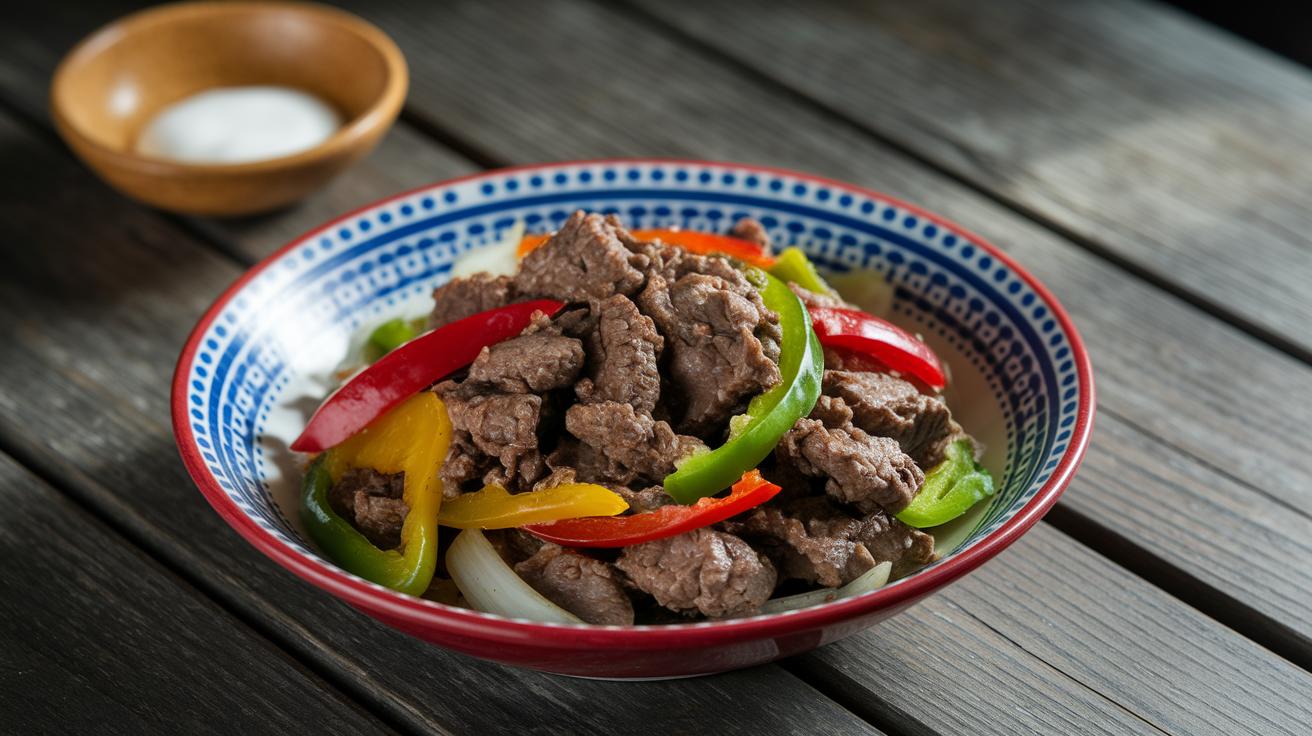
Evening meals are the perfect chance to round out your day with a burst of nutritious flavor. Finishing your day with a plate that blends protein, healthy fats, and crisp veggies helps your body recover and sets you up for a restful night. And keeping dinner under 500 calories doesn’t mean you have to sacrifice taste, you can enjoy a meal that fuels your muscles and lifts your energy.
Mongolian Beef Stir-Fry
This dish brings together tender, lean beef and a colorful mix of crunchy vegetables in a light, low-sugar sauce that’s both tasty and nourishing. The beef, cut thin for quick cooking, pairs beautifully with the fresh crunch of bell peppers and onions. At roughly 303 calories per serving and with about 25 grams of protein, it’s a satisfying choice when your evening hunger kicks in. In just around 30 minutes, you can have a meal that fills the kitchen with a delicious aroma, inviting you to enjoy every bite.
Thai Coconut Curry Tilapia
Seafood lovers will appreciate the fresh twist of the Thai Coconut Curry Tilapia. Here, mild tilapia fillets are gently broiled with a blend of spices and a light coconut milk curry sauce that offers a hint of tropical creaminess. With around 200 calories per serving, about 35 grams of protein, and just a modest 10 grams of fat, this dish is as delightful as it is balanced. Each bite gives you a mini escape to a tropical evening, where fragrant spices meet gentle heat and creamy textures.
Switching up proteins can keep your dinner routine fun and flexible. Whether you swap tilapia for chicken or try tofu for a plant-based spin, you’re ensuring that every meal remains both exciting and balanced, all while staying true to your health goals.
Quick Balanced Snack Ideas Between Meals
Snacking between meals can be a fun way to boost your energy and stop those little cravings before they take over. When your tummy starts to rumble, try a snack that blends protein, healthy fats, and a touch of carbs. For example, a hard-boiled egg (a cooked egg that's easy to grab) offers about 70 calories and 6 grams of protein. Avocado toast, made with a slice of whole grain bread and a quarter of an avocado, gives you roughly 150 calories and 4 grams of protein. And veggie sticks with 2 tablespoons of hummus (a creamy, nutritious spread) come in at about 120 calories with 4 grams of protein, a tasty option until your next meal.
Choosing the right snack can be enjoyable and simple. You can mix things up with a small cup of Greek yogurt, a handful of almonds, or some crisp apple slices that bring a natural sweetness. These ideas all help keep your body fueled and satisfied without going overboard on calories. Whether it’s hard-boiled eggs, avocado toast, veggie sticks with hummus, Greek yogurt, or apple slices, these balanced choices are perfect for keeping you nourished between meals.
Comprehensive 7-Day Balanced Meal Plan
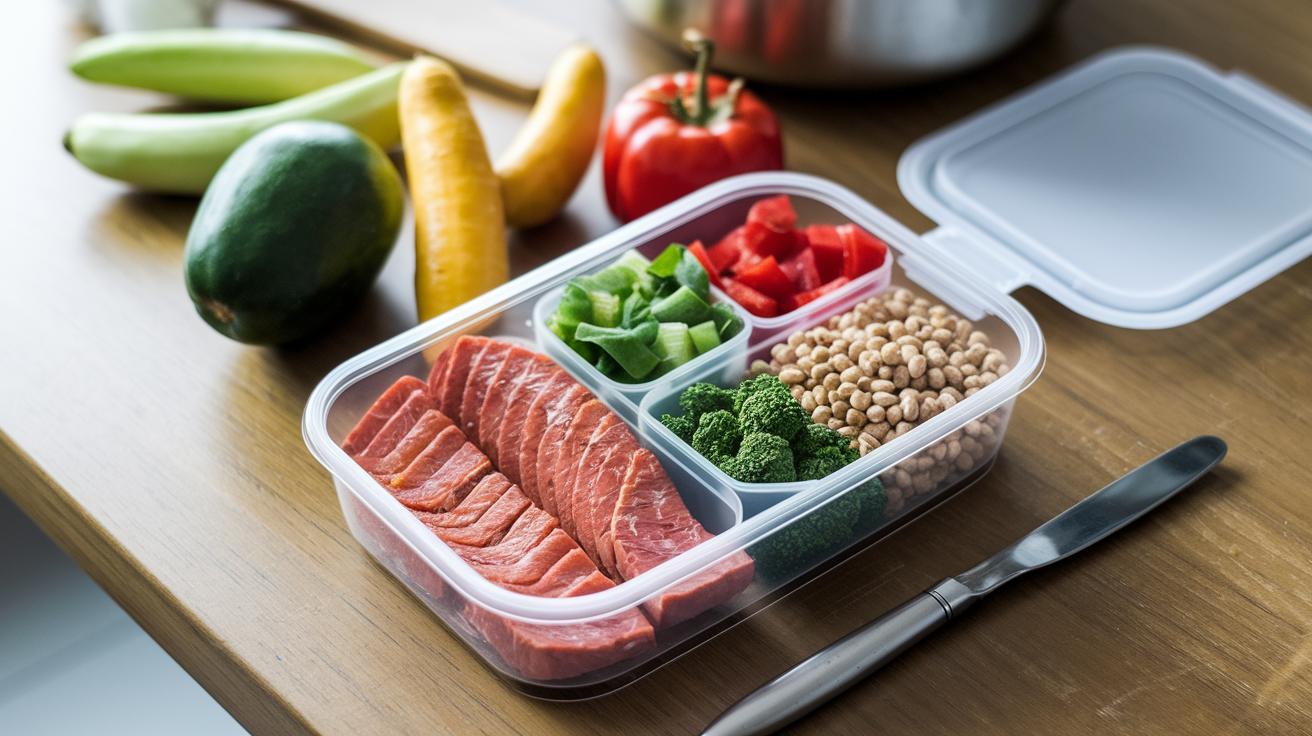
Planning your meals ahead is like setting a clear, friendly path for your day. It helps you stick to your 1,200-calorie goal while still enjoying tasty, balanced dishes. You get lean proteins, whole grains or starchy veggies (think potatoes or corn), and a bright mix of non-starchy vegetables that make every bite feel fresh and satisfying. When you know what’s coming, controlling your portions feels natural, almost like a well-rehearsed dance.
| Day | Breakfast | Lunch | Dinner |
|---|---|---|---|
| Day 1 | Cheerios with 6 oz plain Greek yogurt and 1/2 cup berries | Whole grain pita with 3 oz turkey and mixed greens | Flounder with 1 cup couscous and 1 cup steamed broccoli |
| Day 2 | Berry Protein Smoothie (1 cup frozen berries, 1/2 banana, 8 oz low-fat milk) | Vegetable soup and a veggie burger on whole grain toast | Air-Fried Spicy Chinese Eggplant |
| Day 3 | Overnight oats mixed with fresh fruit | Shredded chicken salad (4 oz chicken, 1/4 cup grapes, 1 tbsp Greek yogurt) | Seared steak with a side of cauliflower “tabbouleh” |
| Day 4 | Scrambled egg whites with spinach and whole grain toast | Mixed greens salad with chickpeas | 4 oz poached salmon, 1 cup quinoa, and 1.25 cups coleslaw |
| Day 5 | Cheerios with 1/2 cup berries and 6 oz plain Greek yogurt | Grain bowl with lean chicken and assorted vegetables | Broiled Tilapia with Thai Coconut Curry Sauce |
| Day 6 | Smoothie bowl with mixed berries and a sprinkle of oats | Turkey wrap with whole grain tortilla and veggies | Mongolian Beef stir-fry with crunchy vegetables |
| Day 7 | Protein-packed oatmeal with banana slices | Black bean salad with orange slices and a bed of greens | One-Pot Chicken Soup with white beans and kale |
This plan is meant to be your friendly guide, flexible enough to match how you feel. Feel free to adjust portion sizes or swap out ingredients based on your personal energy levels. Even tiny tweaks can make the routine feel just right for your body.
Portion-Controlled Meal Guides and Calorie Counting Tips
Portion control is a handy trick that helps keep hunger in check while giving your body the right nutrients. When you measure your food, you make sure you're not accidentally eating too many calories but still savoring every bite. Imagine a plate with about 3 oz (roughly the size of a deck of cards) of protein, 1 cup of carbs, and 1 cup of non-starchy veggies, all working together to keep your energy steady and support your weight goals.
Kitchen scales and measuring cups can really change the game. Think of a Day 1 lunch where you enjoy exactly 3 oz of turkey in a whole grain pita, or a dinner with a perfectly measured 4 oz of flounder paired with 1 cup of couscous and 1 cup of broccoli. Even a small bit of olive oil or a dollop of yogurt-based dressing measured to 1 tsp makes a big difference. These simple tools take the guesswork out of your meals, helping you keep things balanced and delicious.
Plus, there are plenty of calorie-tracking apps that let you log every measurement of your meal. They serve as a gentle reminder to adjust your portions, ensuring you hit your goals while enjoying each bite.
Smart Macro-Friendly Diet Strategies for Balanced Meal Plans
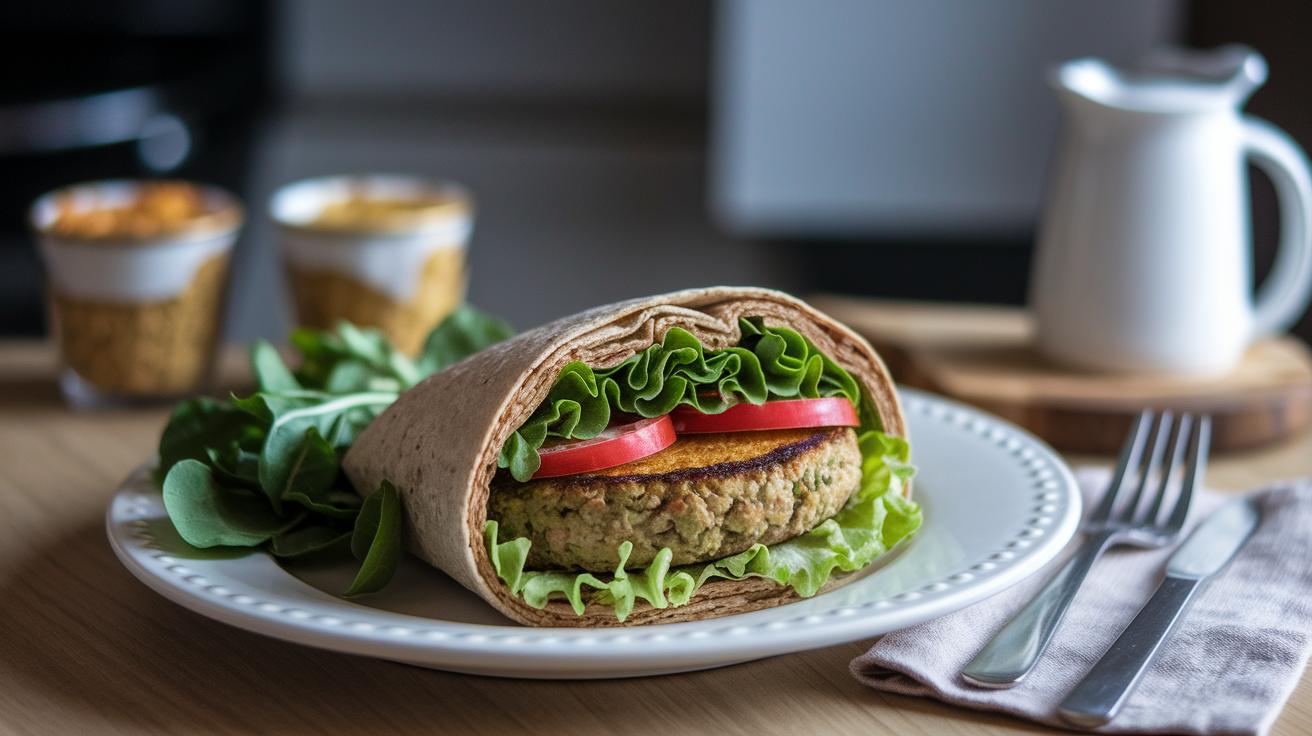
Start by making small, practical changes to your meals. Instead of repeating the same old ingredient ratios, why not try switching out one item for another to suit your energy needs each day? For instance, if you usually have a veggie burger for lunch, swap the white bun for a whole-grain wrap and add some fresh greens on the side. This simple change can add extra fiber and help keep your energy steady. One example showed that a client felt more awake when she replaced processed carbs with whole fruits during her mid-morning snack.
Keeping a food journal can be a great way to see how different food pairings affect your mood and strength. Instead of only counting calories or numbers, take a moment after each meal to note how you feel. Imagine enjoying a warm bowl of lentil soup with just a light sprinkle of cheese, and then noticing, "I felt calm and energized afterward." These personal notes can guide you to adjust your meals in a way that feels healthy and balanced, without sticking to rigid plans.
Final Words
In the action, the post showed how a well-planned meal can fuel energy and boost muscle retention. It discussed the power of combining lean proteins, whole grains, and veggies to keep you feeling full and aligned with calorie goals. Each section brought simple ideas for breakfast, lunch, dinner, and snacks, showing how portion control, balanced macros, and mindful swaps contribute to a thriving diet. Stick with weight loss balanced meals, and you'll enjoy tasty options that support a lively, healthful lifestyle. Stay motivated and keep moving forward.
FAQ
What is a 7-day diet plan for weight loss?
The 7-day diet plan for weight loss lays out balanced meals for each day with measured portions that help create a calorie deficit while keeping your energy and muscles supported.
How do weight loss balanced meals for dinner work?
Weight loss balanced meals for dinner combine lean proteins, whole grains or starchy vegetables, and non-starchy vegetables, ensuring your evening meal remains satisfying, nutrient-rich, and within your calorie goals.
What are easy and simple weight loss balanced meals?
Easy and simple weight loss balanced meals feature set portions of lean proteins, whole grains, fruits or vegetables, and a bit of healthy fat to fuel your body while keeping meals uncomplicated and calorie-smart.
How does a meal plan for weight loss work for beginners and females?
A meal plan for weight loss designed for beginners and females includes balanced portions of lean protein, whole grains, veggies, and healthy fats to keep energy levels steady and hunger at bay while supporting a healthy calorie deficit.
What does a 10 kg weight loss in 7 days diet plan mean?
A 10 kg weight loss in 7 days diet plan refers to an extreme reduction in calories that is often unsafe. Instead, gradual changes with balanced meals provide lasting benefits without compromising your health.
What are 5 foods to eat to lose weight?
The 5 foods to eat to lose weight might include lean proteins, leafy greens, whole grains, fruits with high water content, and fiber-rich foods; all boost fullness while helping maintain steady calorie control.
What is the healthiest meal for losing weight?
The healthiest meal for losing weight balances lean protein, whole grains, non-starchy vegetables, and a small serving of healthy fats, offering essential nutrients while keeping calorie intake in check.
What is the 3-3-3 rule for weight loss?
The 3-3-3 rule for weight loss describes dividing your plate into three balanced parts—lean protein, carbohydrates, and healthy fats—each supporting steady energy and satiety throughout the day.
How do I drop 20 pounds fast?
Dropping 20 pounds fast should involve safe changes like following a balanced meal plan, practicing portion control, staying active, and consulting a health professional to ensure a gradual and sustainable reduction in weight.

