
Ever thought losing weight could taste as great as a yummy meal? A lot of people think you have to say bye to your favorite foods when you’re trying to slim down. But a smart way to eat shows that mixing lean proteins, healthy grains, crisp veggies, and juicy fruits can really fuel you up for the day.
Matching the right calorie amounts with flavors that make your mouth smile has a surprisingly positive effect on both your energy and your taste buds. In this guide, we’ll show how balanced meals work to control your calories while keeping you active and feeling great.
Foundations of Balanced Meals for Effective Weight Loss
Choosing meals with the right calorie counts can be a smart way to manage your weight while still enjoying delicious food. Whether you're following a 1,200- or a 1,500-calorie plan, these meal ideas offer clear guidelines to keep you feeling full and energized all day. For instance, a 1,500-calorie plan is designed to include lean proteins, whole grains, veggies, and fruits, perfect for staying active and healthy.
Balancing your protein, carbohydrates, fiber, and fats is key to keeping your body fueled without feeling restricted. When you know exactly how much of each nutrient you need, it can help keep your energy steady and your meals satisfying.
| Nutrient | Recommended Range |
|---|---|
| Protein | 67–98 g |
| Carbohydrates | 111–172 g |
| Fiber | 30–45 g |
| Fat | 62–94 g |
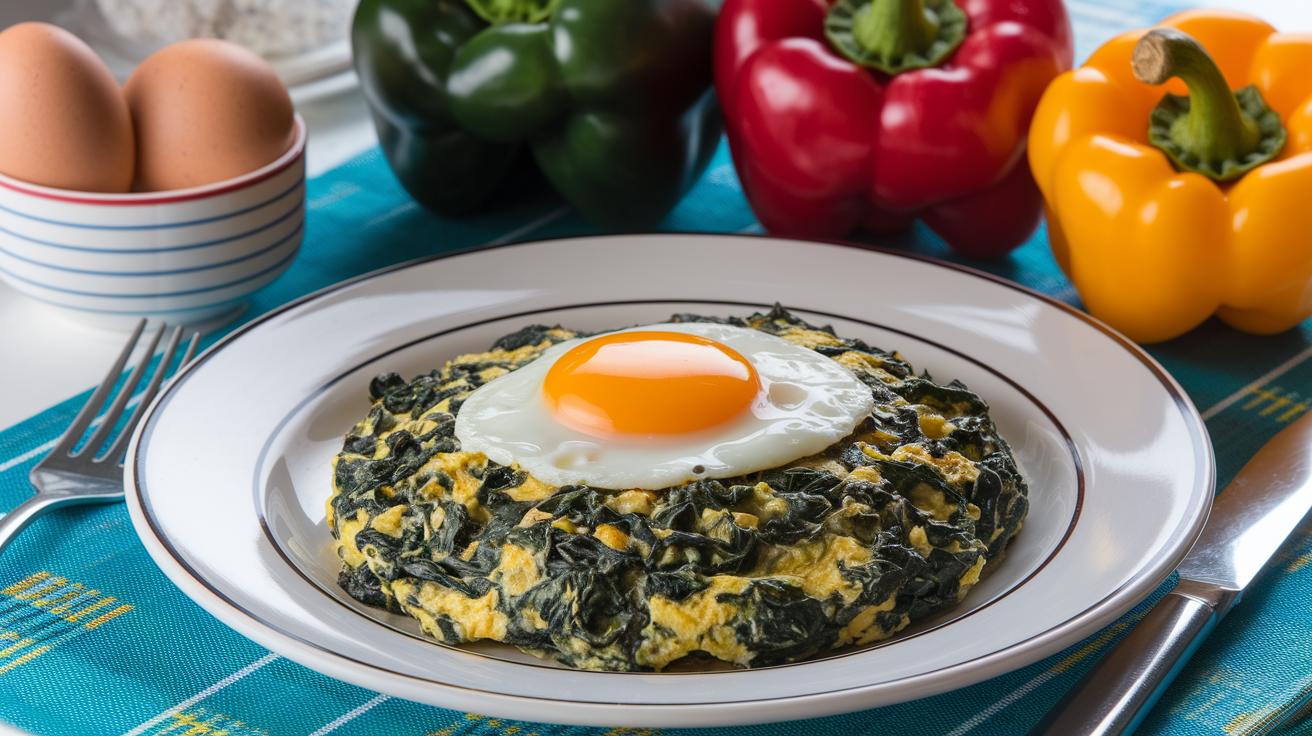
These numbers become handy guides for planning everyday meals. For example, a balanced breakfast could be a warm spinach and egg scramble with a side of fresh raspberries (about 285–296 calories). Lunch might be a tasty chicken Caesar pasta salad (around 383–405 calories), and dinner could feature a plate with 4 oz of flounder, 1 cup of couscous, and a cup of steamed broccoli. Each meal is thoughtfully planned to provide the right nutrients while keeping calories in check, so you can savor your food and stay on track with your weight loss journey.
Daily Meal Structure for Balanced Meals to Lose Weight
When you plan your meals, it helps to match your eating schedule with your daily activities while hitting your nutrition goals. Setting specific meal times with clear calorie and macronutrient targets (like protein, carbs, and fats) can really power you through workouts, work, and everyday tasks. Think about enjoying breakfast when you wake up, grabbing lunch when you start to feel low, and winding down with a healthy dinner.
| Meal | Calories | Protein (g) | Carbs (g) | Fiber (g) | Fat (g) |
|---|---|---|---|---|---|
| Spinach & Egg Scramble | 285–296 | 21 | 30 | 5 | 12 |
| Chicken Caesar Pasta Salad | 383–405 | 28 | 38 | 4 | 14 |
| Flounder & Couscous | 350 | 25 | 45 | 6 | 10 |
If you need to adjust your portions to suit your calorie needs, go for it. For example, if you find your energy dipping in the late morning, try adding a bit more lean protein, like some grilled chicken strips, or toss in a side of crisp, fresh vegetables. Small tweaks can make a big difference in keeping you energized all day.
Portion-Controlled Recipes to Lose Weight Across Meals
Kick off your morning with a breakfast that not only fuels your body but also feels like a gentle boost from a caring friend. Imagine starting your day with a warm Spinach & Egg Scramble, offering roughly 285 to 296 calories. This dish brings a perfect blend of protein and healthy fats (fats that help manage energy and support body functions) to set a positive tone for your day. Or, if you’re in the mood for something cool and refreshing, try a Yogurt Parfait with berries and granola at just 250 calories. Picture the pleasant crunch of granola mixed with the smooth taste of yogurt, it’s a delightful way to nourish your body and keep you feeling light.
For lunch, treat yourself to meals that are as satisfying as they are mindful of your calorie intake. A Chicken Pita loaded with roasted pepper and grapes is a tasty option around 350 calories. The lean protein from the chicken works hand-in-hand with the crisp, sweet veggies to keep your energy up. Alternatively, a Turkey & hummus veggie wrap comes in at about 300 calories, combining the tangy kick of hummus with fresh, crunchy vegetables. These lunch ideas are thoughtfully portioned to help you maintain steady energy throughout the day while enjoying every bite.
When dinner time rolls around, unwind with wholesome recipes that keep the dinner table both exciting and balanced. Consider a Mediterranean shrimp salad, a vibrant dish that features 42 grams of protein and totals 500 calories, perfect for muscle support and winding down after a busy day. If you’re craving something a bit lighter, try the Cauliflower "tabbouleh" with salmon, which comes in at 303 calories and offers 30 grams of protein. These dishes make it easy to meet your calorie goals while treating yourself to a meal that’s both delicious and satisfying.
Meal Prepping with Nutrient Precision for Consistent Fat Loss
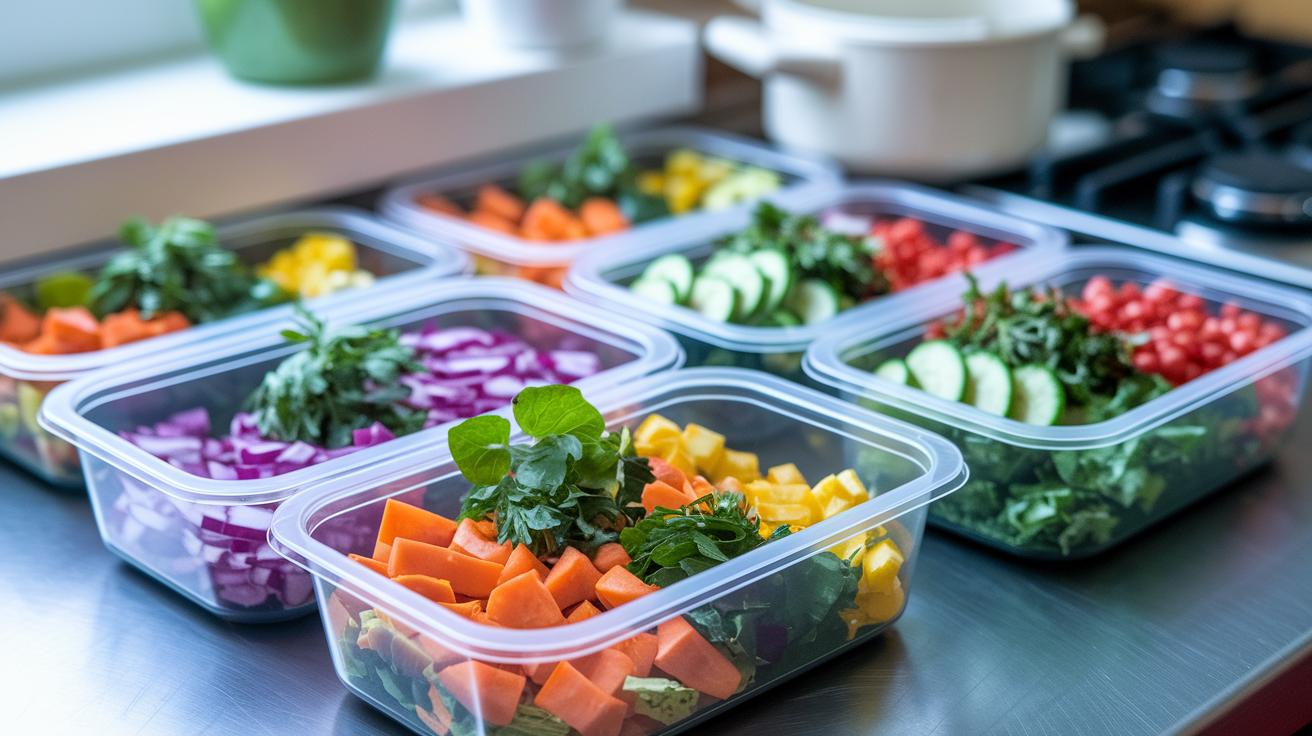
Meal prepping is a smart way to save time and enjoy balanced meals that help you shed fat. When you plan ahead, you can control your portions and know exactly what’s going into your meals. This means you avoid those spur-of-the-moment choices that might sneak in extra calories, while still enjoying yummy dishes that keep you satisfied all day.
Think about starting your week with a batch of Brussels Sprouts Salad with Crunchy Chickpeas for days 2 to 5. Then, for days 9 to 12, try making Spicy Slaw Bowls with Shrimp and Edamame. Next, whip up a Spinach and Strawberry Meal-Prep Salad for days 16 to 19, and finally, finish with Chicken Caprese Pasta Salad Bowls for days 23 to 26. Just divide each dish into airtight glass containers, label them by day, and you’re set for a week of nourishing meals. A quiet weekend afternoon can be the perfect time to get this done, making your busy days a lot easier.
Mix things up during the week by combining your prepped items. For example, add a side of pasta to your salad or toss in extra fresh veggies with your protein bowl. Rotating your meals not only keeps your taste buds happy but also helps maintain a balanced eating plan without feeling repetitive.
Smart Calorie Distribution and Nutrient Timing for Energy Balance
When you spread your protein, carbohydrates, and fats evenly throughout the day, it helps keep your energy steady. For instance, enjoying about 20-30 g of protein (the basic building block for your muscles) at each meal not only helps you feel full but also keeps your muscles strong. Adding 10-18 g of healthy fats (fats that help stabilize your blood sugar and curb cravings) can further balance your body's needs. Imagine savoring a handful of almonds with a small piece of fruit as a snack, simple yet satisfying.
Pre- and post-workout nutrition is a great way to power up and recover smoothly. Try eating 30-50 g of carbohydrates before a workout, which gives your muscles the fuel they need (think of these carbs as quick energy boosts). After exercising, consuming a similar amount can help replenish the energy you just used. Picture wrapping up a brisk run and then enjoying a slice of whole-grain toast with a bit of nut butter, it’s an easy, delicious way to keep your energy in balance.
Delicious Balanced Dinner Ideas for Weight Control
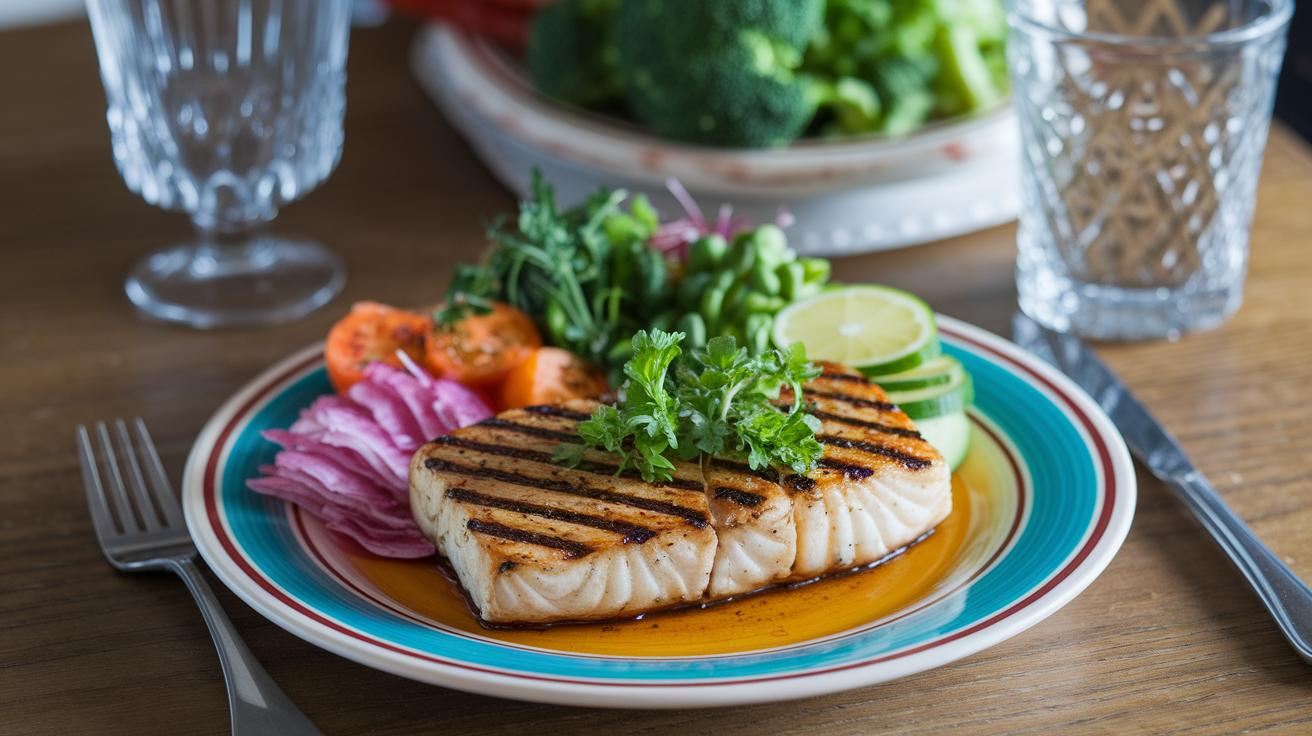
Imagine sitting down to a dinner that not only fills you up but also supports muscle repair (your body’s natural fixer) and boosts your metabolism (the process your body uses to burn energy). A meal packed with lean proteins and crunchy, fiber-rich veggies leaves you feeling satisfied all evening without that overwhelming stuffed feeling. It’s a dinner that brings together great taste and lasting energy, keeping your calorie count in check while delivering essential vitamins and minerals.
When your plate is full of these nutritious ingredients, you naturally fend off late-night cravings. It feels amazing to know that your food nourishes you on so many levels, fighting hunger, providing vital nutrients, and offering a burst of freshness with every bite. Think of it as a meal that supports your balanced lifestyle, making you feel both light and energized.
Check out these recipes crafted to help you stick to a healthy weight-loss plan. Caribbean steamed fish is a refreshing option at 303 calories, with bright herbs and a splash of citrus. Adobo-glazed Portobello tostadas bring a zesty twist at 350 calories. For a heartier choice, try spiced stuffed peppers that pack 30 grams of protein in a 400-calorie serving. If you’re looking for a filling salad, the Chipotle shrimp salad offers 42 grams of protein in a 450-calorie dish. And for a flavorful, fiber-packed meal, air-fried spicy eggplant is a tasty 320-calorie option.
Final Words
In the action, we covered how a daily plan with careful calorie control and macro targets can set you up for success. We looked at specific meal structures, portion recipes, and smart nutrient timing that keep your energy high and hunger at bay.
By creating balanced meals to lose weight, you’re setting the stage for a nutritious, fulfilling lifestyle. Keep experimenting with colors, flavors, and portions, you’re on your way to a more vibrant, healthier you.
FAQ
What is a 7-day diet plan for weight loss?
A 7-day diet plan for weight loss offers a structured schedule with calorie-controlled meals focusing on lean protein, whole grains, and fresh produce to help reduce calories while keeping you energized.
What is the best balanced diet and meal to eat for losing weight?
A balanced diet for weight loss includes meals with lean proteins, whole grains, fruits, and vegetables. These meals keep you full, support energy levels, and naturally contribute to fat reduction.
What foods should I eat to lose weight, especially around the stomach?
Foods that support weight loss, including reducing belly fat, often feature fiber-rich vegetables, lean proteins, whole grains, healthy fats, and antioxidant fruits, which help keep you satiated and manage cravings.
What does a weight loss diet chart for females or a beginner diet plan include?
A weight loss diet chart for females typically provides a beginner-friendly meal schedule with calorie-controlled, nutrient-dense meals featuring lean proteins, whole grains, and plenty of fresh vegetables for gradual fat loss.
What is the 3-3-3 rule for weight loss?
The 3-3-3 rule for weight loss means planning three meals, each containing balanced portions of protein, carbohydrates, and fats. This balanced approach helps maintain energy levels and control hunger throughout the day.

