
Have you ever thought a simple roast could completely change your meal? Roasting veggies brings out a lovely, natural sweetness that makes every bite a bit of a surprise. Imagine perfectly browned butternut squash and soft, tender potatoes coming together on your plate, it’s like a little dance of flavors.
In these recipes, we walk you through each easy step so you can whip up delicious meals without any fuss. With just a few simple touches, your fresh, seasonal vegetables transform into a tasty side or even the star of your meal.
Ready to see how roasting can boost the flavor of your everyday cooking? Let’s dive in.
Step-by-Step Roasted Vegetable Recipes for Perfect Results
Before you dive in, grab a few essentials: two large baking sheets lined with parchment, a sharp knife, and a big mixing bowl. Preheat your oven to 425°F to make sure every veggie gets roasted evenly. Measure out 2 cups of cubed butternut squash and about 10 small potatoes (roughly 400g or 14 oz). Cut the potatoes into halves or quarters based on their size, and set the onions aside so they don’t overpower the other flavors.
Next, spread your vegetables out in a single layer on the baking sheets. This little trick gives them room to brown perfectly. Drizzle them with olive oil and sprinkle on some salt and pepper. Keeping it simple here makes it easy to experiment later with extra herbs or spices once you’ve mastered the basic roast.
- Preheat the oven to 425°F.
- Trim, peel, and chop the vegetables: cut 2 cups of butternut squash into 1-inch cubes; halve or quarter the small potatoes; and keep the onions separate.
- Toss all the vegetables together with olive oil, salt, and pepper.
- Spread them evenly on two parchment-lined baking sheets.
- Roast for 20–30 minutes, or until the veggies are tender and lightly browned.
- Rotate the baking sheets halfway through to ensure even roasting.
Keep in mind that not all vegetables cook at the same pace. If you notice some pieces need more time, feel free to add a few extra minutes or swap the pans around. And if you’re using a fan oven, watch closely since they might brown faster than expected.
Selecting and Prepping Vegetables for Oven Roasted Vegetable Recipes
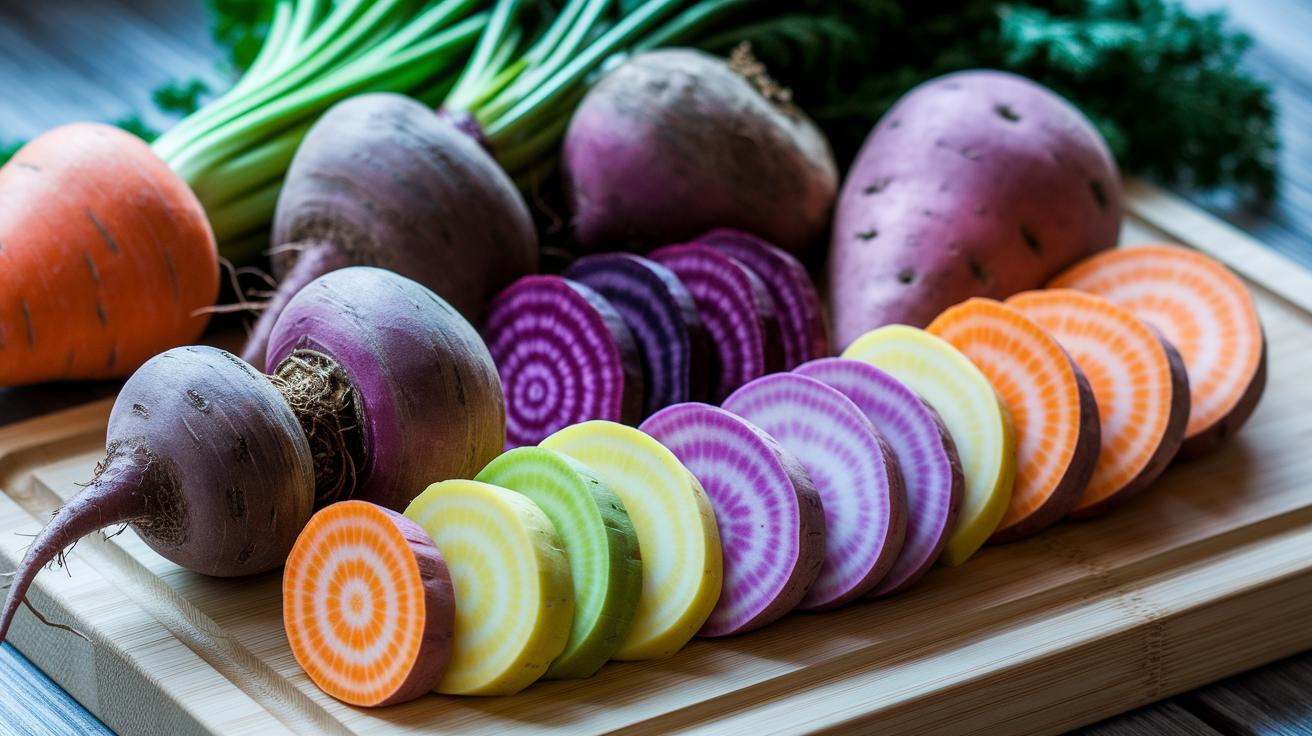
When you choose seasonal and root vegetables, you’re not just putting color on your plate, you’re also letting natural flavors shine, especially during the cooler months. In Australia, winter menus lean on veggies like carrots, parsnips, beetroot, and sweet potato because they bring a nice mix of sweetness and earthiness. These vegetables are packed with nutrients and make for a hearty, satisfying meal. And best of all, root vegetables are pretty forgiving when roasted; you get tender bites with a light crisp on the edges while still enjoying their real textures.
Here are some simple tips for prepping your veggies:
- Carrots: Slice them into ½-inch pieces. This helps keep their natural sweetness and lets them cook quickly.
- Parsnips: Also cut these into ½-inch slices. They add a gently nutty flavor.
- Beets: Cut into ½-inch rounds to brighten up your dish with both color and a bit of sweetness.
- Sweet Potatoes: Slice into ½-inch pieces. This method creates a tender inside with a crispy outside.
- Small Potatoes: Cut these in half so they cook evenly and bring their starchy bite.
- Onions: Slice them separately since they roast faster and may overpower the other flavors if mixed in.
- Fennel: Thin slices work best, releasing a mild licorice-like note that complements richer, earthy flavors.
- Squash (like butternut): Cube into 1-inch pieces for even cooking and a consistently hearty texture.
Making sure every piece is cut to a similar size is key, it means every vegetable will roast at the same rate. And a little tip: since some vegetables might need a bit more time than others, keeping the onions separate from the denser roots can help them from getting too soft while the other veggies brown beautifully.
Flavor and Seasoning Variations in Roasted Vegetable Recipes
Start with a simple mix that brings out each veggie's natural taste. Toss your vegetables in olive oil, a little salt, and a bit of pepper. This classic combination helps the fresh flavors shine through, much like a gentle reminder that sometimes less really is more.
Next, try out an herb-and-garlic blend to add a deeper flavor to your dish. Imagine mixing rosemary, thyme, and minced garlic together in a balanced way. A handy tip is to use three parts olive oil, two parts fresh herbs, and one part garlic. This way, every bite feels just right without one flavor taking over.
Then, for a fun twist, consider spice-forward and citrus-infused methods. Sprinkle in cumin and paprika or drizzle a bit of garlic-chili oil to give your roast a little kick. Add a splash of lemon zest, a drizzle of balsamic, or a swirl of tahini in the last few minutes of cooking. These additions not only brighten your dish but also keep the bold flavors fresh and exciting.
Quick Roast Veg Tips and Troubleshooting for Roasted Vegetable Recipes
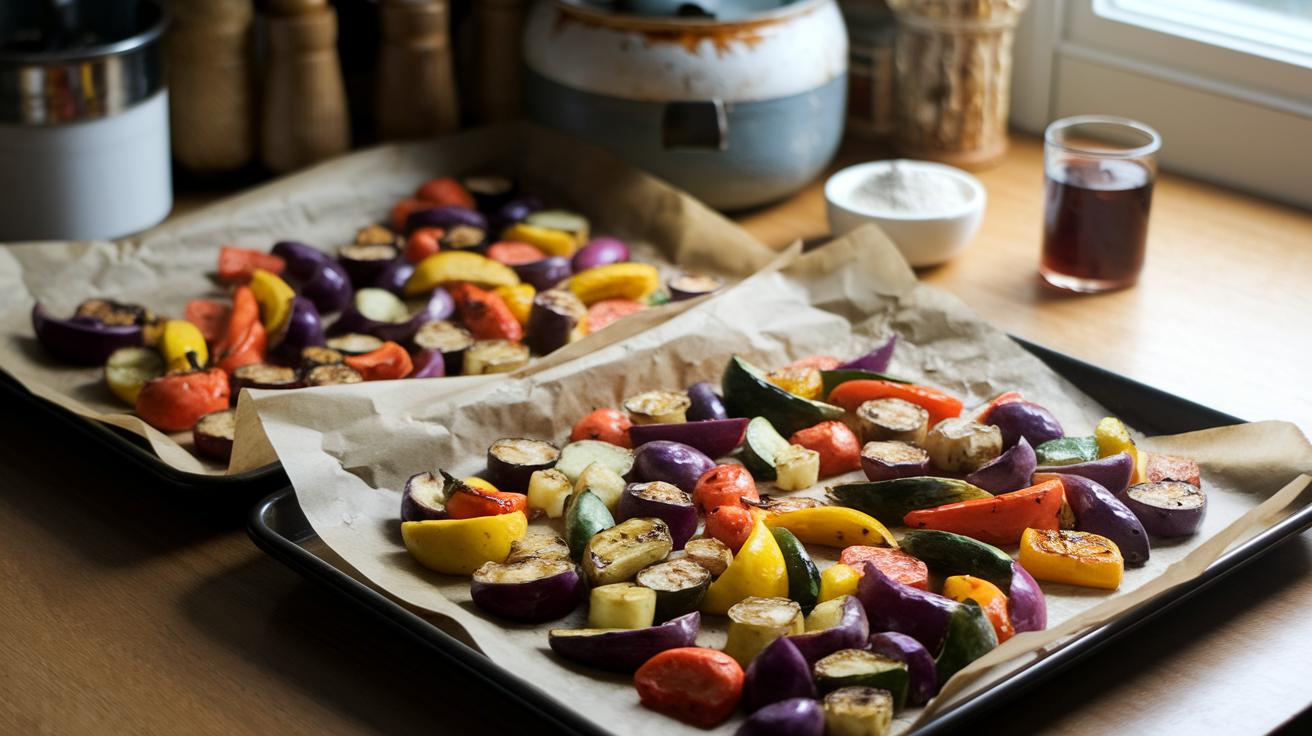
Sometimes your roasted veggies turn out soggy or have uneven color, making it tough to get that perfect, crispy finish. This often happens when the veggies are crowded together or not spread out on a single layer of parchment. When they overlap, they release extra moisture, much like when mashed potatoes end up watery instead of light and fluffy. It really pays to arrange them just right.
A neat trick is to rotate your pans halfway through roasting. Spread your veggies across two baking sheets lined with parchment so they have plenty of space to brown evenly. Imagine this: after 15 minutes in the oven, you switch the positions of your pans so every veggie gets an equal share of that warm, golden heat. It’s a simple change that makes a huge difference in both look and taste.
For that perfect texture, try using a fan-assisted oven set at 180°C (350°F) to give your veggies a crisp edge. And if you’re after that extra char, a burst of high heat at 450°F (230°C) toward the end can work wonders. If you notice any vegetables sticking or getting too sugary from caramelizing too fast, toss them with a little more oil midway through roasting. These little tips help make sure every piece is crispy on the outside and soft on the inside, a real treat for your taste buds.
Serving and Pairing Ideas for Roasted Vegetable Recipes
Imagine taking your warm, roasted veggies and transforming them into a tasty salad or a hearty grain bowl. Picture tossing your veggies with crisp, fresh greens to create that lovely crunch or mixing them with grains for a bowl that’s both filling and colorful. For example, try mixing roasted sprouts or butternut squash with a zesty citrus cabbage salad, they blend together for a burst of flavor. It’s all about how the natural sweetness of roasted vegetables plays nicely with the earthiness of grains, giving you a meal you can make your very own.
Think about pairing your roasted vegetables with proteins or sides for a complete meal. They work wonderfully with roasted meats for a cozy dinner or with tofu if you’re keeping things vegan. Even a creamy bowl of polenta can be a delightful partner, soaking up all those rich, spiced veggie flavors. It’s as if every extra ingredient brings its own texture and flair, making your dish feel balanced and exciting with each bite.
And hey, a little drizzle of yogurt or a swirl of tahini sauce can add that extra creamy touch. Sometimes, it’s these small details that turn a simple dish into something that looks and tastes amazing, like a party on your plate.
Storing, Reheating, and Batch Prep for Roasted Vegetable Recipes
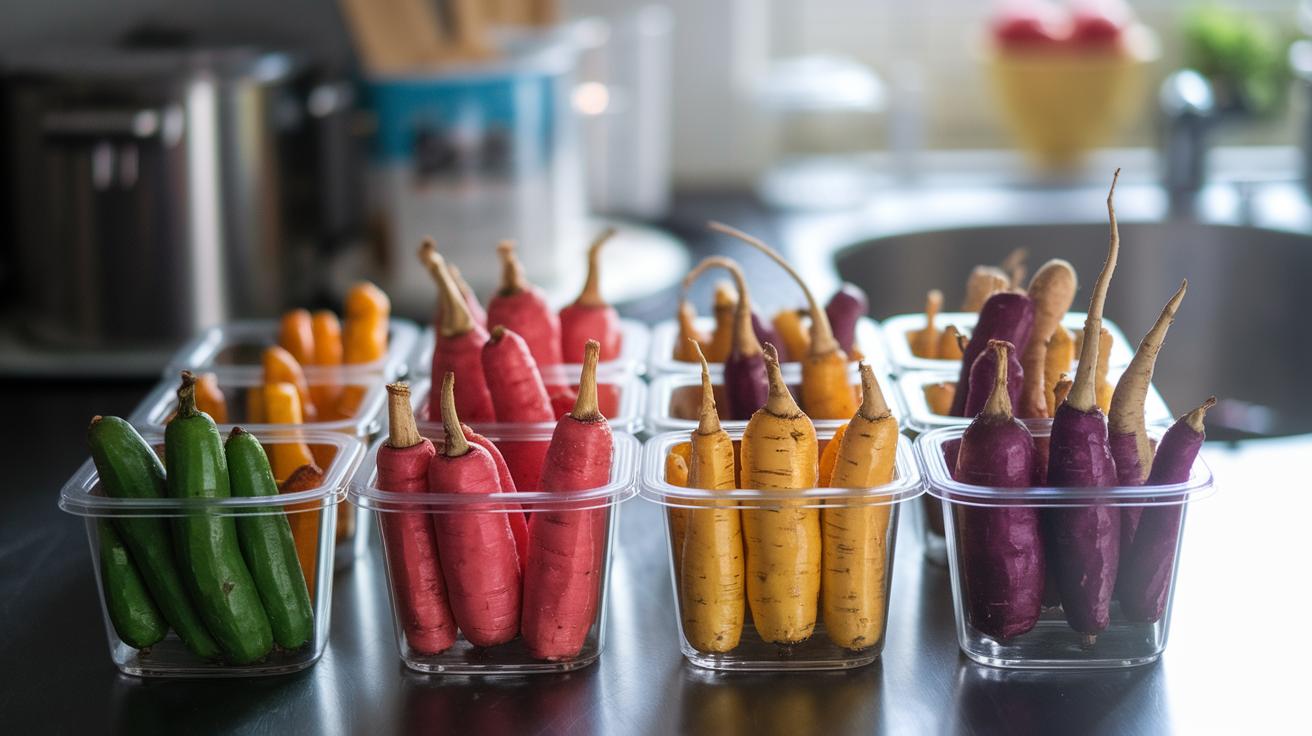
Stashing your roasted veggies in airtight containers makes mealtime a breeze, especially on busy days. You can chill them in the fridge for up to 4 days, so whenever you're in a rush, a tasty side is just waiting for you. It’s a great trick after you’ve prepped a big tray of mixed root vegetables, imagine opening your fridge and finding a burst of warm, roasted goodness ready to go.
When you're ready to dig in, bring back that delightful crunch by heating them in the oven at 375°F (or about 190°C) for around 10 minutes. You can also give them a quick stir-fry on the stovetop to revive that satisfying texture without losing any flavor.
Once your veggies have cooled, it's time to portion them out for easy batch prep. Split them into meal-sized servings, and for any extras, pop them in freezer-safe containers. This way, you can thaw just what you need while keeping your meals light, tasty, and packed with that authentic roasted flavor every time.
Final Words
In the action, we covered step-by-step guidance on cutting, seasoning, and roasting your favorite veggies. We explored practical tips for even browning and tweaks for mixed vegetables, along with ideas for pairing your roasts with salads, grains, or proteins.
Every part of this article ties into creating delicious, easy-to-follow roasted vegetable recipes that elevate your everyday meal. Enjoy experimenting with flavors, timing adjustments, and fresh ingredients to keep your plate both vibrant and satisfying.
FAQ
What are the best vegetables to roast?
The best vegetables to roast include carrots, potatoes, onions, and squash. They all develop a sweet and savory flavor when cooked evenly, especially when cut uniformly for a crispy yet tender finish.
What defines Mediterranean roasted vegetables?
Mediterranean roasted vegetables feature colorful additions like eggplant, zucchini, tomatoes, and olives. They are tossed in olive oil with herbs to bring a fresh, vibrant taste that delights the senses.
How does Jamie Oliver’s approach to roasted vegetables work?
Jamie Oliver’s approach involves using simple, fresh vegetables with olive oil, salt, and pepper. His technique emphasizes even cutting, proper roasting temperature, and stirring halfway to boost flavor.
What is the secret to roasting vegetables perfectly?
The secret to perfect roasted vegetables is uniform cuts for even cooking, a single-layer arrangement on parchment-lined pans, and preheating your oven to the right temperature to achieve caramelized edges.
What is the single ingredient for the crispiest roasted vegetables?
The single ingredient for achieving crispy roasted vegetables is olive oil. It helps to draw out moisture and encourages a beautiful golden, crisp finish on the edges of the vegetables.
What seasoning is good on roasted vegetables?
A reliable seasoning mix for roasted vegetables includes olive oil, salt, and pepper. You can add herbs like thyme or rosemary and spices such as paprika for an extra twist on traditional flavors.
What can I serve with roasted vegetables?
Roasted vegetables work well as a hearty side or can be added to salads and grain bowls. Pair them with proteins like chicken, tofu, or turkey meat for a balanced and satisfying meal.
How do you roast vegetables and potatoes on a sheet pan?
To roast vegetables and potatoes on a sheet pan, arrange them in a single layer on parchment, preheat the oven to 425°F, and roast for 20–30 minutes, turning pans once to ensure even browning.

