
Have you ever noticed that just taking a moment to pause can spark real change in your life? It’s like watching soft clouds float by, you see fleeting thoughts that help reveal who you truly are.
This mindful pause lets you understand your feelings in a straightforward way, giving you a fresh look at how you react to everyday moments. With every single pause, you gradually build a clearer picture of yourself, paving the way for thoughtful choices and real change.
So, why not explore these mindful moments? They might just light your path to a balanced, more aware life.
Mindfulness for Self-Awareness: Core Benefits and Foundations
Self-awareness is all about truly seeing who you are by taking a moment to reflect and practice mindfulness. Think of it like watching clouds drift slowly by, you notice a worry or a fleeting thought and let it pass. Sometimes you might say to yourself, "I saw that worry float away," which helps remind you that it doesn’t stick around for long.
When you tune into mindfulness, you begin to step back and watch your thoughts as if you’re watching a movie of your own life. This way of seeing things comes from a simple idea: you can have a clear view of your true self while letting the noise of running thoughts fade into the background. It’s a bit like chilling out and letting events unfold without harsh judgment, giving you fresh insights into your reactions and emotions.
Years of research show that when you build self-awareness, it not only helps you make better choices but also smooths out your emotional ups and downs. People who take time to reflect often find that they can handle their feelings better and even build stronger relationships. It’s like giving yourself a small pause that makes a big difference in how you connect with the world around you.
Mindfulness goes beyond just a practice, it’s a way of opening your eyes to who you truly are. For instance, imagine taking a break during a busy day to simply notice the rhythm of your breath or the sounds around you. In that moment, you might feel an inner calm that steadies you through stressful times. With a bit of practice, this habit not only boosts personal growth but also brings a sense of balance and clarity to daily life.
Mindfulness Meditation Techniques for Deep Personal Insight

Start by trying a simple practice that helps you see your thoughts as passing moments. Imagine your thoughts as clouds floating by, and gently notice each one before letting it go. Say it to yourself like, "I see that thought come and go, just like a brief flash in the sky." This reminds you that thoughts come and go quickly.
Next, give a body scan a try. Sit in a comfy spot and feel how your feet rest on the floor or how your chair supports you. Pay attention to little feelings in your body without judging them good or bad. This helps you feel grounded in the here and now.
Then, focus on your breathing. As you breathe in, silently say "breathing in" and as you breathe out, think "breathing out." This gentle cue helps center your attention on the present moment.
You can work these techniques into your day. Maybe during breakfast or a short break, take a few minutes to watch your thoughts, feel your body, and connect with each breath.
Reflective Meditation Exercises to Enhance Self-Perception
Take a moment to really listen to your inner self with reflective meditation. Sit down in a quiet spot and let your thoughts float by, like clouds in a clear sky. Notice each thought without judging it, just like watching a movie of your inner mind.
Another fun way to get in touch with yourself is through yoga. Enjoy every stretch, every deep breath, and feel your body move naturally. This isn’t just great for your body, it helps you learn more about what makes you, you.
Try to set aside a few minutes each day for some quiet reflection. Think about your actions and feelings as if you were a friendly observer. You might even want to jot down your thoughts in a journal. Ever notice a surprising reaction during a regular day? Writing it down can uncover hidden insights about you.
And don’t forget to chat with someone you trust. Getting gentle feedback from a friend can show you new angles on habits you might miss on your own. With regular practice, these simple exercises help build a clear understanding of yourself and open up new paths for personal growth.
Journaling Methods in Mindful Self-Reflection

Journaling is a simple way to explore your inner world without harsh judgments. Think of it like having a heart-to-heart with a good friend. For example, one journalist once felt a constant mix of anger and stress at work. He used his journal to see patterns in his emotions and realize that blaming others wasn’t really helping him understand why he truly felt upset.
Try writing without judging your feelings. Let your thoughts spill out naturally, just like talking to someone you trust. You might write, "Today, I felt a burst of tension when a work call stirred up old worries." This kind of honest journaling keeps you connected with your emotions as they happen.
It also helps to note every emotion as it comes. By jotting down how you feel right in the moment, you sharpen your ability to notice even the small shifts in your mood. Later, when you read your journal, you might spot that certain situations bring on similar feelings again and again. This insight can help you deal with stress in a better way.
- Write freely, without judgment
- Record your feelings as they occur
- Review your journal entries each week
Next time you need a mindful moment, try picking up a pen and seeing where your thoughts lead you.
Techniques for Inner Awareness and Emotional Clarity
When stress shows up or you start dodging your feelings, try this simple trick to clear your head. Find a quiet spot, sit back, and pay attention to five things: your thoughts, your emotions, the physical feelings in your body, any sudden urges, and the actions that follow. Picture your mind as a calm room where each item, like a phone charger or a favorite picture, stands for a unique part of your inner experience. This helps you see that your inner world isn’t just a jumbled mess, it’s a collection of parts you can understand and control.
Take your time with every step. For example, if you’re feeling a bit anxious about an upcoming event, start by naming your thoughts, say, “I’m worried about the meeting.” Next, notice the feelings that come up, like a touch of fear or frustration. Then, check in with your body, maybe your shoulders feel tight. Recognize any urges you have, like wanting to escape the situation, and finally, observe any actions, even if it’s just clenching your fists.
- Notice your thoughts
- Acknowledge your feelings
- Feel the physical sensations
- Spot any urges
- Observe your actions
Using this method regularly will help you catch stress before it takes over. It’s a simple, clear way to boost your inner awareness and keep your mind at ease.
Mindful Living Practices to Foster Ongoing Self-Growth
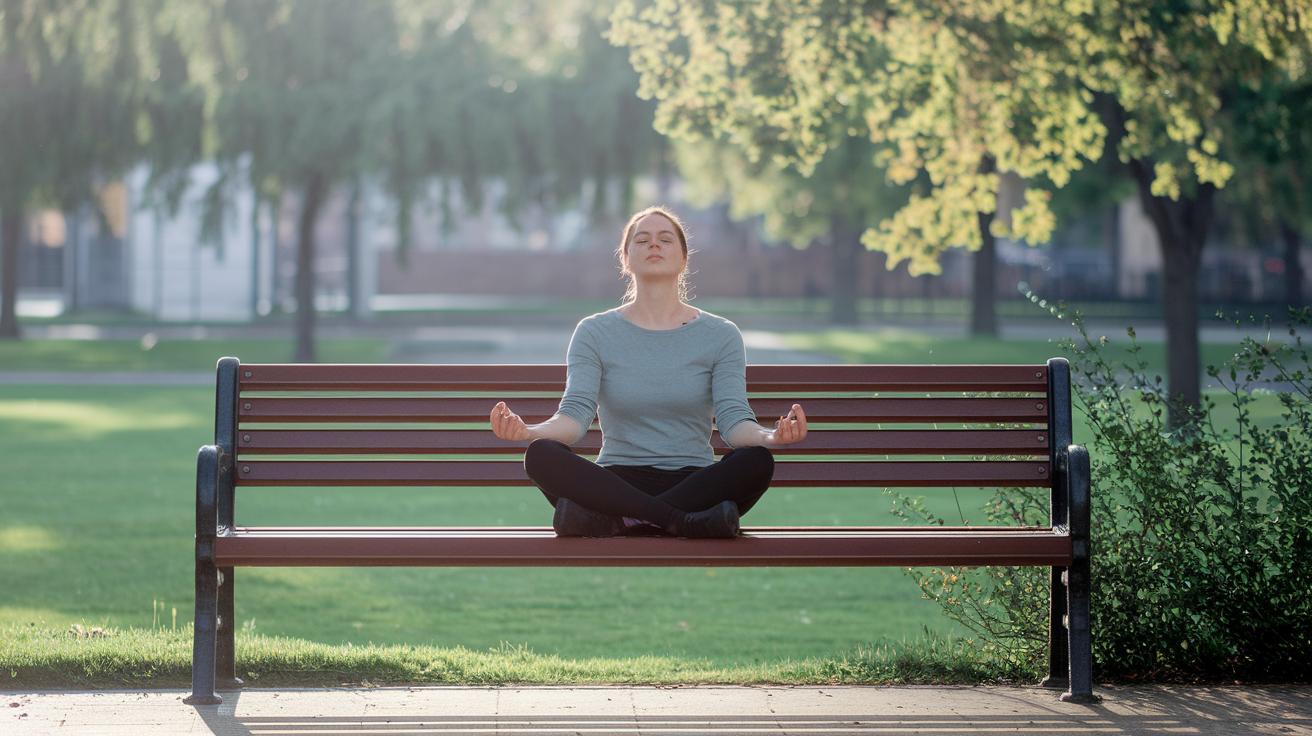
Imagine starting your day with a simple 5-minute breathing exercise. Just take a few moments to breathe in calm and let go of tension. It’s like giving yourself a little gift of peace before the rush begins.
At breakfast, try to truly savor your meal. Focus on the taste, the texture, and the inviting aroma of each bite. Picture biting into a crisp apple that crackles with freshness and color. It’s a fun way to feed your body and stay present in the moment.
On your commute, let mindfulness tag along. Whether you’re walking or driving, pay attention to the sound of your footsteps or the gentle hum outside. You might even say to yourself, “I feel the ground under my feet and hear the soothing city sounds.” This simple focus can turn an ordinary trip into a peaceful experience.
Later in the evening, set aside a moment for reflection. Think back on your day and pick three little moments when you felt calm, curious, or thankful. This practice can help you understand your feelings, make better choices, and connect more deeply with those around you. Embracing these small habits can truly help you grow into your happiest self.
Mindfulness for Self Awareness: Spark True Growth
Keeping your mindfulness practice fresh and steady becomes a lot easier when you have the right tools on hand. Think about those self-compassion guides, simple PDFs that coach you through building self-awareness. For example, one might gently prompt you to take a slow, deep breath and say, "I'm here for me," turning a quiet moment into a boost of encouragement.
Smartphone apps can be a real game-changer too. They offer guided instructions that help you tune in to your breath, body, and thoughts. Imagine getting a prompt that invites you to pause and notice your feelings in the moment. Whether you’re relaxing on a park bench or waiting for the bus, these little breaks can transform your day.
Online training courses are another great way to grow your focus. They lead you through step-by-step meditation sessions that steadily build your inner clarity. It’s like gradually unlocking a door to a more centered and calm you.
- Explore self-compassion PDF guides
- Try smartphone apps for instant mindfulness cues
- Enroll in courses that sharpen your focus and insight
These resources all work together to spark true growth in your mindful journey.
Addressing Common Challenges in Using Mindfulness for Self-Awareness
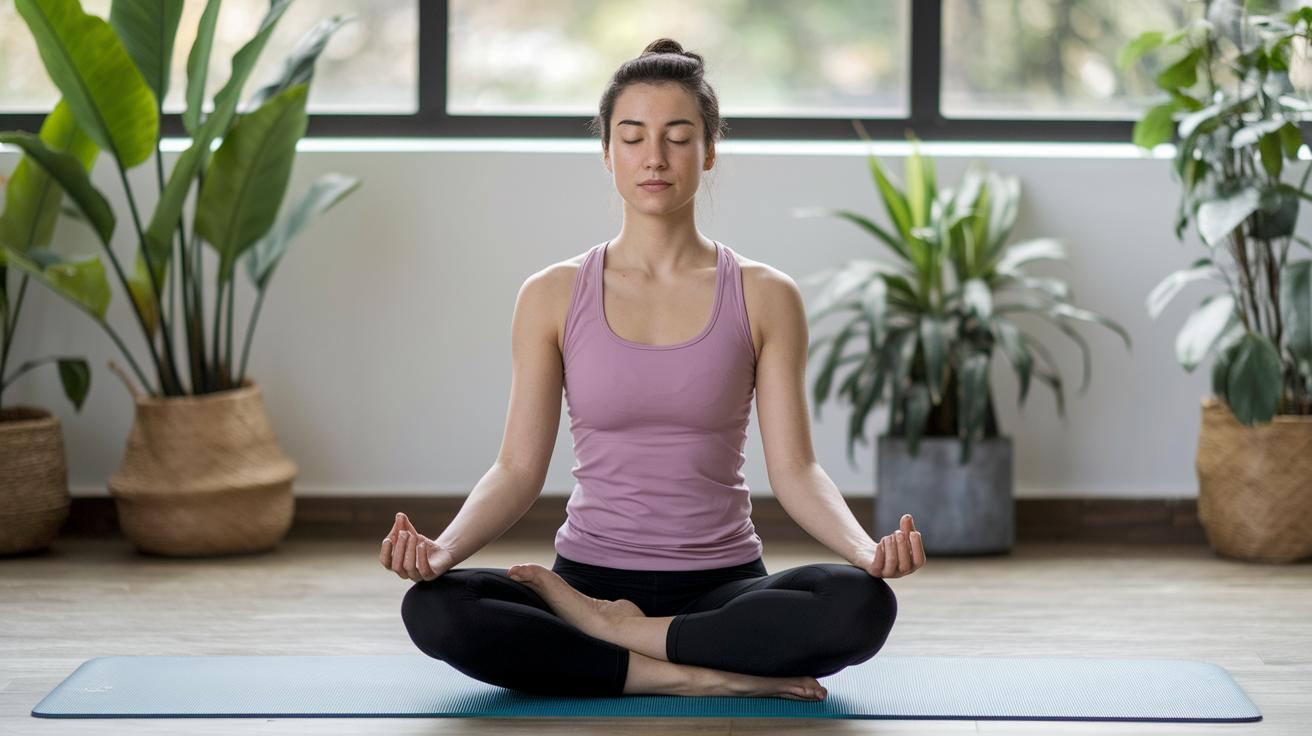
Building self-awareness with mindfulness can be tricky. We often fall into habits that stop us from really looking inside. Sometimes, when uncomfortable feelings arise, we quickly point fingers at our situation or get defensive instead of taking a closer look at our own reactions. And with all the digital distractions and spotty mindfulness practice, it's easy to miss the chance to truly notice our thoughts and feelings.
One way to tackle these challenges is to pause when you feel overwhelmed or ready to judge. Take a few seconds, breathe, and notice any biases that pop up. For instance, if you catch yourself blaming a situation instead of seeing your role, let that moment remind you to dig a little deeper into your reactions.
Creating a caring and supportive space for yourself can make a big difference. Try setting small mindfulness reminders throughout your day. Maybe take a brief pause before meals or when you switch tasks. Over time, these tiny breaks, paired with a bit of self-compassion, can gently shift your habits.
- Notice when you start blaming or avoiding uncomfortable feelings
- Take a short, mindful pause to reflect
- Build a kind, accepting space for yourself
When you softly confront these challenges, you pave the way for true, lasting personal growth.
Final Words
In the action, we uncovered ways to boost self-awareness through simple mindfulness practices. We walked through mindful meditation, journaling, and daily mindful living to help capture clear inner insights. These strategies offer a practical guide to enhancing emotional clarity and self-reflection. Using these techniques, you can gradually build stronger habits that support overall wellness and lasting change. Keep practicing mindfulness for self awareness, and look forward to small, steady progress that brightens every day.
FAQ
What are mindfulness exercises?
The mindfulness exercises involve practices like breath focus, body scans, and guided meditation that encourage staying present, managing stress, and cultivating awareness of thoughts and sensations.
What mindfulness activities can students use?
The mindfulness activities for students include simple breathing exercises, grounding techniques, and mindful listening practices that help reduce stress, improve concentration, and promote emotional balance.
How do I practice mindfulness for anxiety?
The mindfulness practice for anxiety uses focused breathing, thought observation, and gentle body scans to ease tension and calm the mind, helping to reduce anxious feelings effectively.
Where can I find a mindfulness exercises PDF?
The mindfulness exercises PDF offers a step-by-step guide with techniques like guided meditation, focused breathing, and reflective practices designed to boost self-awareness and lower stress.
What are the 5 basics of mindfulness practice?
The five basics of mindfulness practice include focused breathing, body scans, thought observation, mindful meditation, and journaling, all aimed at fostering present moment awareness and self-reflection.
Can you give examples of mindfulness in everyday life?
The everyday examples of mindfulness are savoring each bite during meals, pausing to notice the sounds and sensations during a walk, and dedicating brief moments for deep breathing or reflection.
What are the benefits of mindfulness?
The benefits of mindfulness include reduced stress, enhanced emotional balance, improved decision-making, and stronger self-awareness, which together contribute to a healthier state of overall well-being.
Are there mindfulness exercises specifically for adults?
The mindfulness exercises for adults include guided meditation, reflective journaling, and mindful movement practices that help alleviate stress, boost self-understanding, and support overall emotional wellness.
How does mindfulness help self-awareness or increase awareness?
The mindfulness practice increases self-awareness by encouraging non-judgmental observation of thoughts, feelings, and physical sensations, leading to clearer insight and improved emotional clarity.
How can I improve my self-awareness and what are the four areas of self-awareness?
The self-awareness improvement strategies involve observing thoughts, feelings, bodily sensations, and actions—the four key areas that deepen introspection and enhance personal insight.

