
Ever ask yourself if you're really making the most of your gym days? The push pull leg workout splits your week into three clear sessions: one day for pushing, one for pulling, and one for powering up your legs. Each workout is designed to give your muscles a good challenge while still letting them rest. It’s a straightforward plan that builds strength and keeps your body in balance. And just think, working out three days a week can boost your gains and give you that refreshed energy for your next session.
PPL Split Breakdown for Strength and Muscle Balance
Imagine a workout plan that breaks your week into three clear parts. You have one day for pushing movements like bench presses and overhead presses that work your chest, shoulders, and triceps. Then, there’s a day for pulling exercises such as deadlifts, pull-ups, and cable rows to build your back and biceps. Finally, you spend a day focusing solely on your legs with moves like barbell squats and Romanian deadlifts.
This plan works great if you’re busy and can only hit the gym three days a week, say Monday, Wednesday, and Friday. That way, your muscles get plenty of time to rest and rebuild strength. But if you're more advanced, you can double the cycle and work out six times a week. It’s like doing the same three types of workouts twice, giving you a bigger challenge.
In this plan, you pick the right weights by checking a percentage of your one-rep max, which means you choose how heavy to lift without risking injury. When you’re doing big exercises that work several muscle groups at once, like your bench press or squat, you take a longer break, about 2 to 3 minutes. On smaller, more focused moves, you rest for a shorter time, usually around a minute.
For instance, imagine doing a squat with a weight that’s 80% of what you could lift just once. Each time you go to the gym, you get a little bit stronger. This structure helps each muscle group get the rest and challenge it needs, keeping your gains steady.
Three-Day Push Pull Leg Workout Schedule
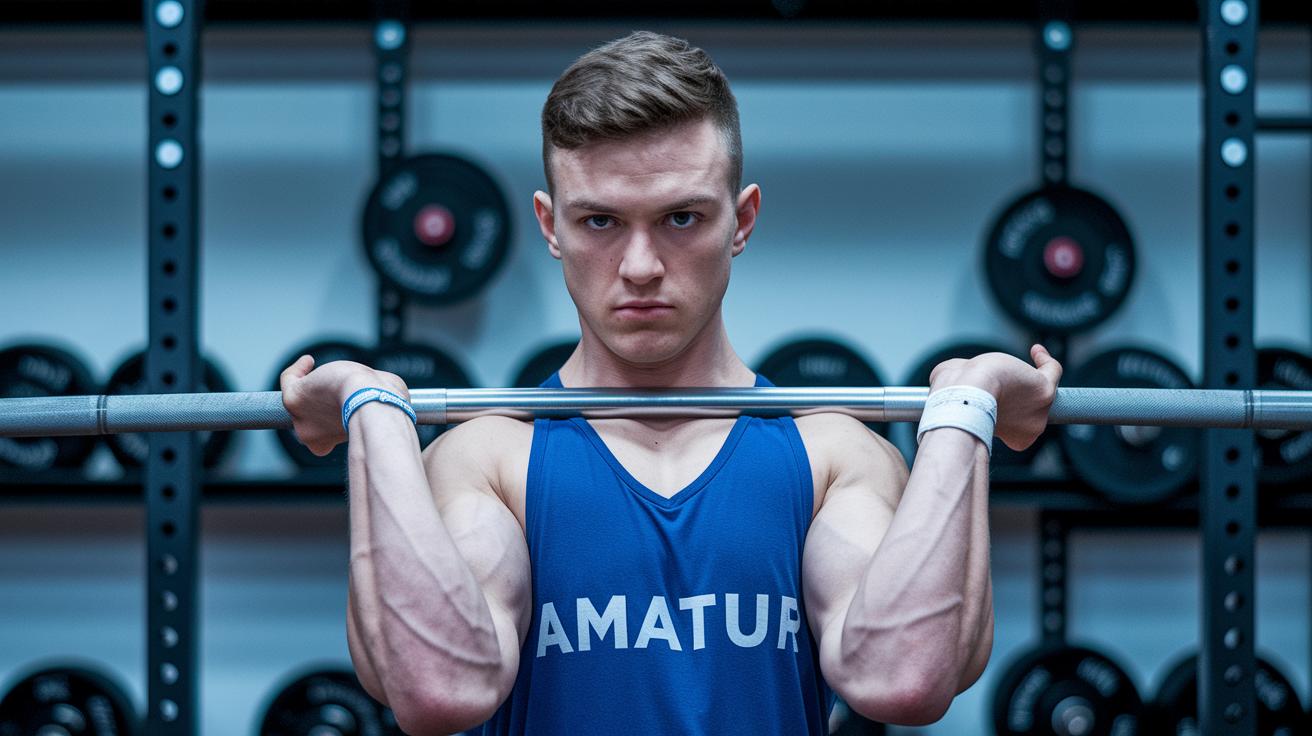
This seven-week plan is perfect for intermediate lifters who hit the gym three times a week. Each workout guides you to use about 70–85% of your one-rep max for big, compound lifts and 60–70% for smaller, isolation moves. This helps keep your challenge well-balanced.
Push days are all about working your chest, shoulders, and triceps. For example, when you're doing the bench press, try 4 sets of 6–8 reps and give yourself 2–3 minutes to catch your breath between sets. The overhead press and push press follow a similar plan, giving extra focus to your shoulder and tricep muscles.
On pull days, you focus on moves like lat pulldowns and cable rows to strengthen your back, biceps, and rear delts. Start with lat pulldowns using 3 sets of 8–10 reps, then switch to cable rows with the same setup. Some folks even add pull-ups to really work the back. Remember to rest 2–3 minutes between each set so you keep your form solid.
Leg days put the spotlight on your lower body with heavy moves like barbell back squats and Romanian deadlifts. Do squats in 4 sets of 6–8 reps, and then do Romanian deadlifts for 3 sets of 8–10 reps. Taking 2–3 minutes of rest between sets ensures you’re ready for each heavy lift.
Below is a detailed table showing the exercises, target muscles, set/rep schemes, and rest times for each workout day:
| Exercise | Muscle Focus | Sets | Reps | Rest |
|---|---|---|---|---|
| Bench Press | Chest, Shoulders, Triceps | 4 | 6–8 | 2–3 min |
| Overhead Press | Shoulders | 3 | 8–10 | 2–3 min |
| Push Press | Chest, Shoulders | 3 | 8–10 | 2–3 min |
| Lat Pulldown | Back | 3 | 8–10 | 2–3 min |
| Cable Row | Back, Biceps | 3 | 8–10 | 2–3 min |
| Pull-Ups | Back, Biceps | 3 | AMRAP | 2–3 min |
| Barbell Back Squat | Legs | 4 | 6–8 | 2–3 min |
| Romanian Deadlift | Hamstrings, Glutes | 3 | 8–10 | 2–3 min |
| Leg Press | Legs | 3 | 8–10 | 2–3 min |
Six-Day Advanced Push Pull Leg Hypertrophy Program
This workout is built for serious lifters looking to see fast muscle gains. Over six weeks, you’ll hit the gym six times, cycling through push, pull, and leg days twice each. You’ll use about 75–90% of your one-rep max for big compound moves (like bench presses) and roughly 65–75% for isolation exercises. This way, you keep your muscles guessing and growing.
Each week, you change up the intensity. On Day 1, you’ll dive into heavy push workouts, like bench pressing and push pressing, really testing your strength. Then, Day 2 is all about those pull moves, with deadlifts and pull-ups taking the stage. Come Day 3, it’s leg power time, with barbell back squats and Romanian deadlifts pushing you to go all out.
After that, the plan shifts gears a bit. On Day 4, you tackle a moderate push session; think about dialing the weight down by about 5% so you can focus on perfect form and really feel the burn. Day 5 switches to moderate pull movements, using exercises like cable rows and easier pull-ups to build both endurance and strength. Then, on Day 6, you finish up with a lighter leg day that prioritizes speed and technique over heavy loads.
Every week, you’ll bump up the weights by 2.5–5%. For example, you might start with bench presses at 80% of your max, and by week four, you could be working at 85–90% on the heavy days, giving your muscles that extra push to grow.
Rest is key too. You’ll take about 2–3 minutes between heavy compound lifts and around 60 seconds for isolation moves. This smart mix of push, pull, and leg routines helps manage fatigue and speeds up recovery so you can keep working hard, making your muscles stronger and bigger.
Push Pull Leg Workout Routines for Ultimate Strength
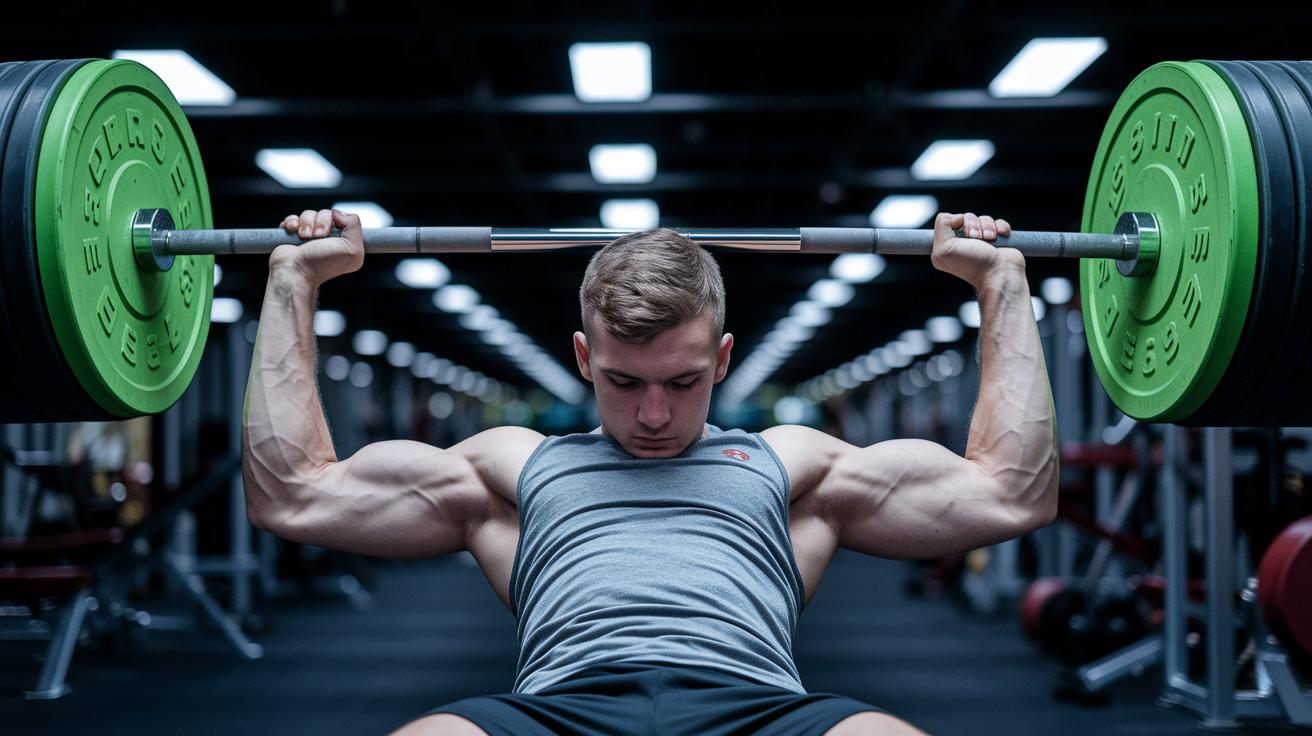
If you’re looking to build real strength, nail your form just as much as lifting heavier weights. Starting out on the right foot means focusing on the simple steps that help you get stronger while keeping injuries at bay. And if you’re new to all this, you might want to check out how to start strength training for some easy tips.
On your push days, mix in big moves like bench press, dumbbell chest press, overhead press, push press, and landmine press. When you’re doing a bench press, try gripping the bar at shoulder-width with an overhand grip, it’ll help your chest and triceps work together better. It’s like finding the perfect rhythm on your favorite song.
Then on pull days, concentrate on core lifts like deadlift, pull-ups, and cable rows. Remember to keep your back flat during a deadlift and move steadily through pull-ups. Cable rows are all about using a full range of motion to really focus on those back muscles. If you need more details on the proper ways to lift, have a look at what is strength training.
Leg days are all about giving your lower body the love it needs. You can try moves like the barbell back squat, Bulgarian split squat, hip thrust, Romanian deadlift, and kettlebell swing. Picture yourself setting your squat stance hip-width apart with a neutral spine, or driving through your heels during a hip thrust to fire up your glutes. These small adjustments can really make a big difference over time.
- Keep your bench press grip shoulder-width and overhand.
- Stand with a hip-width squat stance using a neutral spine.
- For hip thrusts, get full scapular contact and drive through your heels.
Progression Strategies and Periodization in PPL Splits
Some basic ideas, like increasing your weight by a little 2.5–5% every week and alternating between heavy, moderate, and light days, are explained in other sections. Today, we’re zooming in on a unique trick called the 6-12-25 Shock Method. This method mixes things up by using three different rep ranges in one workout to surprise your muscle fibers during isolation moves. Picture this: you start with six solid reps, then move to twelve, and finally blast through twenty-five reps, giving your muscles a fresh burst of energy.
- This method uses three varied rep counts to spark muscle growth.
- It focuses on isolation exercises, engaging your muscles in creative ways.
- It adds an exciting twist to your training without rehashing old routines.
In truth, mixing this unique approach into your regular workout can bring variety and keep your training both simple and super effective.
Customizing PPL Routines for All Fitness Levels
Beginner Modifications
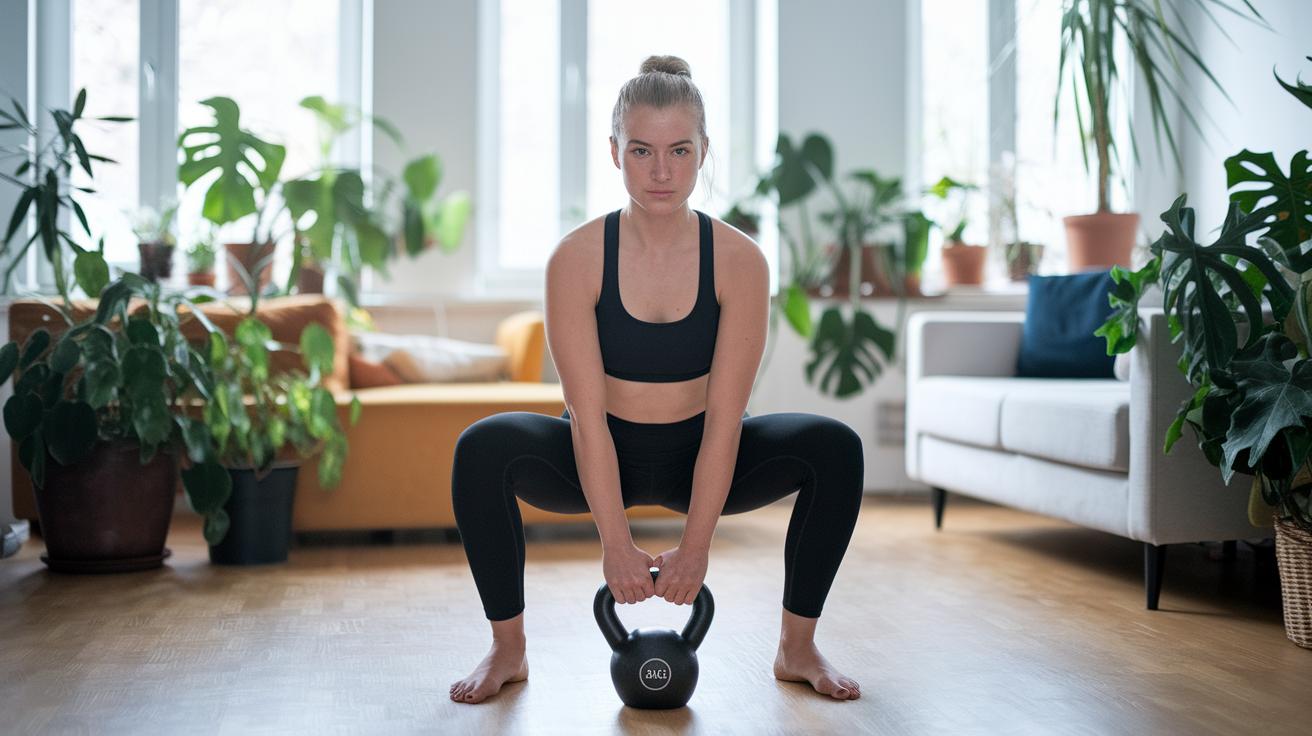
If you’re just starting out, keeping things simple works best. Try bodyweight push-ups that slowly build your chest and arm strength over time. You can also do band rows, which help develop your back muscles while keeping your movement controlled and safe. And for squats, grab a light kettlebell or dumbbell for goblet squats, they’re a fun way to learn proper form and build balance and strength.
Intermediate Adjustments
When you feel comfortable with the basics, it’s the perfect time to take it up a notch. Switch from goblet squats to barbell back squats and mix in dumbbell chest presses instead of plain push-ups. Increase your weights little by little each week, only pushing your limits in a safe way. And if you’re feeling strong, why not add an extra set for key moves like bench presses or deadlifts? This gradual ramp-up helps you work your muscles harder while keeping your routine balanced.
At-Home and Female Variations
If you prefer working out at home or need routines tailored for female lifters, focus on calisthenics-based moves. Simple exercises like push-ups, bodyweight rows, and single-leg squats work great when you’re short on equipment. And if you’re looking for extra ideas, check out the free calisthenics workout plan on our site for routines that need very little gear. These variations use fewer sets and lighter loads so you can concentrate on perfecting your form and boosting your endurance without overloading your muscles.
Recovery, Rest and Scheduling Tactics for PPL Splits
Taking time to rest is super important in any split routine, it helps your body bounce back. When you’re doing big moves like squats or deadlifts, try giving yourself a 2 to 3 minute break between sets. And for smaller, focused exercises like bicep curls or lateral raises, a quick 60-second pause is plenty. It’s like hitting the reset button before you move on to your next set.
Working out three days a week gives your muscles plenty of time to recharge. But if you’re up for six days, you have to plan your rest days carefully. To keep from overdoing it, add a day off after two straight workout days. For example, if you smash your push and pull workouts back-to-back, a recovery day right afterward can help ease fatigue and keep you from getting hurt.
Try using a weekly dynamic phase scheduler. This tool lets you mix heavy workout days with lighter ones so every session feels fresh. Imagine wrapping up a tough leg day and then sliding into a moderate push session the next day. It really helps control the intensity of your workouts and supports steady progress.
- After heavy compound lifts, rest 2–3 minutes.
- For isolations, take a 60-second break.
- Plan recovery days after two consecutive sessions.
Final Words
In the action of putting these push pull leg workout routines into practice, we covered a clear breakdown of the three-day and six-day splits, essential exercises with proper form, and ways to adjust routines for beginners and those with more experience.
We also looked at effective rest and recovery tips that keep workouts safe and energizing. This plan supports steady progress and improved well-being. Keep moving forward, and enjoy the positive energy that comes with every new session.
FAQ
What does a push pull leg workout routines PDF include?
A push pull leg workout routines PDF lays out a structured guide with exercises, set and rep schemes, and rest intervals to help balance muscle groups and make tracking easier.
What defines a 3-day push pull legs split routine?
A 3-day push pull legs split routine separates workouts into push, pull, and leg days, focusing on key compound lifts with targeted percentages of one-rep maximum to build strength effectively.
How do 5-day and 6-day push pull leg workout routines differ from the 3-day split?
The 5-day and 6-day routines increase workout frequency, allowing extra sessions for each movement pattern, which better supports muscle growth and strength gains for more dedicated trainees.
Are there push pull leg workout routines for beginners?
Beginners can use push pull leg routines with bodyweight movements or light dumbbell variations to ease into proper form and build a solid strength base without overloading muscles.
Is push pull legs a good workout routine?
The push pull legs routine works well by organizing workouts into movement patterns, offering clear structure that helps maintain balanced progress in strength and muscle development.
Does the 6-12-25 method work in push pull leg splits?
The 6-12-25 method works by using varied rep schemes on isolation exercises to create muscle fatigue swiftly, offering an advanced technique to boost hypertrophy within a push pull leg framework.
What does the 3-3-3 rule at the gym mean?
The 3-3-3 rule means completing three sets of three different exercises for a target muscle group during one session, which streamlines the workout and focuses training intensity.
What is the 4-2-1 workout schedule?
The 4-2-1 workout schedule involves doing four sets of compound moves, two sets of accessory exercises, and one focused burn-out set, creating a balanced and effective session for muscle development.

