
Have you ever wondered if a simple workout could lift your energy and steady your balance? Imagine feeling more stable and confident every day with easy moves that you can do right at home.
This routine is super simple. You just grab a few everyday items, a sturdy chair, a towel, or even a couple of water bottles, to help you build strength and keep your balance. It’s like giving your body a little boost using what you already have around you.
And here's the thing: regular exercise really does make a big difference. Experts say that even small changes in your routine can lead to big benefits. So, why not try it out? You deserve to feel that energizing burst each day.
Let’s get moving and enjoy the journey together!
Comprehensive Senior Workout Routines for Balance, Strength, and Mobility
This 30-minute workout is all about helping you stay independent and active every day. You only need a chair, a towel, and a couple of water bottles to get started at home. It boosts strength in your back, tummy, and legs while also working on your balance, key for keeping you safe and moving freely. Experts say regular activity is essential, and this routine fits perfectly into that advice.
Get ready to move through a series of exercises that mix muscle work with balance training. The workout is designed for all fitness levels, so you can build strength and stability little by little. Each move is done slowly and carefully, which helps keep injuries at bay while making sure your efforts pay off.
- Seated Straight-Arm Shoulder Raises: Sit up straight and hold a towel with both hands. Gently lift your arms to shoulder height, feeling your shoulder muscles work.
- Front Shoulder Raises: Grab a water bottle in each hand. Slowly raise them in front of you to help strengthen your upper body and improve your posture.
- Lateral Weight Shifts: Whether you’re sitting or standing, shift your weight from one side to the other. This move helps work your leg muscles while strengthening your core.
- Heel-to-Toe Walking: Walk in a straight line, placing one foot directly in front of the other. This simple exercise improves your balance and coordination.
- Sit-to-Stand: From your chair, rise slowly and then sit back down with control, which builds leg strength.
- Wall Push-Ups: Stand near a wall and do gentle push-ups at a slow pace. It’s a great way to keep your upper body strong without putting too much strain on your joints.
This balanced routine not only builds physical strength but also keeps you flexible for everyday activities. Adding these exercises to your week can boost your confidence, help you move easily, and fill your life with more energy.
Senior Workout Routines: Essential Warm-Up and Cool-Down Strategies
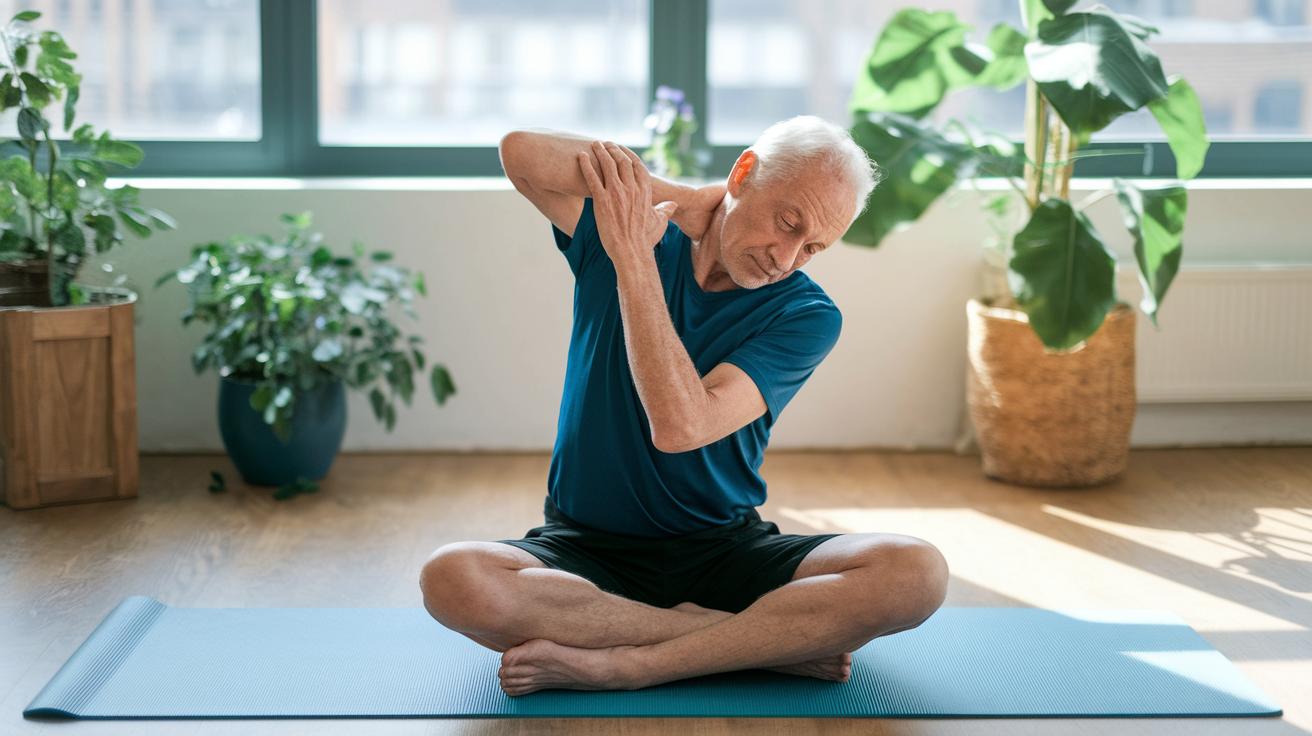
Before you start exercising, it’s important to warm up your muscles and joints. A few gentle stretches, like soft neck twists, rolling your shoulders, and circling your ankles, help get your blood flowing and raise your heart rate slowly. Warming up like this not only protects you from muscle tightness but also sets a cheerful tone for your workout.
After you finish, cooling down is just as key. Taking a few minutes to slow your heart rate, with moves like a seated forward bend and a chest stretch, along with deep, calm breaths, helps your body relax and recover. This cool-down routine eases any leftover tension, leaving you feeling refreshed and balanced.
| Exercise | Duration | Purpose |
|---|---|---|
| Neck Stretches | 2 min | Loosen neck muscles |
| Shoulder Rolls | 1 min | Boost upper body mobility |
| Seated Forward Fold | 2 min | Calm the heart and relax muscles |
Strength-Focused Workout Routines for Seniors at Home
Start off with the seated straight-arm shoulder raises using a towel. Sit comfortably with your feet flat on the ground and your back straight. Hold the towel with both hands, and slowly lift your arms straight out until they reach shoulder height. This move fires up your shoulder muscles and your core. If the towel feels too heavy or too light, adjust your grip by tightening or loosening it.
- For an easier version, try using a softer fabric or simply reduce how far your arms go.
Example: "Picture gently guiding a soft piece of fabric upward, feeling each muscle come to life."
Next, move on to front shoulder raises with water bottles. Whether you're sitting or standing, hold a water bottle in each hand. Slowly lift them in front of you up to shoulder level, take a quick pause, then lower them back down. This exercise works your upper body and helps keep your posture on point.
- If you're just starting out, you can use bottles that are only partly full or limit the range of motion.
Example: "Imagine lifting a cool, refreshing drink with a smooth, controlled motion to boost your shoulder strength."
Finally, try lateral weight shifts with light dumbbells. Stand with your feet about shoulder-width apart and hold a dumbbell in each hand. Gently shift your weight from one side to the other to wake up your leg muscles and improve your balance. If the dumbbells feel too heavy at first, practice doing the movement without any weights until you feel more secure.
- For extra support, keep a sturdy chair or a wall nearby so you can lean on it if needed.
Example: "Think of slowly sliding side to side, feeling your leg muscles engage in a smooth, flowing rhythm."
Balance and Stability Workout Routines for Seniors
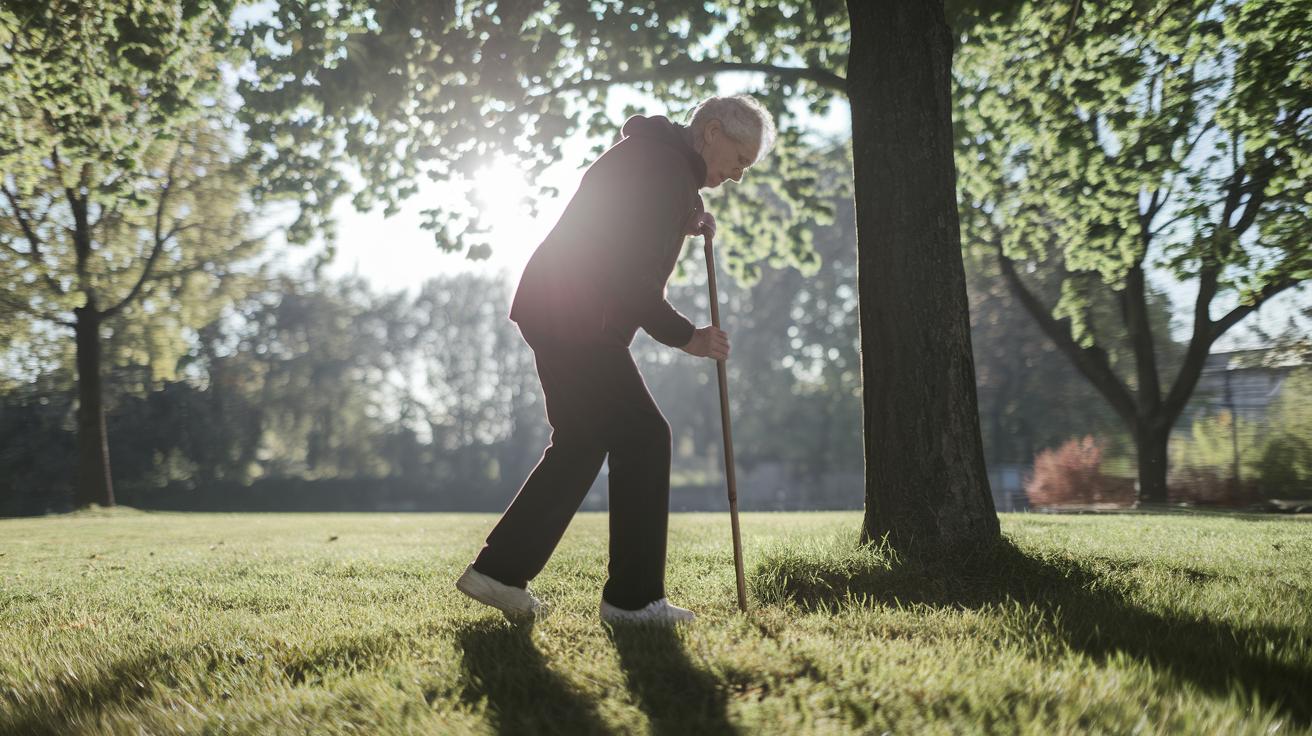
Starting with simple moves like the heel-to-toe walk can work wonders for your balance. Walk in a straight line, placing one heel right in front of the opposite toe. This helps sharpen your body awareness, gives your legs a good workout, and gently improves your balance for everyday activities.
For safety, try doing these exercises in a clear space with plenty of room. It’s a good idea to have a sturdy surface nearby, too. If you want to mix it up, you can use a wobble board or foam pad to test your stability in a safe way. Experts suggest practicing these balance drills about three times a week to help lower your risk of falls. And if you can, have a friend or caregiver close by for extra support.
When you’re ready to challenge yourself further, blend balance moves with strength exercises. Start by practicing standing up from a sturdy chair. Then, try gently shifting your weight from one side to the other while holding the back of the chair for a little extra help. Over time, you might even try brief moments without any support. Adjust the difficulty as you feel comfortable, and remember, it’s always okay to lean on the chair or a wall for extra stability.
Workout routines seniors: Feel Energized Daily
Swimming and water aerobics are a wonderful way to keep your heart and joints happy. They’re gentle on your body, making them great for days when you need a lighter workout. Try to hit the pool two or three times a week, and focus on smooth, steady movements. Imagine gliding through the water like a soft breeze, each stroke easing away tension and lifting your mood.
A quick 15-minute walk in the morning can work wonders for your heart. And why not mix in a fun weekly game of pickleball? It’s a playful way to lift your spirits. If the weather’s nice, check out outdoor cardio workouts for fresh inspiration. Just be sure to walk at a pace where you can easily chat and feel safe on level ground.
Cycling, whether on a stationary bike or out in nature, along with chair-based marching, helps you build endurance without putting too much stress on your joints. Aim for three to five cycling sessions a week at a comfortable level, one that respects your balance and strength. And if you prefer sitting down, chair-based marching is a fantastic way to boost stamina while feeling secure. Adjust your pace as needed, if your balance ever feels off, slow things down to keep every move safe and smooth.
Flexibility and Stretching Workout Routines for Senior Mobility

Keeping your body flexible is super important to help you handle daily tasks and ease stiffness. Regular stretching not only maintains your range of motion, it also relieves muscle tension after a long day. Next time you move, try these simple stretches and notice how gently they refresh your body. Imagine the calming sensation when a stretch loosens those tight muscles, making you feel ready to take on the day.
For a seated hamstring stretch, sit at the edge of a sturdy chair with one leg straight out and the heel resting on the floor. Lean forward slowly until you feel a nice stretch along the back of your thigh. Hold the position for 20 to 30 seconds, then switch legs. This easy exercise helps keep your legs agile, which is key for a smooth walk.
Next, try a standing calf stretch. Stand tall, placing one foot ahead of the other. Keep your back knee slightly bent and lean into the stretch until your calf feels gently elongated. Hold this for 20 to 30 seconds on each side to reduce tightness in your lower legs and support your balance.
For your shoulders, stand or sit up straight and slowly bring one arm across your chest. Feel that soothing pull as your shoulder relaxes, and hold for 20 to 30 seconds before switching arms. This simple move is a great way to ease upper body tension and promote better mobility.
Final Words
In the action, this article clearly laid out a safe routine for seniors that boosts balance, strength, and mobility. We covered key warm-up and cool-down stretches, strength exercises using common household items, balance drills, low-impact cardio, and targeted mobility stretches. Each section focused on easy-to-follow steps that make it practical at home.
Stick with these workout routines seniors can use to gently build independence and well-being every day. Enjoy the process and feel well each step along the way.
FAQ
What are effective home workout routines for seniors including weight training?
The home workout routines for seniors combine light weight exercises and chair-assisted moves using items like water bottles or towels. They focus on full-body strength and balance for daily activities.
Which exercises suit seniors over 70, 75, or 80?
The exercises for seniors over 70 emphasize low-impact strength, balance, and flexibility. They involve gentle weight work, chair-assisted movements, and easy stretches to support mobility and safe, everyday function.
Which exercise should a 70-year-old do daily?
The daily exercise for a 70-year-old combines simple strength and balance work. A reliable move is the sit-to-stand exercise, which activates leg muscles and improves stability throughout the day.
How frequently should seniors work out each week?
The recommended frequency for seniors is about three sessions weekly. Regular mini-workouts focusing on balance, strength, and flexibility help maintain daily function and lower the risk of falls.
What are the best exercises for building strength and balance in seniors?
The top exercises for seniors include the sit-to-stand for leg strength and the heel-to-toe walk for balance. These moves provide a solid base, boosting both muscle control and steady movement.

