
Have you ever noticed that taking it easy after a tough workout can actually boost your results? After pushing your body hard, a slow walk or some light yoga helps clear out lactic acid (a substance that builds up in muscles during exercise) and relaxes those tight spots.
I often find that a gentle cool-down leaves my body feeling refreshed and ready for the next challenge. Adding a bit of movement after an intense session really helps keep you strong and eases soreness, making it a simple, yet powerful part of your fitness routine.
Understanding Active Recovery: Definition & Core Principles
Active recovery is all about giving your body a gentle boost right after a tough workout. Instead of completely stopping, you keep things moving slowly, like taking a light walk, breezy cycling, or a calming yoga session (yoga is a practice that combines gentle stretching and balance). I sometimes find that a slow stroll cools me down perfectly, letting my muscles relax and recharge.
This easy pace keeps your heart pumping a little longer, which helps move oxygen and fresh blood to your tired muscles. Compared to full rest that can sometimes leave you feeling stiff, active recovery helps your body clear out lactate (a substance that builds up during hard exercise) and eases soreness for your next workout.
Whether you’re a long-distance runner, a HIIT fan, or even a bodybuilder, adding this type of gentle movement into your routine can be a real game changer. It not only soothes muscle tension but also keeps your training on track in a balanced way. In truth, blending active recovery into your fitness plan is like giving your body a little reminder: taking care of yourself is just as important as pushing your limits.
Physiological Benefits of Active Recovery
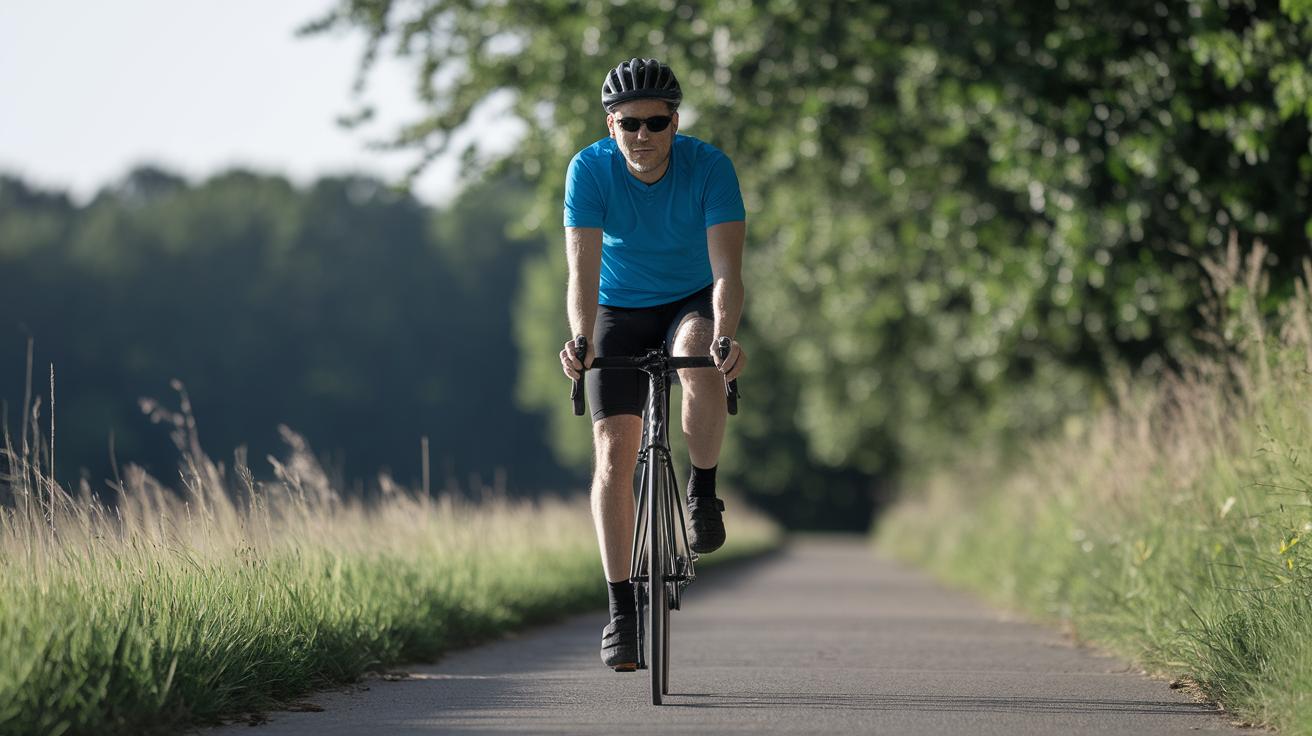
Light activities like brisk walking or gentle cycling help increase blood flow to your muscles, bringing more oxygen where it’s needed. This extra oxygen speeds up the removal of lactic acid (a byproduct of hard work that can cause muscle tightness) and helps your body heal naturally. I once read about a study with 22 male athletes where using foam rolling along with easy biking cut lactate buildup by about 25% compared to just sitting around. It’s a simple way to support your body, delivering nutrients and oxygen to tired muscles and making recovery a bit smoother.
- Lactate Clearance – More blood flow means lactic acid gets swept away quickly, keeping muscles more relaxed.
- Reduced Soreness – Taking it easy after a workout can lessen that familiar post-exercise ache.
- Improved Flexibility – Gentle movement helps keep muscles stretchy without putting them under extra stress.
- Enhanced Oxygen Delivery – Better circulation makes sure oxygen gets to those worn-out fibers fast.
- Faster Muscle Repair – Easy exercise kicks protein production into gear, helping cells mend themselves.
- Lower Injury Risk – Regular light activity keeps tissues flexible, which can help prevent strains and sprains.
When you compare recovery methods, combining foam rolling with light biking can cut recovery time by about 25-30% compared to complete rest. For more tips on muscle recovery after a workout, check out muscle recovery after workout (https://fitandglossy.com?p=474).
Active vs. Passive Recovery: Key Comparisons
After a tough workout, finding the right way to bounce back is important. Active recovery means doing easy activities like a short walk or some light cycling to gently keep your muscles moving. This helps boost your blood flow (the movement of blood that feeds your muscles) by about 30%. On the other hand, passive recovery means taking a break or moving very little, which can sometimes leave your muscles feeling stiff. Both techniques can work wonders; it all depends on how your body feels.
| Aspect | Active Recovery | Passive Recovery |
|---|---|---|
| Intensity | Mild activities like a calm walk or easy cycling | Almost no movement; more like just resting |
| Blood Flow | Boosts circulation for a refreshing feel | Doesn’t really change the flow much |
| Lactate Clearance | Helps clear out lactate (a substance made during exercise) quicker | Works more slowly to clear lactate buildup |
| Flexibility Impact | Encourages movement and helps lessen stiffness | May sometimes lead to more stiffness over time |
| Ideal Use Cases | After intense workouts or during moderate recovery periods | When you’re feeling overtrained, unwell, or extremely exhausted |
In truth, choosing between active and passive recovery comes down to what your body is telling you. If your muscles are a bit tight and you want that gentle boost to get the blood moving again, active recovery might be the way to go. But if you’re feeling completely drained or a bit under the weather, don’t hesitate to take a full rest day. Sometimes, letting your body have its quiet moment is exactly what you need.
Effective Active Recovery Activities and Workout Plans
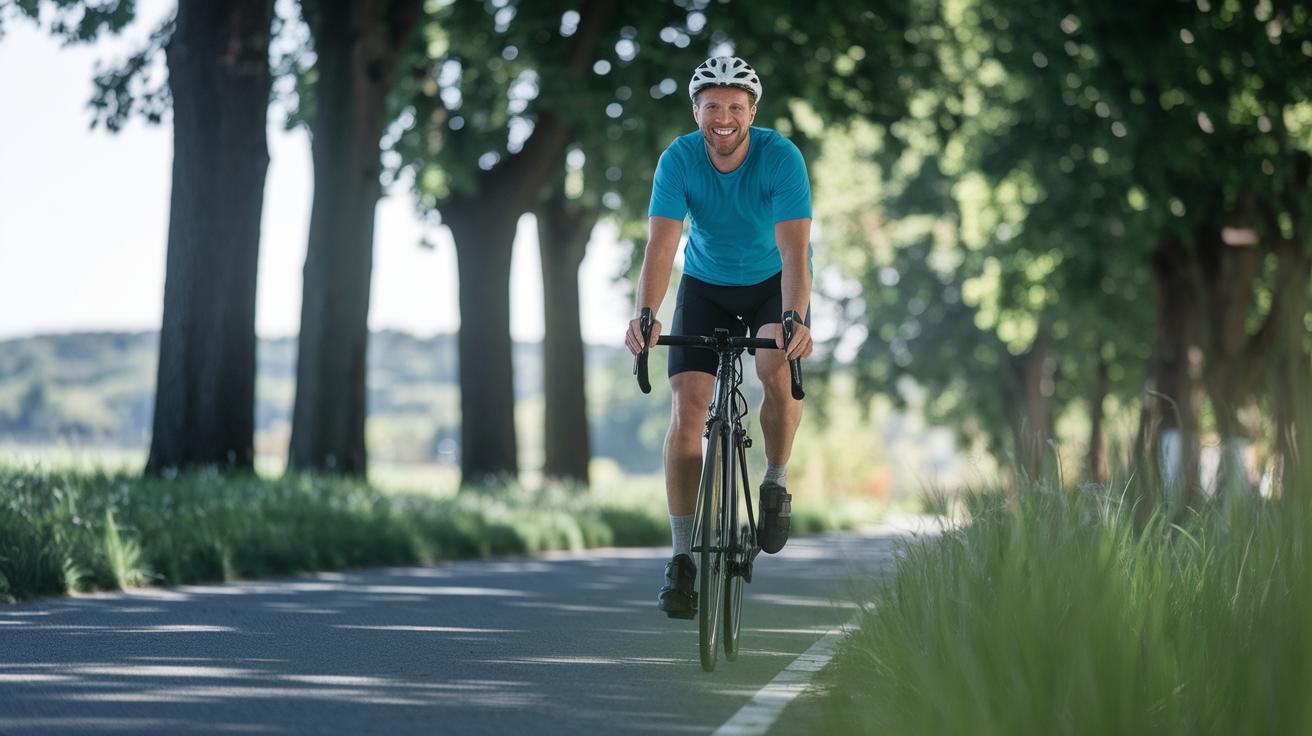
After a tough workout, it feels great to let your muscles gently bounce back. Active recovery means doing easy, low-key exercises that help boost your blood flow and soothe your muscles. Depending on where you're working out, whether at home, in a gym, or even in a HydroWorx pool with underwater treadmills and warm or cold plunges that soothe sore spots, you have plenty of choices. Think of it like a gentle cool-down that eases tension without adding extra strain.
Cardio-Based Recovery
Light cardio can work wonders when your muscles need a bit of care. Try 10 to 30 minutes of low-intensity activities such as cycling, walking, or swimming. These moves help oxygen reach tired muscles so they can recover while keeping your joints happy. Picture yourself on a peaceful bike ride along a sunny path, feeling your heart beat steadily yet softly, you’re getting that healing boost without any pressure.
Stretching & Mobility
A few simple stretches and foam rolling can really free up tight muscles. Engaging in dynamic stretches (movements that prepare your muscles gradually) or mobility drills, like leg swings or gentle forward bends, can make a big difference. And if your muscles feel extra tense, a little foam rolling over those spots might be just what you need. It’s like giving yourself a mini massage. Trust me, even a few minutes can ease stiffness and set the stage for more activity later.
Mind-Body Practices
Sometimes, winding down means caring for your mind as much as your body. Slow-paced yoga flows or tai chi sequences focus on deep breathing and smooth movements, perfect for turning down the stress meter after your workout. Imagine starting a calm yoga routine on a quiet morning, where every pose helps you feel lighter both physically and mentally. It’s a gentle reminder that taking care of yourself means nurturing every part of you, body and mind alike.
Implementing Active Recovery: Guidelines and Training Integration
When planning your workouts, including days for active recovery is a smart move to keep your routine balanced. If you often train hard, try adding one or two days of gentle exercise. This helps your muscles relax and recover without slowing down your progress. Even if you exercise moderately or are just starting out, a light movement day keeps you on track while giving your body a chance to repair.
Keep your recovery session simple by staying at about half your maximum heart rate. It’s like giving your muscles a warm-up without stressing them. A slow walk, easy cycling, or gentle stretching for 20 to 30 minutes works great. These moves help clear out lactic acid (the buildup during hard workouts) and reduce stiffness, almost like a gentle reminder for your body to chill and recharge.
Listen to your body and adjust your recovery days as needed. If you feel extra tired or notice slight discomfort, it might be a sign to slow down. Advanced athletes can switch up their low-impact activities to keep things fun. Ultimately, planning these rest days in every training block lets you avoid injuries and steadily improve over time.
Active Recovery in Rehabilitation and Injury Prevention
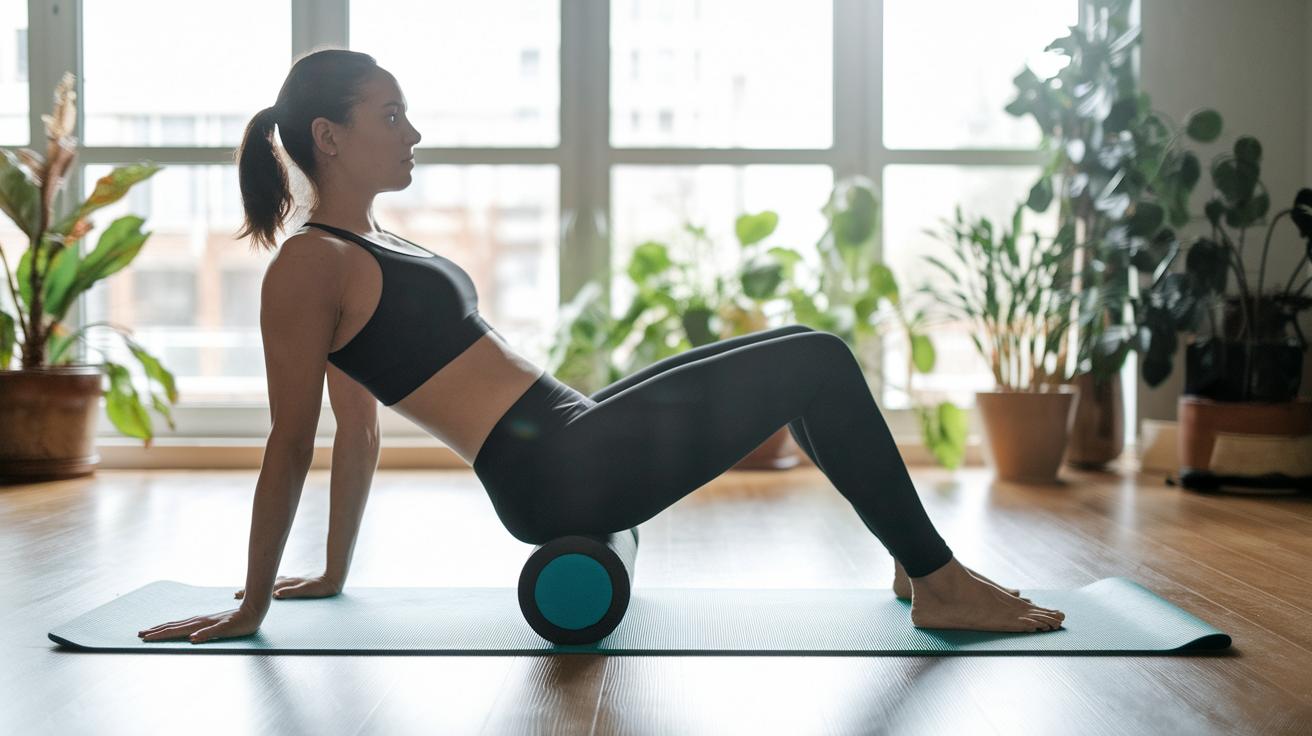
When you’re on the mend, adding a bit of gentle exercise can really boost your recovery. Imagine spending five minutes with a foam roller (a tool that softly massages your muscles) to ease tightness, followed by ten minutes of a relaxed ride on your stationary bike. This combo helps flush out lactate (a buildup from intense workouts) and gets your blood flowing to support healing.
Hydrotherapy brings a refreshing twist to rehab sessions. Picture using a HydroWorx pool, where you can walk on an underwater treadmill for ten minutes and then unwind in a warm plunge that soothes your muscles. This method, which also employs alternating warm and cold treatments along with spa jets, targets those stubborn trigger points and works to ease inflammation.
Keeping injuries at bay is all about smart, balanced movement. A recovery routine that mixes five minutes of foam rolling, ten minutes of low-intensity cycling, and another five minutes of dynamic stretching can go a long way. These low-impact activities help maintain joint mobility and muscle flexibility, making you feel more confident and less likely to suffer another injury.
Final Words
In the action, active recovery lets you keep moving smartly after a tough workout. The discussion covered how gentle exercises aid blood flow, ease muscle soreness, and support injury prevention. You explored varied methods including light cardio, stretching, and mindful practices. This style of rest, what is active recovery, helps you prepare for the next energy-filled session. Keep embracing these strategies to enjoy your workouts and maintain a balanced, healthful routine. Stay positive and remember, every smart move makes your body stronger.
FAQ
What is an active recovery workout?
The active recovery workout is a low-intensity exercise session performed after a challenging workout to promote blood flow and ease muscle soreness without additional strain.
What are some active recovery examples?
The active recovery examples include gentle cycling, light walking, yoga, and dynamic stretching that help flush out lactic acid while keeping the muscles engaged.
What is passive recovery?
The passive recovery is a method that involves complete rest or minimal movement, allowing the muscles to recover without engaging in low-intensity exercises.
How does active recovery compare to a rest day?
The active recovery versus rest day distinction reveals that active recovery employs gentle exercises to stimulate circulation, whereas a rest day relies solely on inactivity to promote healing.
Why is active recovery important?
The active recovery importance lies in its ability to reduce muscle soreness, improve circulation, and expedite repair by helping the body clear byproducts from intense exercise.
What are the types of active recovery activities?
The types of active recovery activities range from cardio-based exercises like light cycling or walking to stretching/mobility routines, and even mind-body practices like yoga and tai chi.
Is running an active recovery exercise?
The running as an active recovery exercise is effective if performed at a slow, comfortable pace, which helps maintain blood flow without overtaxing the muscles.
Is it better to take a rest day or perform active recovery?
The active recovery versus rest day choice depends on individual needs; low-intensity active exercises can better reduce muscle tightness and improve circulation compared to complete inactivity.
What is an active recovery system?
The active recovery system refers to a structured approach where scheduled, low-intensity movements are used to improve muscle repair and prepare the body for subsequent workouts.
What does active recovery alcohol mean?
The active recovery alcohol query likely examines how alcohol might affect recovery; in general, alcohol can hinder muscle repair and hydration, making it less ideal during recovery.
Can aerobics, Pilates, tennis, or soccer be used for active recovery?
The sports like aerobics, Pilates, tennis, or soccer can serve as active recovery if performed at a relaxed pace, offering gentle exercise that supports muscle mobility and circulation.

