
Ever felt that a quick burst of effort could totally boost your energy? HIIT (High Intensity Interval Training, a workout method that alternates bursts of hard exercise with rest) uses fast, powerful moves that help you burn 150 to 400 calories in just 20 minutes. Think of it like a sudden, refreshing breeze that leaves you feeling strong and renewed.
By mixing intense full-body exercises with short breaks, this workout makes staying fit both fun and effective. Imagine the satisfying rhythm of pushing your limits and then taking a moment to catch your breath. Give it a try and see how those bursts of energy can spark a new sense of vitality in your everyday life.
HIIT Workouts Program Blueprint: Four Sample Sessions for Maximum Results
Every workout in this HIIT program is crafted to boost your energy with a full-body routine that only takes 20 minutes. In each session, you alternate between 30 to 40 seconds of intense exercise and 20 to 30 seconds of rest. Imagine giving it everything you’ve got, like the rush of wind during a sprint, and then taking a quick breather before the next round.
Before you jump in, start with a gentle warm-up. Begin by using a foam roller on your legs and back (this means rolling your muscles to ease tight spots). Next, try 2 to 4 exercises like planks or dead bugs to strengthen your core and improve balance. For instance, roll out your calves for 60 seconds each, then hold a plank for 30 seconds to get your core activated. This simple routine prepares your body to handle the intensity ahead.
| Session | High-Intensity (sec) | Rest (sec) | Effort (1-10) | Notes |
|---|---|---|---|---|
| 1 | 35 | 25 | 8-10 | Bodyweight drills at full force |
| 2 | 30 | 20 | 8-10 | Full-body routine with jumps |
| 3 | 40 | 30 | 9-10 | An intense 30-minute burst with sprints |
| 4 | 35 | 25 | 8-10 | Mixed moves for dynamic strength |
Each 20-minute session can burn between 150 and 400 calories, depending on your weight and the exercises you choose. Limit these tough sessions to three times a week so you don’t overdo it. Imagine finishing a workout and feeling like you just powered through a mini lightning storm, invigorated, strong, and ready to recover.
HIIT Workouts Program Warm-Up and Recovery Protocols
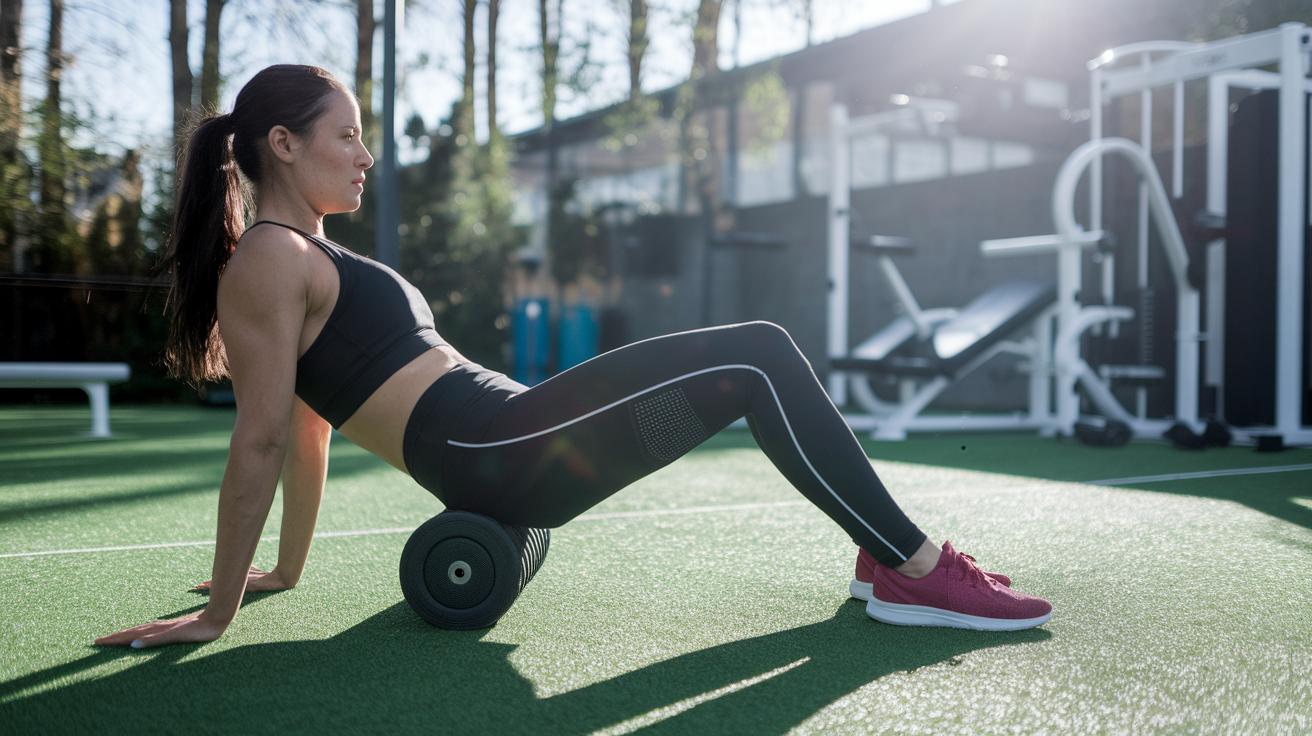
Start your HIIT workout with a warm-up that gets you ready for success. Begin by doing self-myofascial release (a simple way to massage your muscles using a foam roller, a cylindrical tool that soothes and relaxes tight spots) on big muscle areas like your legs, back, and shoulders. For example, spend about 60 seconds on your quads and hamstrings to help ease any tightness and get the blood flowing.
Next, try 2 to 4 core stability workouts. You might work on different plank variations or do dead bugs (an exercise where you lie on your back and slowly extend your opposite arms and legs) along with a few balance drills. For instance, hold a plank for 30 seconds and then switch to a side plank on each side for about 20 seconds. This set not only wakes up your muscles but also improves how well your brain and muscles work together during your intense work periods.
After giving it your all, recovery is key. Let your muscles rest for at least 48 hours between your hardest HIIT workouts so they have time to rebuild and get stronger. On your rest days, choose light activities like a brisk walk or a gentle bike ride, or try mobility exercises (simple movements that keep your joints flexible), so your body stays active and ready for the next session.
HIIT Workouts Program Benefits and Safety Essentials
HIIT workouts are a fantastic way to boost your fitness and give your body a proper challenge. They get your heart pumping hard and strengthen your lungs by increasing the amount of blood your heart sends out with each beat (stroke volume) and the total oxygen you can use during exercise (VO₂ max). It’s like tuning up your body’s engine for better performance, kind of like how a quick sprint leaves you catching your breath and ready for more.
When you push yourself in a HIIT session, you tap into your type II muscle fibers (the ones that kick in for fast and powerful movements). This action builds lean muscle and encourages your body to produce helpful hormones like HGH, testosterone, and IGF-1, which all help repair and build muscle. Imagine your muscles working like a construction crew, steadily building a stronger foundation for you.
Plus, HIIT boosts your calorie burn even after you finish exercising thanks to something called EPOC. Your body keeps working, burning calories, while also boosting the energy makers (mitochondria) in your endurance muscles (type I fibers), which builds your stamina over time. And here’s a bonus: HIIT increases levels of BDNF, a protein that supports brain health and sharp thinking, giving your body and mind a little extra spark.
It’s important not to overdo it. Aim for sessions under 30 minutes of intense exercise and limit yourself to three workouts a week. This way, you give your body enough time to recover, repair, and stay safe.
- Always remember: recovery matters.
- Listen to your body before pushing for that extra rep.
HIIT Workouts Program: Spark Your Fitness

Are you ready to shake up your workout routine? This HIIT (High-Intensity Interval Training, a method that alternates short bursts of hard exercise with recovery periods) program is your ticket to pushing past your limits while keeping things fresh. You can choose from three different training models: one with set work and rest intervals, a descending ladder where you gradually shorten your reps, or even mixing up random intervals to keep your body guessing. For instance, you might do 40 seconds of hard work followed by 20 seconds of rest. This helps you keep track of your energy levels on a personal scale from 1 to 10, kind of like tuning a radio to your perfect frequency.
Fancy adding a twist? Try incorporating some equipment to fuse strength with cardio. Picture yourself on a rowing machine or a HIIT bike (a bike that changes resistance based on how fast you pedal) that amps up the challenge as you speed up. These machines deliver that fun, cardio-packed session while keeping your muscles on their toes. Imagine mixing the bike’s auto-adjusting resistance with explosive moves like kettlebell swings (kettlebell: a weight with a handle you swing) or plyometric jumps (jumps focused on power and speed). Each kettlebell swing can feel like a burst of energy lighting up your entire body.
Next, why not blend strength and cardiovascular work in one dynamic circuit? Think about alternating between dumbbell presses, burpees, and jump lunges. For example, you might spend a couple of minutes on dumbbell presses and then jump right into a quick surge of burpees. This kind of mix works several muscles at once, leaving you feeling both strong and exhilarated.
Here are a few tips to keep your routine lively:
| Tip | Suggestion |
|---|---|
| Intervals | Experiment with different work/rest times |
| Equipment | Mix bodyweight moves with machines |
| Intensity | Adjust resistance based on how you feel |
Keep exploring different models and equipment. It keeps your routine exciting and your muscles guessing, sparking your fitness to new heights. Ready to give it a go? Let's ignite that inner athlete and enjoy the ride!
HIIT Workouts Program Schedule Planning and Progress Tracking
Start your week by spacing out your HIIT workouts so your body gets a chance to recover and get stronger. For example, you might choose high-intensity sessions on Monday, Wednesday, and Friday, and then use Tuesday and Thursday for lighter activities like simple yoga or mobility drills. Over the weekend, consider keeping it easy with a brisk walk on Saturday or a gentle bike ride on Sunday to keep moving without overdoing it.
Try a 30-day challenge to make tracking your progress more fun. Each week, you could add 5 seconds to your work interval or include one extra round in your session. Imagine starting with a 30-second burst and gradually stretching that time as your strength builds, it feels great to see your hard work pay off, step by step.
Keeping track of your efforts can really help you see improvement. Write down your heart rate, note how hard you felt you worked on a scale of 1 to 10, count the rounds you complete, and even jot down an estimated number of calories burned. Whether you use a simple notebook or a digital app, having a record lets you check your progress and tweak your schedule whenever needed.
| Day | Activity |
|---|---|
| Mon | Max-effort HIIT |
| Tue | Active rest (yoga/mobility) |
| Wed | Max-effort HIIT |
| Thu | Active rest (yoga/mobility) |
| Fri | Max-effort HIIT |
| Sat/Sun | Light cardio or rest |
Stick with your tracking routine and adjust the intervals when needed. You might even get a printable workout plan or a free download for interval tracking to make the whole process a fun and rewarding part of your fitness journey.
Final Words
In the action, this post broke down a structured blueprint for a dynamic HIIT workouts program. It covered everything from interval sessions and proper warm-ups to recovery techniques and safety essentials. You also read about advanced variations and a smart schedule plan designed to let you track progress and feel the burn. Every detail is a step toward better body strength and clearer mind. Keep trying new moves, stay safe, and see how every session brings a burst of positive change.

