
Ever wonder how just a few minutes of effort can transform your day? HIIT (High-Intensity Interval Training, a bursty, energizing workout style) shows that you don’t need long gym sessions to feel awesome. In only 20 minutes, you can burn plenty of calories and give your heart a healthy boost with simple moves like burpees and high knees.
This guide will walk you through key exercises that bring energy and fun to your routine. Imagine the refreshing rush of a quick HIIT session, where every move feels like a mini victory. Ready to feel the excitement and heat up your workout? Let's dive in and get moving!
Key Exercises for HIIT Workouts to Maximize Performance
Short bursts of full-on effort help your body burn calories quickly and give your metabolism a real boost. High-intensity interval training (HIIT) mixes moments when you push yourself hard for about 20 to 40 seconds with quick rests of 15 to 30 seconds. Even a 20-minute session can melt away 150 to 400 calories. Plus, this fun method not only helps burn fat but also builds up your heart’s strength. If you’re just starting out, try an easy beginner HIIT workout and then work your way up as you feel more confident.
- Burpees – Stand tall and keep your back straight when you jump. Land gently to take care of your joints. Give it your all for 30 seconds and rest for 15 seconds. If you’re new to it, try a half-burpee (skip the push-up). And if you’re ready for a challenge, end with a tuck jump.
- High Knees – Stand upright and lift your knees forward, like you’re marching with energy. Go hard for 30 seconds, then take a 15-second break. Beginners can march slowly, while those more advanced can pick up the pace.
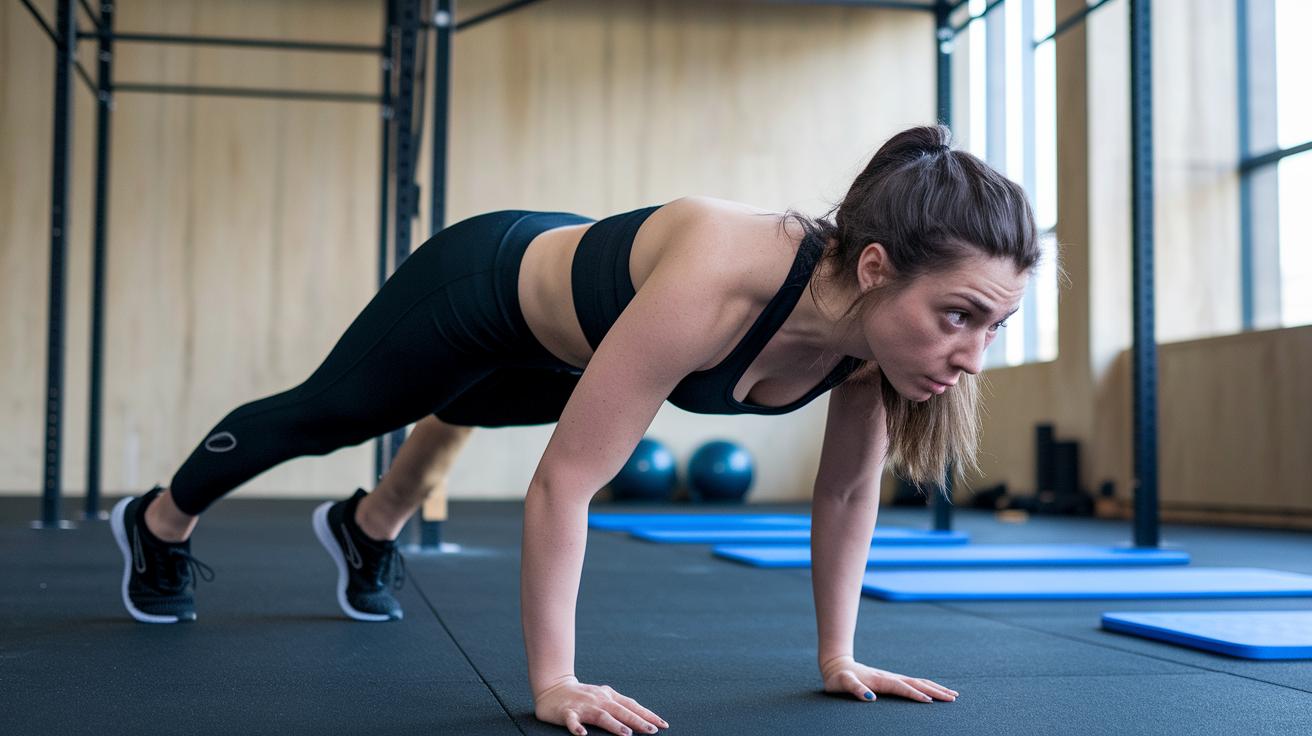
- Mountain Climbers – Get into a strong plank position and alternate bringing your knees in while keeping your hips low. Try working for 30 seconds followed by a 15-second rest. If things feel too fast, ease the pace; if you’re up for it, aim for quicker movements.
- Jump Squats – Lower into a squat and jump smoothly, making sure your knees don’t go past your toes. Work for 30 seconds and rest for 15. Beginners might stick to simple squats, while advanced athletes can add an explosive jump to feel that extra burst.
- Plank Jacks – Hold a solid plank with a strong core and stable back. Do 30 seconds on, then rest 15 seconds. If you’re starting out, you can step your feet out one at a time instead of jumping.
- Sprint in Place – Stand tall and lift your knees high as you move quickly in place. Push hard for 30 seconds, then rest for 15. It’s a great way to feel the rush of adrenaline!
- Squat Thrusts – Transition smoothly from a squat into a plank and back again. Keep the same 30-seconds work followed by a 15-second break. Beginners should slow things down until they feel comfortable.
- Tuck Jumps – Jump while pulling your knees up and focus on landing softly. Stick to 30 seconds of effort, then rest for 15. If you’re new, try stepping in and out instead.
Rotating through these moves in a full-body circuit means you work several muscle groups at once. It’s like a balanced routine that builds strength and endurance while keeping the workout engaging and fun, a perfect way to burn fat and feel energized.
Structuring Bodyweight Interval Routines for Effective HIIT Training

Bodyweight workouts are a fantastic way to keep in shape at home because you don’t need any extra equipment. They let you move naturally using your own body, and you can easily tailor the moves to fit your current strength level. Imagine powering through a 20-minute session where you push yourself for 30 to 45 seconds, then take a quick breather for 15 to 30 seconds. This rhythm pushes your body, keeps your heart pumping, and makes your muscles work hard while you enjoy each move. And the best part? You can start right away without the hassle of getting to a gym.
| Exercise | Work | Rest | Rounds |
|---|---|---|---|
| Push-Ups | 40s | 20s | 4 |
| Squat Jumps | 35s | 25s | 4 |
| Mountain Climbers | 30s | 30s | 4 |
| Plank to Push-Up | 30s | 30s | 4 |
| Alternating Lunges | 40s | 20s | 4 |
As you progress, you can easily ramp up your intensity by adding more repetitions or shortening the rest periods. Try to limit your workouts to three sessions a week so your body gets enough time to recover and grow stronger. And if you’re looking for extra inspiration and a clear plan, check out our free calisthenics workout plan. It's a great way to dive even deeper into your fitness journey, all while feeling energized and motivated.
Cardio Circuit Training Drills to Ignite Calorie Incineration
Start off with drills that quickly get your heart pumping, and remember, you can always adjust them so they feel right for you. This circuit is built on high-intensity interval training (HIIT, which means short bursts of fast activity followed by rest) but with little twists to match your own pace.
For Sprint in Place, stand tall and lift your knees high. Do this fast for 30 seconds, then take a 15-second break. If you’re just starting out, you can try a shorter burst or slow it down a bit. It’s like easing into a nice, brisk walk before that happy sprint.
Next, try Skater Jumps. Jump side-to-side for 20 seconds and rest for 10 seconds. If jumping feels too much right now, simply step from side to side, giving yourself a gentle push off. This simple change still works your hips and legs while keeping your joints safe.
Then come Mountain Climbers. Begin in a solid plank position and quickly drive each knee toward your chest for 40 seconds, followed by a 20-second break. If you need more control, slow your pace a bit to make sure you keep a strong form while still working your core and shoulders well.
Finally, tackle the Burpee Blitz. Do a full burpee that includes a jump and quickly switch into a plank for 20 seconds, then rest for 20 seconds. If a full movement seems too challenging at first, break it down by stepping back into the plank instead of jumping, and slowly add in a gentle jump over time.
Keep an eye on your heart rate as you move through the circuit so you can adjust the intensity to what feels best for you. Enjoy each movement and let your body guide you!
Integrating Dumbbell Power Reps for Resistance-Based HIIT

Using a pair of light-to-moderate dumbbells (about 8 to 15 lbs) during your HIIT session can really light up your calorie burn while also building strength and endurance. A few smart moves while exercising can lift your energy, speed up your metabolism, and add a fun, resistance twist that torches calories.
Dumbbell Thrusters
Try a smooth move that blends a squat with an overhead shoulder press. Aim for 12 easy reps, then take a 30-second break. Keep your back straight during the squat, and push up with steady, controlled energy.
Renegade Rows
Start out in a strong plank position, and alternate rowing the dumbbells with each side. Do 10 reps per side, then take a quick 30-second rest. Make sure your hips stay stable to support your core and protect your lower back.
Squat-to-Press
Imagine doing a goblet squat and finishing with a shoulder press in one fluid move. Go for 12 steady reps and pause for 30 seconds afterward. It helps to keep the dumbbell close to your chest during the squat to maintain good form.
Push-Press
Focus on a dip-drive-press move that feels explosive yet controlled. Do 10 reps and then rest for 30 seconds. Using a slight dip of your legs gives that extra boost to push the dumbbell up powerfully.
Select a weight that feels challenging yet lets you keep each rep steady and controlled. Enjoy your workout and celebrate each step of your progress!
Dynamic Plyometric Jump Sequences for Explosive Power
Plyometric training is a powerful way to boost your workouts. It taps into your fast-twitch muscle fibers (the ones that help you move quickly) so your body keeps burning energy long after you finish exercising. In simple terms, these quick, explosive moves not only build power but also improve your agility and athletic skills. Think of it as lighting a fire under your muscles to get the most out of each session.
Picture yourself doing a couple of explosive moves one after the other. Start with tuck jumps, move on to box jumps, and then try some lateral bounds. Aim to work hard for about 20 to 30 seconds on each drill, with a quick 15-second break between sets. With every jump, focus on landing softly by bending your knees just a bit to protect your joints. For example, during tuck jumps, pull your knees toward your chest while in the air, then land gently to keep the strain off your legs.
Keep your plyometric workouts safe by choosing the right gear. A plyo box (a sturdy platform) of moderate height is great for many skill levels, and using a shock-absorbing surface like rubber mats can help cushion your landings. As you grow stronger, slowly add more sets while always keeping an eye on your form. This way, you build strength safely and benefit most from every jump.
Crafting Intensity Ramp and Recovery Protocols in HIIT Sessions
When you jump into your HIIT sessions, start by really tuning in to how your body feels. Listen closely to your breathing, notice if your muscles feel tired, and check your heart rate. If you're gasping for air or your muscles are screaming a bit, it might be a sign to ease up for a moment. For instance, if your breathing becomes too heavy, try shortening the work phase until everything feels balanced and your movements are steady.
Consider setting up a six-week plan to gradually boost your effort and ease off on breaks. For the first two weeks, try working hard for 30 seconds and resting for 30 seconds. Then, in Weeks 3 and 4, push yourself a little more with 35 seconds on and 25 seconds off. Finally, in Weeks 5 and 6, challenge your endurance with 40 seconds of work followed by 20 seconds of rest. Keeping up with sessions three times a week can help you progress safely without overdoing it.
After each session, make sure to give your body some gentle care. A light walk or a slow bike ride can help shake off any build-up of lactic acid (the compound that can make your muscles feel sore after exercise) and keep your muscles moving smoothly. Following up with a bit of foam rolling or some light stretching can boost your circulation and help your muscles recover. These recovery steps not only nurture your body but also set you up perfectly for the next round of HIIT challenges.
Advanced HIIT Variations for Fat Loss Pulses
Advanced HIIT workouts get your metabolism fired up by pushing your body to work at its absolute best. These short, intense bursts not only torch calories during the session but keep your system burning fat long after you've finished.
Man-makers are an all-in-one move that mixes a dumbbell burpee, a rowing action, and a pressing step. Keep a flat back during the burpee, row with care to keep your form steady, and finish with a smooth press. And if you try single-leg burpees, you'll notice how they challenge your balance and core strength even more.
Kettlebell swings done in 20 to 30-second bursts help work your glutes and shoulders, while weighted jump squats, performed for about 15 to 20 reps, boost your lower-body power in an explosive way. Focus on moving smoothly and landing softly to give your joints a break.
Mix these exercises into your weekly routine by alternating those high-intensity sessions with proper recovery days. Rotate between man-makers, single-leg burpees, kettlebell swings, and weighted jump squats to keep your workouts fresh and balanced.
Final Words
In the action, our discussion broke down the most effective moves, from bodyweight interval routines to resistance-based drills and explosive plyometric sequences. We shared how to build power with exercises for hiit workouts while balancing active recovery and intensity ramping. The guidance on scaling difficulty and trying advanced fat loss pulses blends variety with safety, giving you practical ways to boost strength and endurance. Embrace these well-rounded moves and enjoy the extra energy, knowing you're taking smart steps toward a balanced, healthy lifestyle.
FAQ
What does a HIIT workout plan PDF include?
The HIIT workout plan PDF includes a clear set of exercises, work and rest intervals, and tips for modifying routines. It guides you toward short, intense efforts designed to boost metabolism and calorie burn.
What are good HIIT exercises and what counts as a HIIT workout?
Good HIIT exercises, like burpees and jump squats, alternate brief bursts of maximum effort with short rest intervals. These routines count as HIIT when they spike your heart rate and improve stamina.
Which HIIT workouts work well at home without equipment?
HIIT workouts at home use bodyweight moves such as high knees, mountain climbers, and plank jacks. These exercises require no equipment, making them simple yet effective wherever you are.
What HIIT exercises are suitable for beginners?
HIIT exercises for beginners include modified burpees and easier-paced mountain climbers. These moves help build proper form and confidence, with beginner-friendly routines available for smooth progress.
How do HIIT exercises boost weight loss?
HIIT exercises boost weight loss by firing up calorie burn with rapid, intense movements followed by short recovery periods. This method also increases metabolism, helping you burn fat more efficiently.
Is 20 minutes of HIIT per day enough?
A 20-minute HIIT session can provide substantial benefits, burning 150–400 calories depending on effort. This efficient format fits busy schedules and still offers improved fitness and metabolic conditioning.
What form of HIIT is most effective?
The most effective form of HIIT mixes full-body and cardio drills with proper work/rest ratios. This balanced approach maximizes intensity, promoting strength, endurance, and efficient calorie burning.

