
Ever wished your sore muscles could get a little break right after a workout? TENS machines (small devices that send tiny electrical pulses) might be just the fix you need. Imagine feeling a gentle tingle that eases your muscle tension and boosts blood flow, almost like a mini massage when you need it most. In this post, we'll share how these gadgets give you fast, drug-free relief so you can get back to what you love without missing a beat.
How TENS Machines Aid Post-Exercise Muscle Recovery
TENS machines, sometimes called tens devices for muscle recovery, are a safe, drug-free way to ease soreness after your workout. They work by sending tiny electrical pulses (little shocks) through patches on your skin. These gentle pulses help block pain signals and get more blood flowing to tired muscles so they can get oxygen and nutrients faster.
This handy device is perfect for quick relief right after exercise. You can adjust the settings to find just the right intensity that feels comfortable. Did you know many athletes say they feel an almost instant, soothing tingle that eases their muscle tension in just a few minutes? It’s a simple way to help manage that muscle soreness (DOMS, or delayed onset muscle soreness, which usually kicks in a day or two after exercise).
Some models even mix TENS with EMS (electrical muscle stimulation, which gently makes muscles contract and relax) to not only block pain but also boost blood flow further. This dual action helps ease soreness while also giving your muscles a little extra support, something many physical therapists suggest so you can get back to your training sooner.
And the best part? With loads of five-star reviews and a 100-day money-back guarantee, trying one feels like a smart, risk-free way to support your recovery. It really helps make bouncing back from a hard workout feel a bit easier and more comfortable.
Clinical Evidence and Benefits of TENS for Muscle Repair
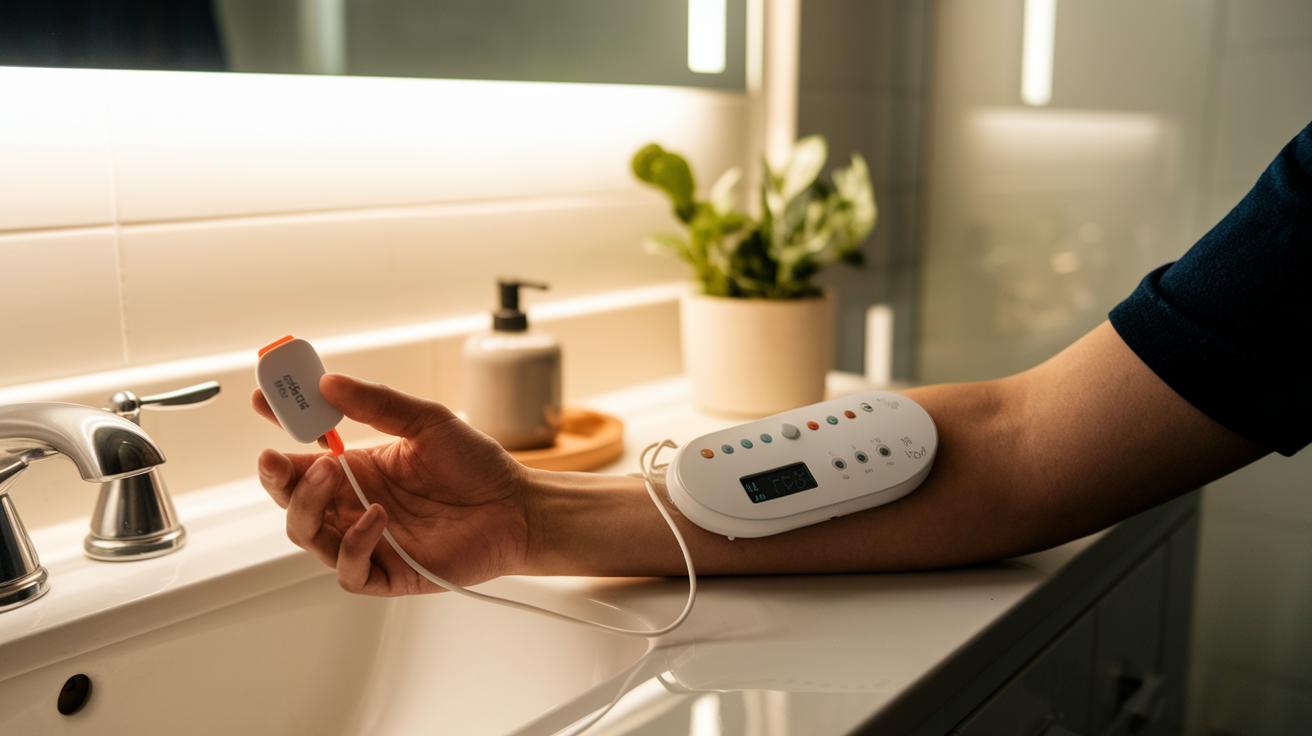
Studies suggest that TENS (transcutaneous electrical nerve stimulation) therapy can help lower swelling and warm up the skin, both of which support muscle recovery. It creates a gentle warming feeling that may speed up the healing of nerves, tendons, and tissues. Just imagine a subtle, warm pulse boosting blood flow and delivering extra oxygen to tired muscles right after a workout.
Physical therapists often set up TENS treatments to match each person’s needs. They adjust the strength and timing of the electrical pulses so the right muscles get the attention they need. This personalized approach has earned TENS its place as a trusted recovery tool.
Experts have also noticed that TENS can offer quick relief for pain from conditions like fibromyalgia (a condition that causes widespread pain). Many patients report a real drop in discomfort, which not only eases physical pain but also brightens their mood, making everyday activities a little more enjoyable. Some studies even hint that using TENS can boost overall mood by lessening persistent, low-level pain.
In sports rehabilitation, portable TENS devices are becoming a favored companion for muscle healing. More and more, physical therapists recommend TENS as a key part of restoring strength and keeping you active.
Comparing TENS Machines with Other Recovery Techniques
When you compare recovery options, TENS machines take a fresh approach. Ice baths, for example, cool your muscles and curb swelling, while massages and foam rolling boost blood flow and ease tight spots. But none of these directly block pain signals like TENS does.
TENS uses a gentle electrical current sent through small pads on your skin. This current stops pain messages from reaching your brain. On the other hand, EMS devices (electrical muscle stimulation, which makes muscles contract to improve blood flow and tone) work by triggering muscle contractions. So, whereas EMS is more about building muscle, TENS is designed for quick pain relief.
You might also come across other techniques like IFC (interferential current, which uses four pads to create a complex pattern of stimulation), iontophoresis (a method that helps move medicine through the skin), Russian stimulation, or high-voltage galvanic current (HVGC). Even though these methods may support recovery, they usually require longer sessions or expert supervision.
What really sets TENS apart is its simplicity and affordability. It comes with a quick setup that fits well into a hectic schedule, making pain relief feel effortless. With modern digital improvements, TENS is becoming even more user-friendly, helping you easily add a little extra comfort to your everyday routine.
Key Features of TENS Devices for Effective Muscle Restoration
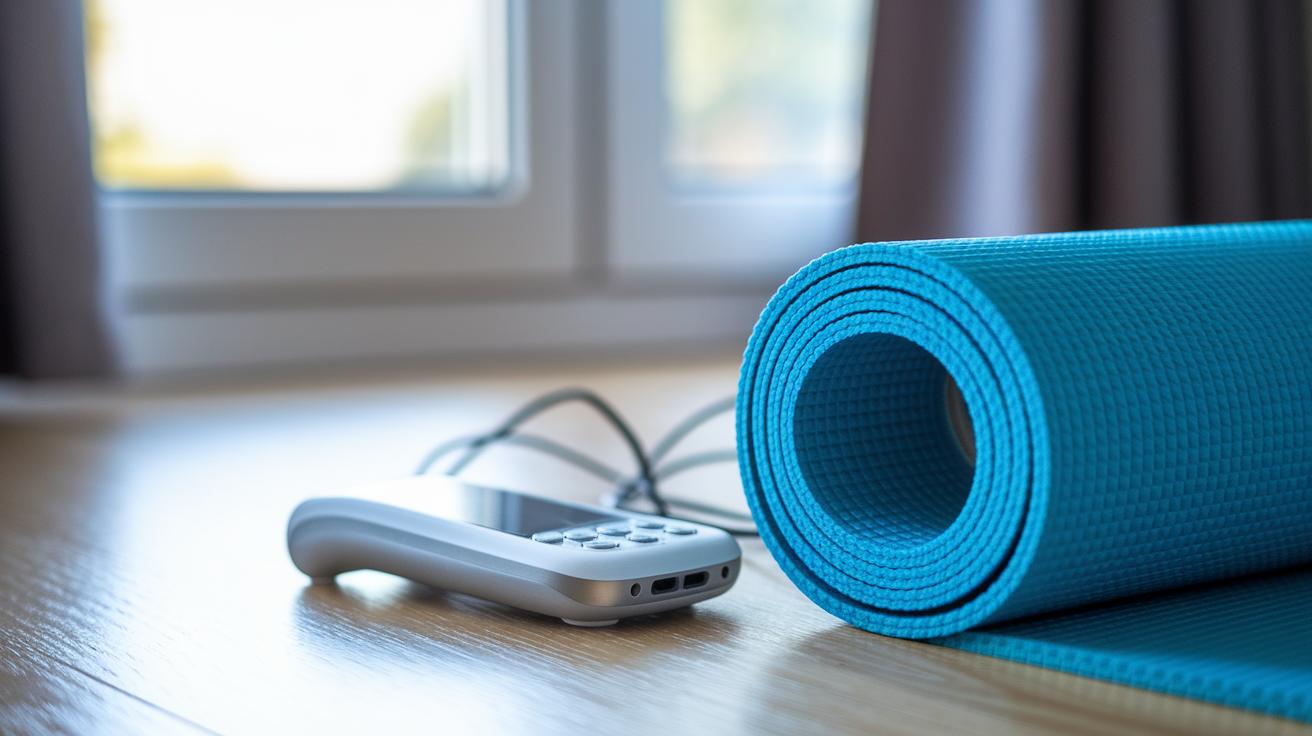
Today’s TENS devices (transcutaneous electrical nerve stimulation, which sends gentle pulses to help with pain relief) are designed to make easing muscle soreness feel straightforward and smart. They let you adjust the pulse strength so you can set it just right, kind of like turning the volume on your favorite tune. Plus, many of them work in two ways, combining TENS and EMS (electrical muscle stimulation, which uses small pulses to contract muscles) to both help block pain signals and boost blood circulation for quicker muscle repair.
Most devices come with a mix of ready-made settings and the option to tweak the pulse control yourself. You can choose a mode for steady pain relief or dial into one that targets muscle recovery more directly. With a clear digital screen to show the settings and a long battery life for use both at home and at the gym, these gadgets are all about keeping things simple and effective. Their wireless, wearable design means you can move freely without losing any comfort, just check out the trusted insights from wearable tech for health.
For the best results, be sure to follow the guidelines for placing the electrodes. Stick the pads on clean, dry skin right over the muscles you want to help, and you’re all set to enjoy a more comfortable recovery.
Step-by-Step Guide to Using a TENS Machine for Muscle Recovery
Before starting, make sure your skin is clean and dry. Just like prepping a canvas before painting, gently place the electrodes on the sore muscle area.
Now, securely attach the pads to your TENS unit. It’s a good idea to double-check the wires, following your device’s manual, so nothing disrupts your session.
Pick the setting that fits your need. One setting is designed for fast pain relief, while the other boosts circulation (that means increasing blood flow to help your muscles get oxygen and nutrients). This way, you know your muscles are getting the right kind of support.
Slowly increase the intensity until you feel a light, comfortable tingle. It should feel pleasant, like a gentle nudge from your nerves saying, “All is well.”
Keep your session running for about 20 to 30 minutes, and you can repeat it up to twice a day. Regular sessions help ease muscle soreness after a hard workout by encouraging a natural flow of oxygen and nutrients.
After you finish, power off the device, carefully remove the pads, and wipe them clean. This little touch keeps everything working smoothly for your next session.
Here’s a handy tip: try using the TENS unit for 10 minutes before your workout. This simple step can boost blood flow and get your muscles warmed up, setting you up for a more comfortable recovery post-exercise.
Safety Precautions and Maintenance for TENS Units
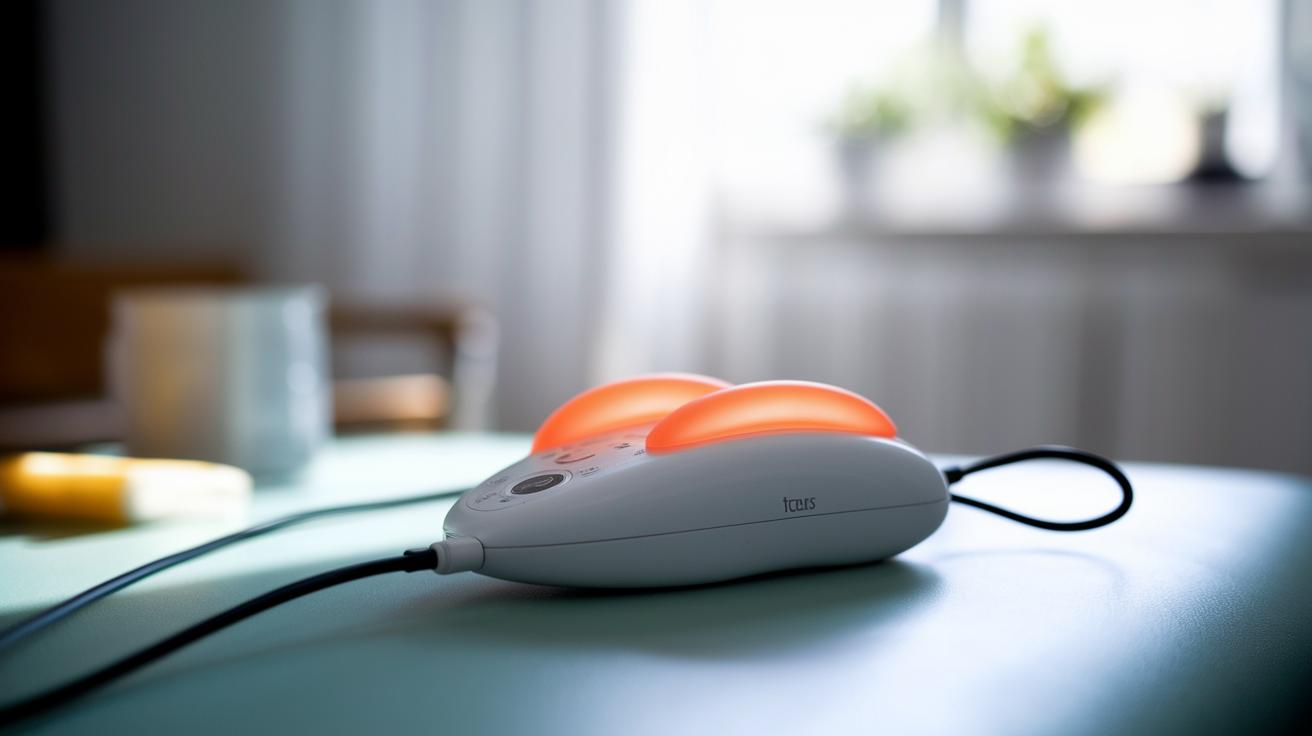
Before you use your TENS unit, make sure the pads sit on skin that's clean, dry, and in good shape. Avoid using it on damaged or irritated skin, near your eyes, or on areas like your head, neck, or over your heart. Start low and simple, if you sense too much tingling, ease off until it feels just gentle enough.
After each session, give both the device and its electrodes a careful wipe-down with a dry cloth. Then, let the pads air-dry completely before you put them away. It’s a good idea to swap out the gel pads every 20–30 sessions to keep everything running smoothly. Also, check the batteries now and then and follow the manufacturer's guidance. These steps help ensure that your handy recovery tool stays both safe and effective, so you can comfortably enjoy its gentle support for easing soreness and encouraging tissue healing over time.
Top TENS Machine Models and Pricing for Muscle Recovery
If you're looking for a device to help soothe sore muscles and boost your recovery, here’s a friendly guide to five top TENS units. These machines, which use tiny electrical pulses to ease pain, offer a range of features like a mix of TENS with EMS (a method that gives muscles an extra nudge), wireless options, and settings you can tailor yourself. Prices vary from about $40 to $200, and you can expect warranty coverage of one to two years along with a 100-day money-back guarantee. Let’s dive into the details!
| Model | Price Range | Key Features | Warranty | User Rating |
|---|---|---|---|---|
| Pain Therapy System 4-Pad | $150–$200 | TENS/EMS combo, dual-mode settings | 1 Year | 4.8/5 |
| SportStim Elite | $170–$200 | Wireless design, pre-programmed recovery modes | 2 Years | 4.7/5 |
| RecoveryPro Wireless | $180–$200 | Custom programs, portable and sleek | 2 Years | 4.9/5 |
| FlexiPulse Duo | $90–$120 | Dual functionality, adjustable intensity | 1 Year | 4.5/5 |
| MuscleRevive Mini | $40–$70 | Compact design, basic TENS features | 1 Year | 4.3/5 |
-
Pain Therapy System 4-Pad
- Pros: This machine mixes TENS with EMS (which uses small electrical pulses to encourage muscle contractions) so you get an extra boost in muscle recovery. Many users love its effective dual settings.
- Cons: Its higher price might be a drawback if you’re watching your budget.
-
SportStim Elite
- Pros: Its wireless design means more freedom of movement, and the pre-set recovery modes make it really easy to use.
- Cons: Some might wish there were even more customizable options for a tailored experience.
-
RecoveryPro Wireless
- Pros: With a top rating, this device offers custom program settings and a sleek, portable design that’s perfect for recovery on the go.
- Cons: The premium price might not be the best fit for every wallet.
-
FlexiPulse Duo
- Pros: Offering dual functions and adjustable intensity at a moderate price, it’s a flexible choice for many users.
- Cons: It has fewer advanced features compared to some of the higher-end models.
-
MuscleRevive Mini
- Pros: This compact and affordable option is great for basic pain relief and quick recovery sessions wherever you are.
- Cons: Its simpler design means fewer features and less room for personalization.
Final Words
In the action, the post explored how TENS machines help ease post-exercise soreness and speed up muscle repair. It walked through practical usage tips, safety steps, and smart device features that make recovery simpler. The article also compared TENS devices with other techniques, highlighting their convenience and affordability. Remember, a tens machine for muscle recovery can be a handy tool in keeping your body strong and flexible. Embrace these insights and enjoy a smoother, stress-free recovery.

