
Have you ever wondered if cooling your muscles might help them bounce back faster? It may sound a bit wild at first, but a quick dip in cool water can ease swelling, speed up repair (the healing process), and even lift your mood.
Imagine this: you soak for about 10 minutes, and your body gets a chance to reset, blood flows better and your nerves calm down. It’s like a mini-reboot for your muscles after a tough workout.
Ever felt that refreshing chill and relief after a cool soak? It might be just what you need to feel renewed and ready to take on more of your day. Stick around to see why an ice bath could help you renew and thrive.
How Ice Baths Promote Muscle Recovery
Ice baths are a cool way to help your muscles recover after a tough workout. You simply submerge yourself in water chilled to about 15°C (around 60°F) for roughly 10 minutes. It might sound a bit shocking at first, but keeping the dip short is super important to avoid any risks like feeling startled or overly cold.
Once you're in, your body jumps into action. The blood vessels in your muscles narrow (this is called vasoconstriction) to help cut down swelling and fluid buildup. Then, when you get out, those vessels relax quickly (that's vasodilation), letting in fresh, nutrient-filled blood that speeds up repair.
But that’s not all. The cold water also calms your nervous system (it gently activates the part of you that helps you relax), and even boosts that special brown fat (a type of fat that helps generate heat) to give your metabolism a little nudge. A lot of people end up feeling refreshed, sleeping better, and even noticing a sunnier mood. It’s like a natural reset, easing muscle tension while brightening your day and sharpening your focus.
Mechanisms of Muscle Repair in Cold Water Immersion
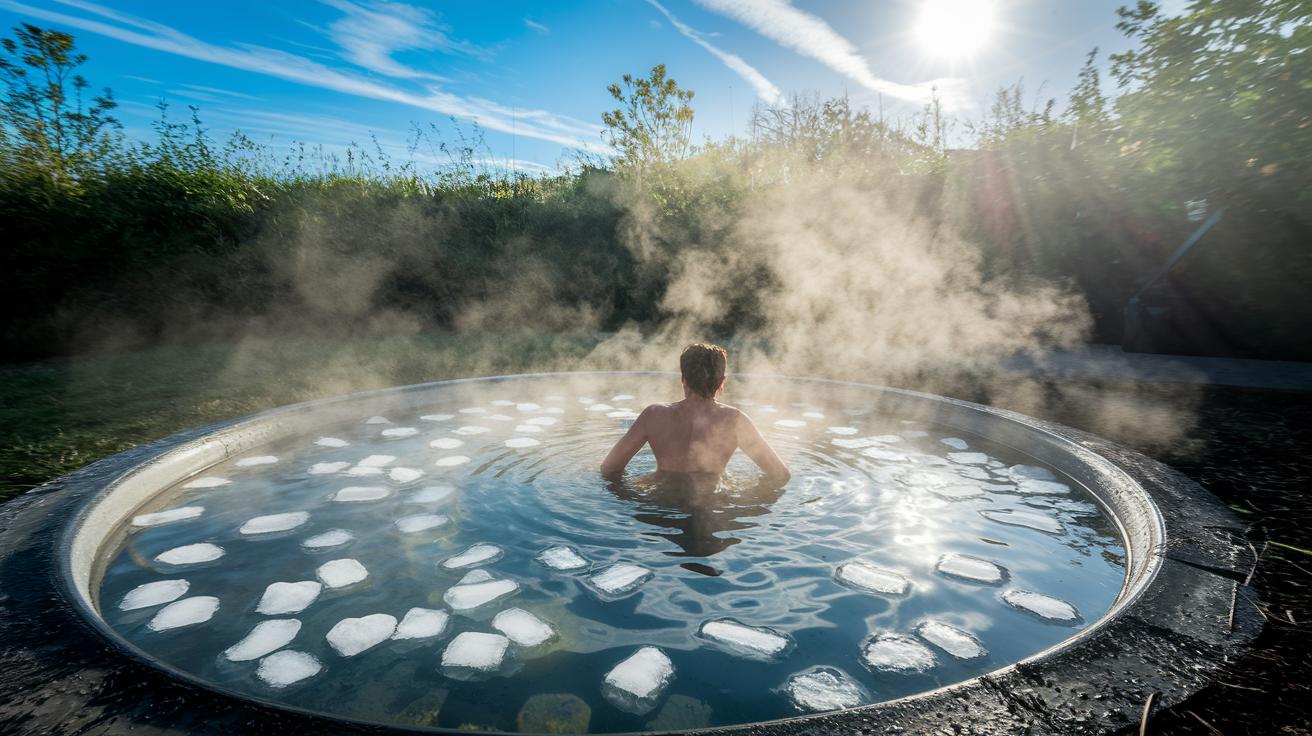
Vasoconstriction and Inflammation Control
Cold water makes your blood vessels tighten (vasoconstriction) so fluids don’t pool and swelling is kept in check during recovery. Research tells us that cooling the body with water around 10°C to 15°C (50 to 60°F) for 5 to 10 minutes helps lower inflammation without stressing your muscles. Think of it like gently squeezing a sponge to let out extra water, leaving it ready to soak up new energy.
Nervous System Activation and Metabolic Boost
Stepping into cool water sends a calming signal to your parasympathetic nervous system (that part of your body that helps you relax), setting the stage for muscles to repair faster by getting nutrients more efficiently during rewarming. During the warming up phase, blood rushes back, which revs up brown fat (a type of fat that burns calories by producing heat) and bumps up your metabolism. Picture a cool wave that pulls back and then returns with fresh energy, washing away fatigue and fueling your recovery.
Key Benefits of Ice Baths for Post-Workout Recovery
Have you ever tried an ice bath after a tough workout? They not only soothe that immediate muscle ache but also help your body recover better over time. In fact, research suggests that athletes who make ice baths a regular habit can see up to a 15% drop in muscle soreness compared to more traditional recovery routines. One study even showed a 15% reduction in discomfort after just a few weeks, hinting at benefits that go far beyond quick relief.
When you step into an ice bath, your body reacts in a pretty unique way. The cold makes your blood vessels tighten and then relax, allowing more oxygen and nutrients to flow into your muscles. This boost helps your muscles repair themselves over time, giving them a better chance to heal properly.
Ice baths also speed up the removal of lactic acid (a substance produced when your muscles work hard) and other byproducts from your body. Studies have found that athletes who use ice baths clear out these leftovers faster, which means they can jump back into training feeling more energized and ready to go.
And it isn’t just about your physical recovery. Regular ice baths can also build mental resilience and lift your mood. Many athletes say they feel calmer and better able to manage stress after a cold bath session. It’s a simple, refreshing way to support both your body and mind on your fitness journey.
Optimal Temperature and Duration Guidelines for Ice Bath Sessions
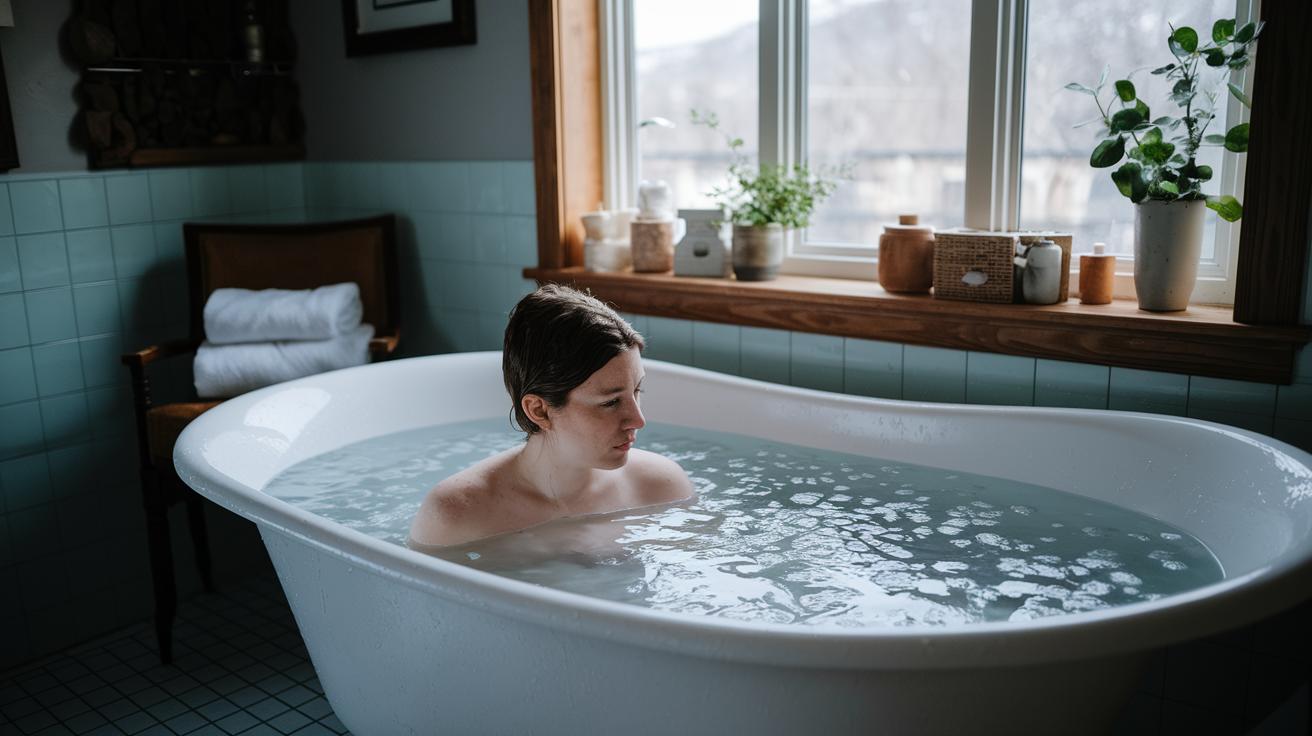
When you take an ice bath, aim for water temperatures between 10°C and 15°C (50°F to 60°F). This chilly setting is just right for giving your muscles a refreshing boost and helping them repair. It cools you down enough to speed up your recovery, without pushing your body into dangerous cold effects.
| Workout Intensity | Temperature Range | Recommended Duration |
|---|---|---|
| Low | 12–15°C (54–60°F) | 10 minutes |
| Moderate | 11–13°C (52–56°F) | 8 minutes |
| High | 10–12°C (50–54°F) | 5–7 minutes |
If you’re just starting out, try an ice bath once a week. As you get more comfortable, you can work up to two or three sessions weekly, especially during times of intense training. This gradual pace helps your muscles build strength and keeps you safe while you enjoy the benefits of a cool recovery.
ice bath for muscle recovery: Renew and Thrive
-
Fill the tub with water and add ice until the mix feels cool at about 10–15 °C (50–60 °F). Use a thermometer to check, like making sure your pie is baked just right before you serve it.
-
Step into the bath slowly over about 30–60 seconds. Taking it easy helps your body adjust to the chill, much like easing into a brisk walk on a cool morning.
-
Keep an eye on the clock and stay in the ice bath for 5–10 minutes. This short time lets you enjoy recovery benefits without feeling overly cold.
-
While you're soaking in the bath, focus on taking slow and steady breaths. This not only helps calm that initial shock but also relaxes your muscles, just like settling into a peaceful moment.
-
When your time is up, carefully step out of the bath and do some light stretching. Don’t forget to hydrate well afterward to boost circulation and help your muscles feel even better.
Potential Risks and Safety Precautions When Using Ice Baths
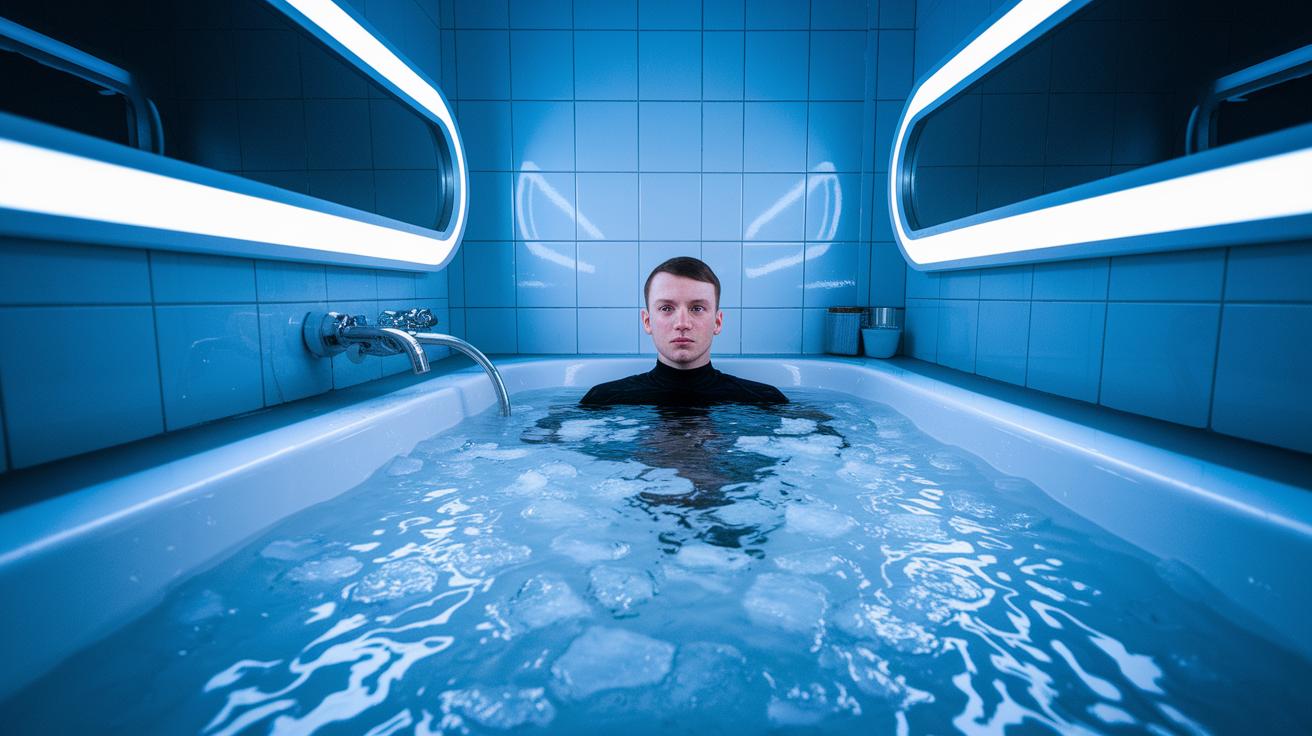
Ice baths can be a great way to help your muscles recover after a tough workout, but you’ve got to approach them with care. Don’t stay in for too long, aim for under 15 minutes, because going over that may lead to hypothermia (a dangerous drop in your body temperature) or stress your heart. Even though the icy water might feel refreshing at first, too much exposure can shock your system, causing dizziness or numbness. Think of these sessions as short, focused bursts of recovery, not a full-on plunge into cold water.
If you have health issues like heart problems, high blood pressure, or poor circulation, be extra cautious. It’s a smart idea to chat with your doctor before trying out ice baths, just to make sure it’s safe for your unique situation. Sometimes even a seemingly helpful recovery tool might not be right if your body is extra sensitive to sudden cold exposure.
To keep your ice bath routine safe, try a few practical tips. Sit down while you’re in the bath to lower the risk of slipping, and if you can, have someone nearby to check in on you. And if you’re not sure ice baths are for you, there are other options. You might try a cold shower, contrast water therapy (switching between warm and cold water), cryotherapy (using extreme cold for recovery), or even light activities like jogging or stretching. These alternatives can give you similar benefits without as much risk.
Equipment and Setup Options for Ice Baths
If you're on a budget or love a good DIY project, starting with an ice-filled bathtub can be a smart choice. Imagine turning your everyday tub into a soothing recovery zone by adding water and ice until it reaches around 10–15°C (that’s about 50–60°F). It’s a simple method that gives you a quick cooling effect without any over-the-top gadgets. Plus, you only need basic tools to set it up, making it an affordable way to help your muscles recover.
Then again, if you’re after something a bit more high-tech, you can choose from premium options too. These include portable tubs with digital thermostats (a device that lets you control temperature precisely). Some of these inflatable cold immersion devices even offer features like built-in drainage and excellent insulation. They’re ideal for anyone, especially athletes, looking for a fast and efficient recovery solution that supports an active lifestyle.
Final Words
In the action, we explored how ice baths promote faster muscle healing through cold water immersion that cools inflammation and helps repair muscles. We reviewed the science behind how cooling therapy works and shared simple steps to safely try an ice bath for muscle recovery.
The post broke down guidelines, benefits, and safe tips that can easily fit into any routine. Every step is designed to boost recovery, leaving you feeling refreshed and ready to keep moving forward.
FAQ
Are ice baths effective for muscle recovery?
The benefit of an ice bath is that it helps reduce inflammation and muscle soreness by triggering blood vessel constriction and subsequent dilation, which improves circulation and speeds recovery after exercise.
What is the recommended duration for an ice bath?
Ice baths are typically used for 5 to 10 minutes. This time frame helps to ease sore muscles while avoiding risks like hypothermia from too long an exposure.
What are the potential risks of using ice baths?
Ice baths can be risky if used for too long, possibly causing hypothermia or stressing the heart. It’s best to stick to recommended durations and consult a healthcare provider if you have concerns.
What benefits do ice baths provide?
Ice baths lower muscle soreness, improve blood flow, clear lactic acid, and even boost mood. These benefits can help you recover faster and return to your workouts with renewed energy.
What have studies shown about ice bath recovery?
Research shows that ice baths reduce inflammation and muscle soreness after exercise, while helping to flush out metabolic waste, which supports faster muscle repair and recovery.
Do ice baths affect muscle growth after workouts?
Ice baths may reduce some growth signals if used too often. When timed properly, they aid in recovery by lessening soreness without significantly hindering muscle development.
How can an ice bath assist with a pulled muscle?
An ice bath can help a pulled muscle by reducing inflammation and numbing pain. This temporary relief reduces swelling, though be sure to get professional advice if the injury is severe.
What does a 3-minute ice bath do for you?
A 3-minute ice bath quickly causes blood vessels to contract, which lessens immediate inflammation. This brief exposure provides a refreshing boost by easing tension and discomfort after exercise.

