
Ever wonder if muscle soreness is really your enemy? When you feel sore after a workout, it's just your muscles rebuilding and getting stronger. It might be uncomfortable, but it doesn't have to stick around.
You can help ease that pain with simple moves like stretching (gently lengthening your muscles), foam rolling (using a roller to massage out tight spots), and drinking plenty of water (keeping your body hydrated so it can heal). This guide walks you through a cool-down routine that helps your muscles relax and feel better fast.
Imagine the soothing relief, like the refreshing breeze on a sunny day, as your body starts to bounce back with strength and comfort.
Effective Sore Muscle Recovery Strategies
When you try out new exercises or add heavier weights, your muscles work hard and experience tiny tears (micro‐tearing, which are just small cuts in the muscle fibers). This may hurt, but it’s also a good sign that your muscles are getting stronger. It’s your body’s way of saying, “I’m working to repair and become more powerful.”
Usually, you’ll feel this soreness about 12 to 24 hours after your workout, with the peak discomfort coming in one to three days. This common reaction is often called delayed onset muscle soreness (it just means your muscles hurt a little later). Accepting this natural process can help you handle the pain without overdoing it.
Below are some simple strategies to help your muscles recover:
| Tip | Description |
|---|---|
| Warm-up | Spend 10–15 minutes doing light cardio and dynamic stretches to wake up your muscles. |
| Cool-down | After exercising, take another 10–15 minutes to stretch gently and let your muscles relax. |
| Balanced Nutrition | Enjoy meals that mix protein, carbs, and healthy fats, like a quinoa bowl with chicken or peanut butter toast with an apple. |
| Hydration | Drink about 8 oz of water every 15 to 30 minutes during exercise, and adjust based on your sweat loss. |
| Stretching | Keep stretching regularly to boost flexibility and ease muscle tightness. |
| Foam Rolling | Spend 10–15 minutes with a foam roller after your workout to improve blood flow and reduce tension. |
| Massage or Topical Rubs | Use gentle massage techniques or topical solutions to temporarily ease soreness. |
| Light Activity | Even low-intensity movement keeps your blood flowing and helps clear out waste from your muscles. |
Even gentle movement helps your body spin out waste products and get your blood flowing. This active recovery makes soreness fade faster, so you can feel ready for your next workout with a bit more pep and ease.
DOMS and Sore Muscle Recovery Timeline
Ever finish a workout that leaves your muscles feeling a bit tender the next day? Usually, that familiar ache (called delayed onset muscle soreness) starts 12 to 24 hours after your workout and is at its worst between one and three days later. It’s like your muscles are reminding you of the effort you put in.
Your age can change how quickly you bounce back. For example, a younger person might feel much better in just a day or two, while older adults could take around three days or even a bit longer to fully recover. Picture it this way: a 22-year-old might shake off the soreness in a couple of days, but someone in their 50s might still be feeling it for a bit longer.
If you start feeling a sharp pain in a specific spot that doesn’t go away after a week, that isn’t normal soreness and could be a sign of an injury. In that case, it might be best to take a break and check in with a professional who can offer some guidance.
Top Nutritional Foods and Supplements for Sore Muscle Recovery
After a tough workout, your muscles can feel sore and swollen. Luckily, anti-inflammatory nutrients (substances that help reduce swelling) give your body a hand in mending small tears and calming muscle irritation. It’s a bit like cooling a hot stove with a refreshing stream of water, helping your body heal more smoothly.
Anti-Inflammatory Foods
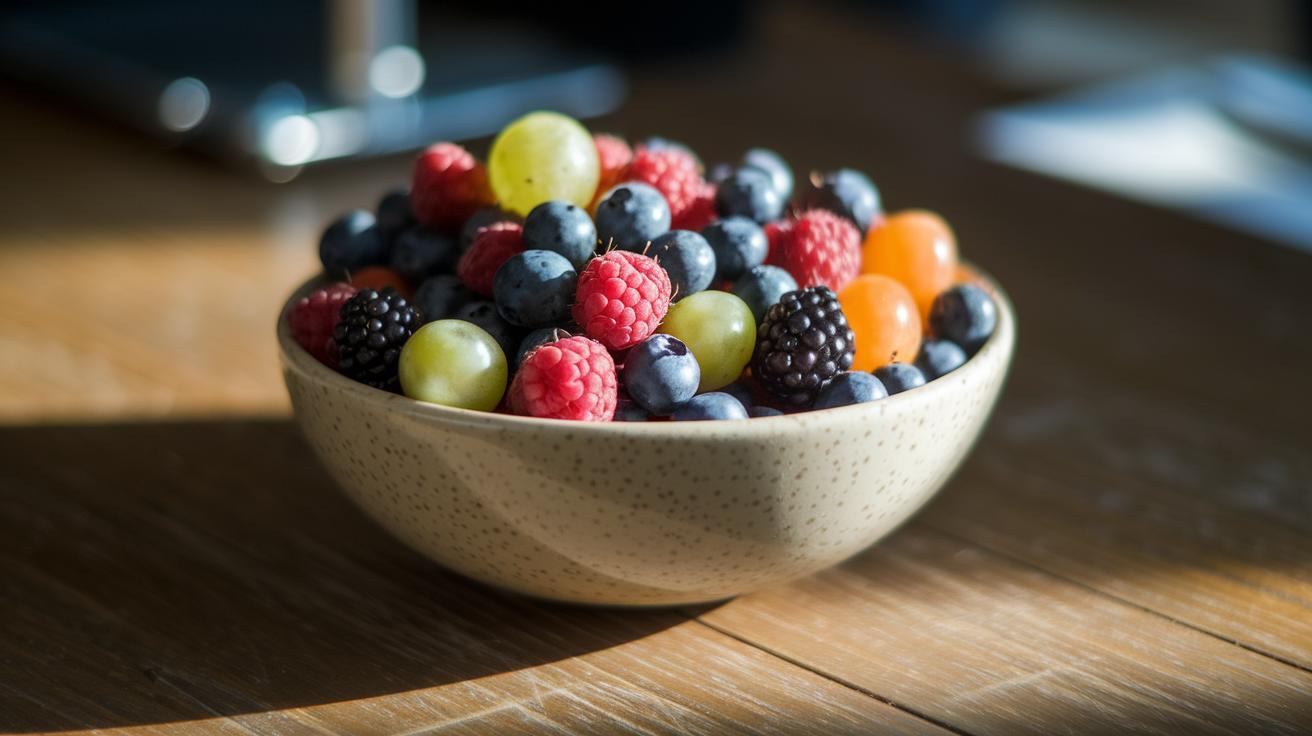
Whole, everyday foods really make a difference. For starters, tomatoes come packed with lycopene, a powerful antioxidant that fights stress in your body. Extra-virgin olive oil is full of healthy fats, and green leafy veggies bring vitamins K and C into the mix to support repair. Nuts add healthy fats and magnesium (a mineral that helps your muscles relax), and fatty fish like salmon or tuna deliver omega-3s (fats that help control inflammation). Plus, berries offer a burst of antioxidants that lessen muscle strain. Imagine mixing a handful of berries into your favorite yogurt, not only is it delicious, but it also supports your recovery.
Key Supplements for DOMS Relief
Supplements can speed up your muscle recovery, too. BCAAs (branched-chain amino acids) help rebuild small tears by boosting muscle protein synthesis. Turmeric introduces curcumin, a natural compound that soothes swollen tissues, while ginger brings gingerol, known for easing mild discomfort. Magnesium supports good muscle function and helps with relaxation. Think of these supplements as handy tools in your recovery kit, ready to support you after a brisk run or a strength training session.
| Food/Supplement | Main Benefit |
|---|---|
| Tomatoes | Lycopene reduces oxidative stress |
| Olive Oil | Monounsaturated fats ease inflammation |
| Green Leafy Veggies | Vitamins K & C support tissue repair |
| Fatty Fish (Salmon/Tuna) | Omega-3 fatty acids control inflammation |
| Berries | Antioxidants combat free radicals |
| BCAAs | Promote muscle protein synthesis |
| Turmeric & Ginger | Curcumin and gingerol provide natural pain relief |
Natural Remedies and Home Solutions for Sore Muscle Recovery
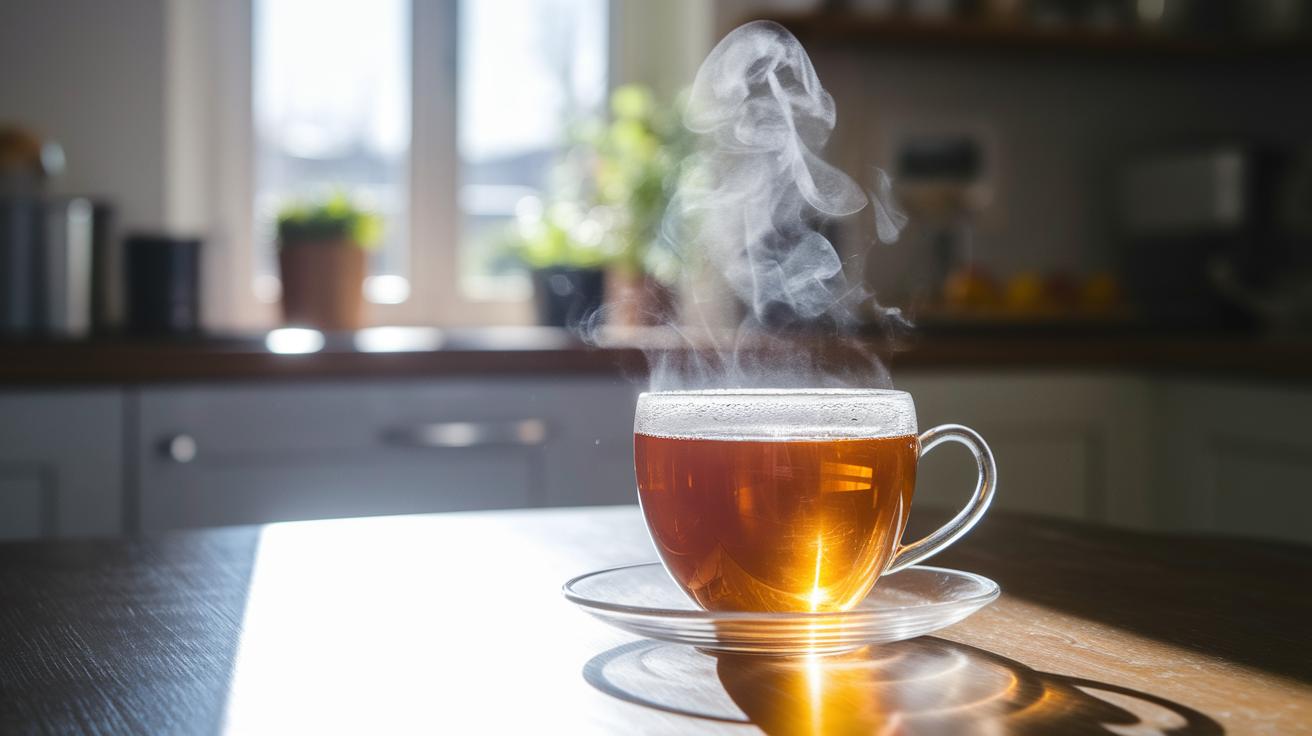
Herbal infusions are a wonderfully simple trick to soothe aching muscles. Sipping a warm cup of chamomile or ginger tea can help you relax and boost blood flow, almost like giving your muscles a gentle, comforting hug. I remember after one intense workout, I brewed a fresh cup of ginger tea and felt a soft warmth spread through my body, lessening the aches in no time.
Another great idea is to make a soothing paste at home. Mix turmeric (a spice celebrated for its calming, anti-inflammatory properties) or ginger extract with a little coconut oil, and you’ve got a natural rub to ease tight spots. Gently massage the paste on sore muscles, much like you’d dab a cool compress on a small bump.
A warm bath with Epsom salt for about 15 minutes can do wonders, too. The magnesium in Epsom salt (a mineral that helps to relax stiff muscles) works alongside warm water to increase blood circulation while washing away exercise-induced waste. After your bath, try a slow swim or some gentle pool aerobics, imagine the water softly nudging away the tension as you move.
If your soreness is only mild, these home remedies might be all the relief you need. But if the pain turns sharper or sticks around longer than expected, it’s a good idea to reach out for professional advice.
Stretching, Foam Rolling, and Self-Massage Techniques for Sore Muscle Recovery
Dynamic stretching means moving while you're engaging your muscles, it literally fires up your body for action and gets the blood flowing. Picture yourself swinging your legs or doing gentle arm circles for about five to ten minutes right before your workout. This active warm-up raises your heart rate and preps your muscles to handle what’s coming next. Later, after you’ve worked out, slowing down with static stretches (that means holding a stretch for 20 to 30 seconds) helps your muscles cool off and improves flexibility. It’s like pausing for a calm moment where your muscles stretch and relax naturally.
Foam rolling is a simple way to ease muscle tension. After exercising, try spending 10 to 15 minutes rolling over your muscles with a cylindrical foam roller (a small, spongy tube used to massage muscles). This technique uses your body weight to gently push out any built-up tightness and waste products, much like a deep tissue massage that refreshes your muscles. Rolling your quads or calves slowly for about a minute each can really boost your circulation and ease stiffness.
Simple self-massage is another handy trick. Use a lacrosse ball or any similarly firm ball to press gently on those particularly tight spots. Spend about one to two minutes on each area, pressing into any knots to relieve stiffness and support healing. When done regularly, these self-massage techniques can lead to quicker relief and a smoother recovery, leaving you ready to take on your next workout with ease.
Ice, Heat, and Contrast Bath Protocols for Sore Muscle Recovery
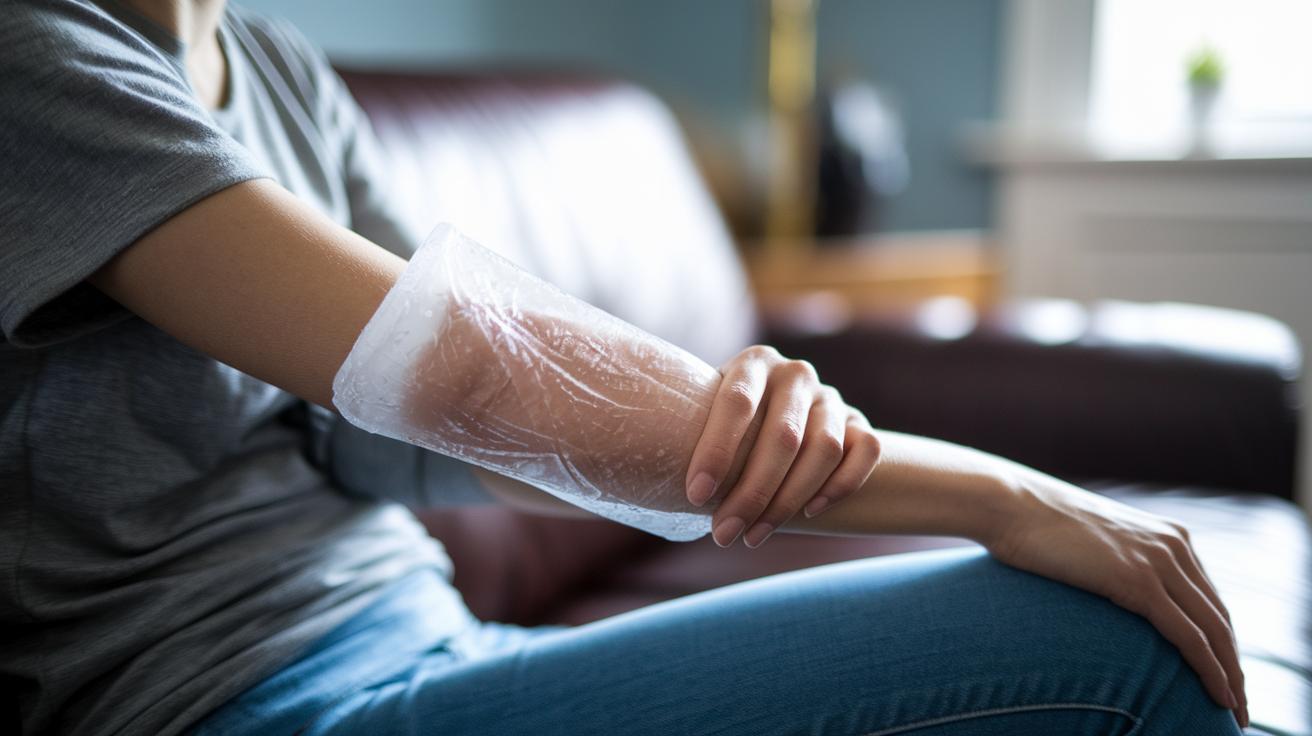
Ice therapy is a quick way to ease pain and calm swelling. After a tough workout, applying an ice pack for about 10 to 15 minutes can help tighten blood vessels and cool down your tired muscles. Imagine placing a cool compress on a minor bruise, it works in a similar way to soothe soreness.
Heat therapy, on the other hand, helps relax your muscles and increases blood flow. Using a warm towel or heating pad for 15 to 20 minutes can soften stiff muscles and relieve tension. It’s like stepping into a cozy room on a cool day, where warmth gently melts away the stress of your workout.
Contrast baths mix the benefits of both ice and heat. This method involves switching between cool and warm water, about 1 to 2 minutes in water around 50°F (cool water) followed by 1 to 2 minutes at 104°F (warm water), repeated for 4 to 6 cycles. This alternating process gets your blood flowing and helps wash away exercise-induced waste. Think of it as a refreshing journey for your muscles, where each change in temperature gives them a little extra boost toward recovery.
Depending on how your body feels, you might choose one method over the other. If you have mild soreness, a simple ice or heat treatment might do the trick. But if your muscles feel really tight, the lively switch between cool and warm with contrast baths can work wonders.
Hydration and Sleep Strategies to Support Sore Muscle Recovery
Staying hydrated during a workout is super important to carry vital nutrients to your muscles. Sipping about 8 oz of water every 15 to 30 minutes helps your body keep a healthy amount of blood that carries oxygen and vitamins (basic building blocks for recovery) to repair tiny muscle tears. Imagine enjoying a refreshing drink on your brisk walk; it’s a simple way to keep your cells happy and strong.
Sleep is like a repair shop for your body. Getting 7 to 9 hours of sleep each night lets you enter deep sleep, which releases helpful growth hormones (natural chemicals that help muscles rebuild). When you're in deep sleep, your cells work hard to fix tissues, clear out unwanted toxins, and calm inflammation. It’s like your muscles are receiving a thorough tune-up as you rest.
Even on rest days, a light walk or a simple yoga session can help keep your blood flowing gently. These easy activities help clear out waste and can lessen the soreness after a hard workout. When you move lightly on your day off, you give your muscles a chance to recover steadily while staying connected to your body’s natural healing process.
Cooldown and Active Recovery Routines for Faster Sore Muscle Recovery
After a workout, taking time to cool down is a simple but essential step. Spend about 10 to 15 minutes doing some light cardio, like a gentle jog or a brisk walk, and follow it up with some static stretching (that means holding each stretch for around 20 to 30 seconds). This practice helps your heart rate settle and keeps fluids moving through your muscles, which can reduce cramping. It’s like treating your muscles to a calm, relaxing finish after pushing hard.
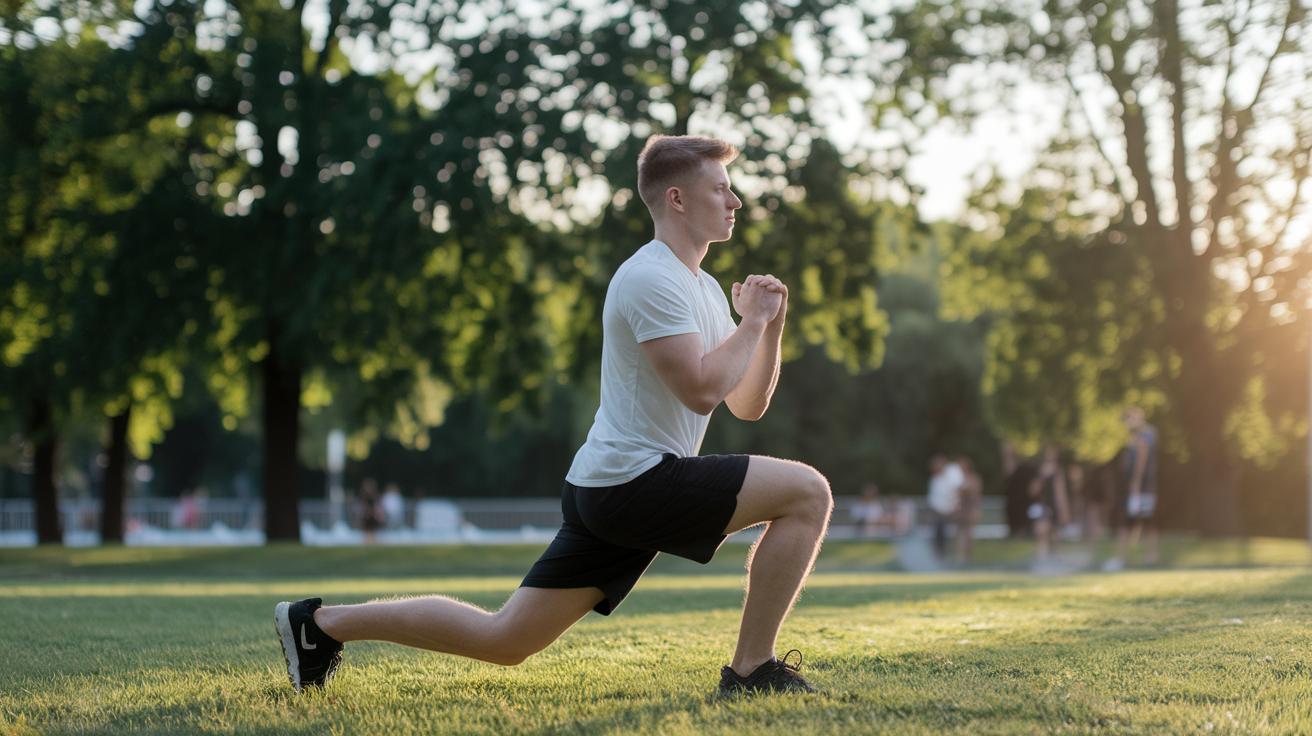
Imagine trying an active recovery circuit with just four easy body-weight moves to keep your blood flowing without overdoing it. First, do some lunges to open up your hips and legs. Next, try hip hinges, which gently release tension in your lower back and boost your mobility. Then, flow into a few easy yoga moves, such as a modified sun salutation, to stretch your whole body while keeping your muscles engaged. Finally, finish with low-intensity body-weight squats to help circulation clear out waste from tired muscles. Doing each of these for about 30 seconds in a circuit keeps your heart steady and supports muscle recovery.
If your soreness is only a light reminder and you still feel energized, active recovery can be a smart way to keep your body moving. But if you’re feeling really drained or the pain gets sharp, it might be best to give your body a full rest.
Preventing Overexertion and Monitoring Sore Muscle Recovery Progress
Sticking to the 10% rule can really help keep your workouts safe. When you add a new move or up your weights, try only boosting your effort by around 10% each week. This small change gives your muscles a chance to adjust without getting overwhelmed. It’s wild to think that just a tiny increase, like by 10%, can be the line between steady progress and sudden strain.
Using a simple 0-to-10 soreness scale can guide you nicely after those intense workouts. Jot down your soreness level each day in a training notebook and note any surprising feelings. Maybe you find that your muscles usually feel like a 6 out of 10, but one day they hit a sharp 7. This little habit helps you catch trends and see when your body might need a little extra time to bounce back.
If you notice that you’re consistently scoring above a 7 or you feel a sharp, focused pain that just won’t quit, it’s a good idea to rest up. In these moments, taking a break or even chatting with a professional can be the smart move to keep you on track and injury-free.
Final Words
In the action, we explored how micro-tearing and DOMS set the stage for proper recovery. We covered warm-ups, cooldowns, balanced meals, hydration, stretching, foam rolling, and gentle activities that support effective sore muscle recovery.
Each method helps clear waste and reduces pain while keeping you active and mindful. Keep experimenting with these strategies and listen to your body. Every small step brings you closer to feeling stronger, healthier, and more energized.
FAQ
How can I get rid of sore muscles overnight?
The way to get rid of sore muscles overnight is by using gentle stretching, a warm Epsom salt bath or heating pad, proper hydration, and enough rest to help muscles relax and recover.
How do I recover sore muscles faster after a workout?
The method to recover sore muscles faster includes a proper warm-up and cool-down, balanced meals rich in protein and healthy carbs, hydration, light stretching, and active recovery to boost circulation and repair.
What supplements or natural remedies help with muscle recovery?
The compounds that aid muscle recovery are BCAAs, turmeric, ginger, and magnesium. These supplements help promote muscle repair and reduce inflammation when paired with a balanced diet and proper rest.
What is the best pain reliever for sore muscles after a workout?
The best pain reliever for sore muscles often involves nonsteroidal anti-inflammatory drugs like ibuprofen, along with topical remedies containing turmeric or ginger extracts that ease discomfort and reduce swelling.
How do I relieve sore muscles in my legs?
The method to ease sore leg muscles involves targeted stretching, foam rolling, light walking, and gentle leg massages that improve circulation and decrease muscle tension.
What causes poor muscle recovery?
The factors that lead to poor muscle recovery include dehydration, unbalanced nutrition, skipping warm-up or cool-down routines, and overtraining without enough rest, all of which can slow down the healing process.
How does muscle recovery time vary by age?
The recovery time differs by age; younger individuals may heal in 24–48 hours, while older adults often take up to 72 hours or more due to naturally slower repair rates.
How long does it usually take to recover from a sore muscle?
The general recovery period for sore muscles is typically 1 to 3 days, though variations in exercise intensity, fitness levels, and age can influence this timeline.
How can I tell if my pain is muscular?
The way to tell if pain is muscular is to note if it feels like deep tightness or tenderness that peaks a day or two after exercise and gradually improves with rest and gentle movement.

